
Becoming a professional photographer is an exciting time, although it can be daunting if you have no idea which steps to take.
In this guide, I’m going to give you a complete breakdown of how to become a professional photographer, making the process of starting your career in photography feel a little bit less overwhelming.

Choose a photography niche (or two)
You may enjoy lots of different photography genres, and I’m all for that when it comes to taking photos for pleasure.
For business, however, it is much harder to make a career out of all of them at once. So professionally, it’s better to stick to a specific niche or two.
Plus, take it from someone who takes on too many projects, you can dilute your efforts if you’re trying to make money from too many different things at the same time.
A client may be more inclined to book you if you specialise in what you do.
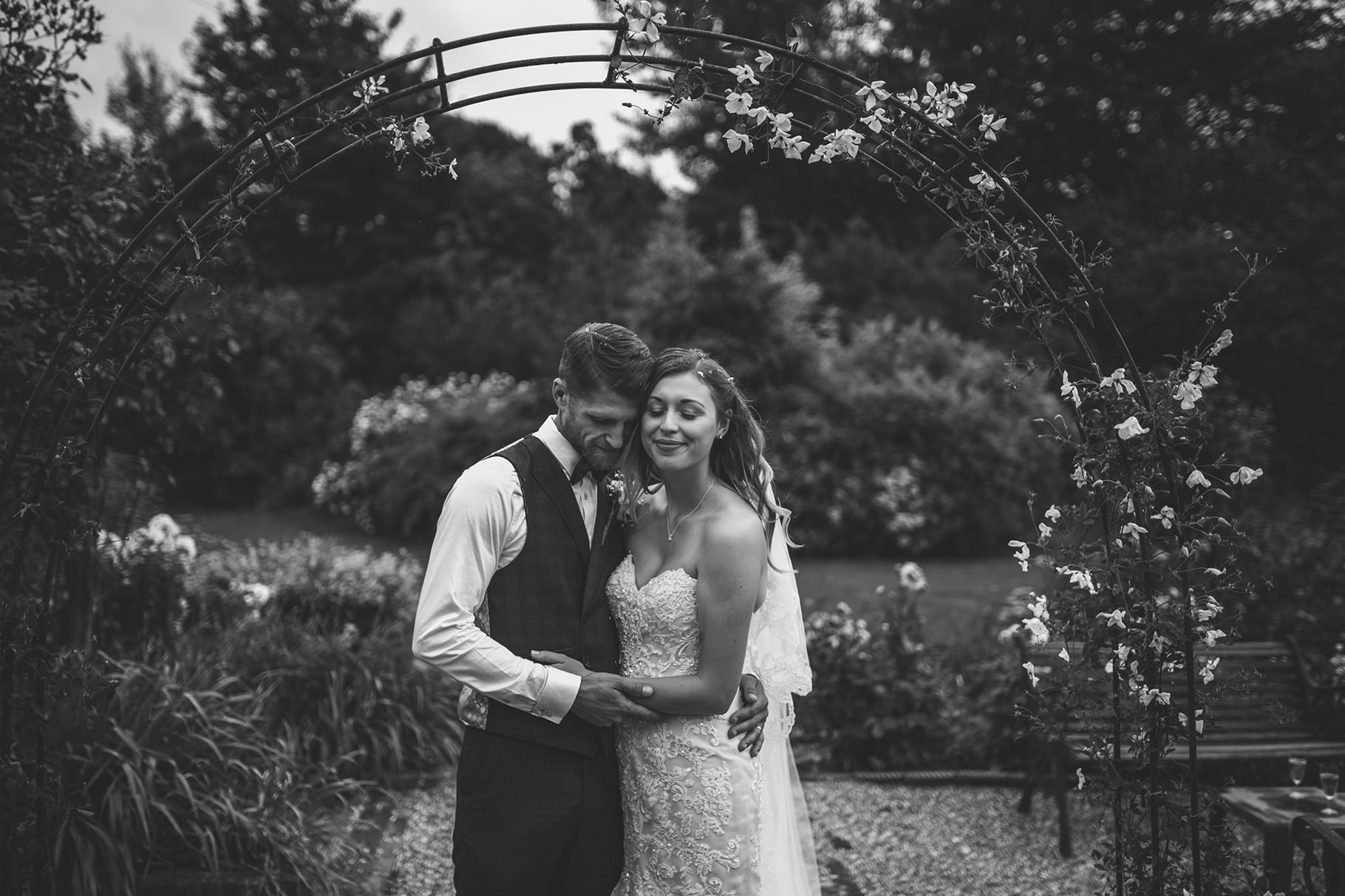
For example, a fashion brand will not often want to hire someone who isn’t specialising as a fashion photographer, and a wedding couple might prefer to entrust their hard-earned money with a wedding photographer, rather than someone who does a bit of this and a bit of that.
Examples of photography careers:
- Wedding photography
- Commercial photography
- Family
- Pet
- Food
- Wildlife
- Street
- Fine art
- Landscape
- Photojournalist etc.
Improve your skills
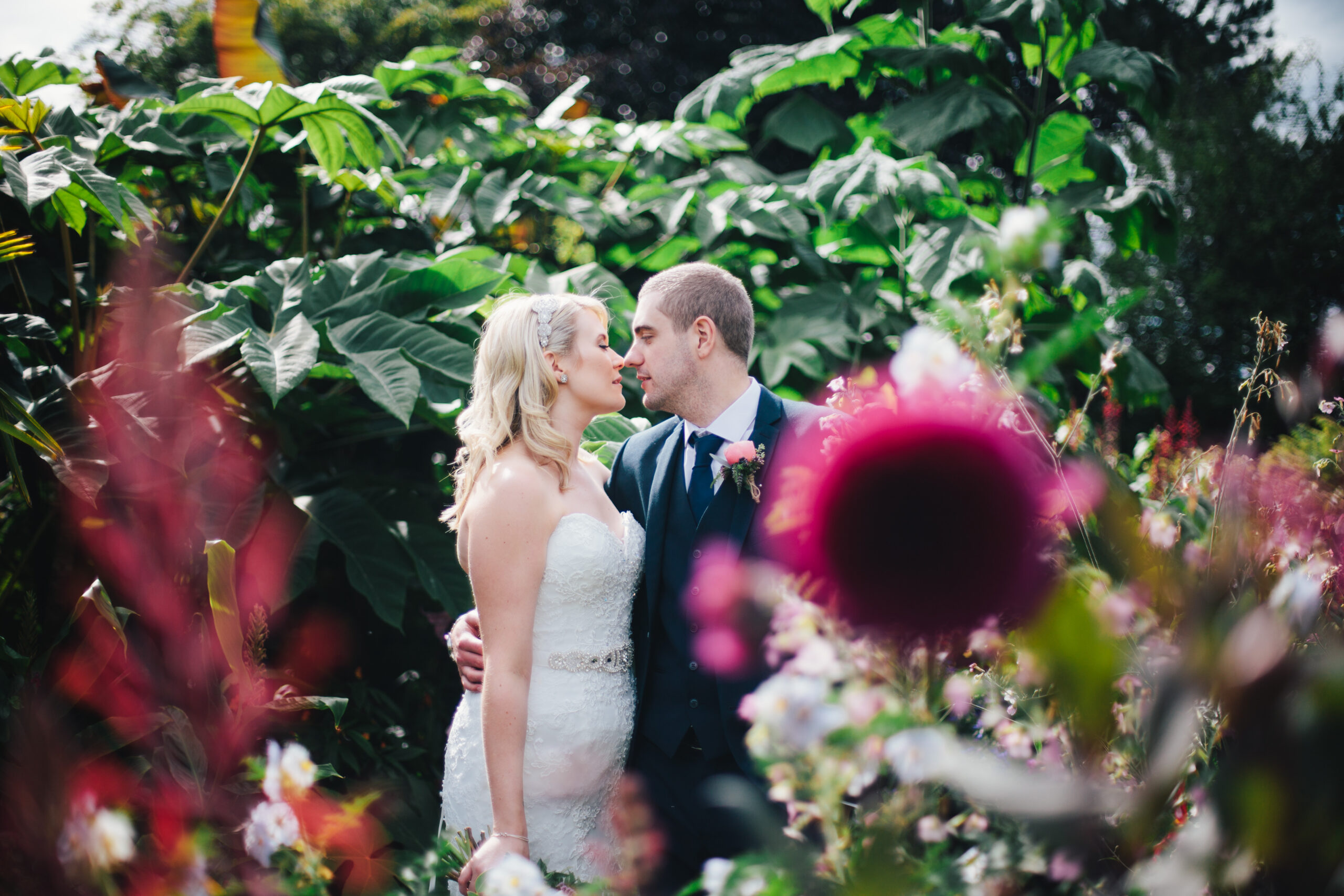
To do photography professionally, your photography skills need to be up to scratch in the sector you want to work in. You don’t need to compare yourself to professionals who have excelled in their industry, but you do need to have photography work that is worthy of paying for.
You’ll need to:
- Know your camera settings for different situations.
- Have experience working with different light.
- Push your creativity beyond the basic shots.
- Have a selection of good photos every time you shoot.
- Learn how to edit your photos in a consistent style.
If you’re not quite there yet, that’s okay. There are photography classes, workshops, courses, and portfolio building days that you can do to get yourself there.
A good way to improve your photography skills in a short time is to start a photography challenge. It can get you trying new approaches and new techniques, which all transfer into becoming an amazing photographer worthy of invoicing clients.
Building your portfolio
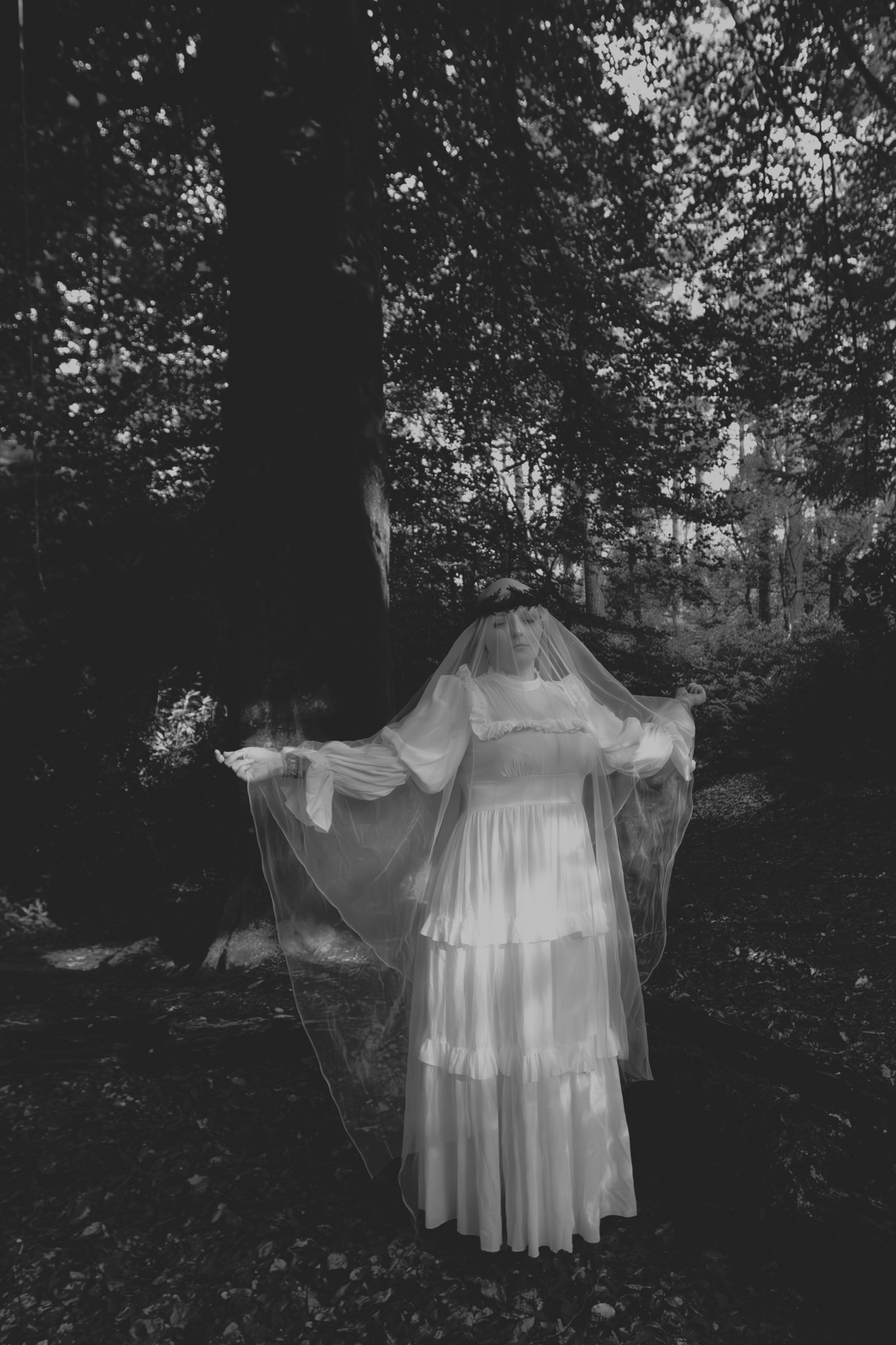
Building a portfolio is one of the most essential steps to becoming a pro photographer. Not just because it showcases your work to future clients, but because it can also help you learn how to do the job before you do the job.
Some types of photography will be easier to build a portfolio for than others.
Food photographers can build a solid portfolio even from home if they have the right equipment (and the right food), but wedding photographers can struggle to have opportunities to practise wedding shoots. In this case, aspiring photographers may want to create their own opportunities.
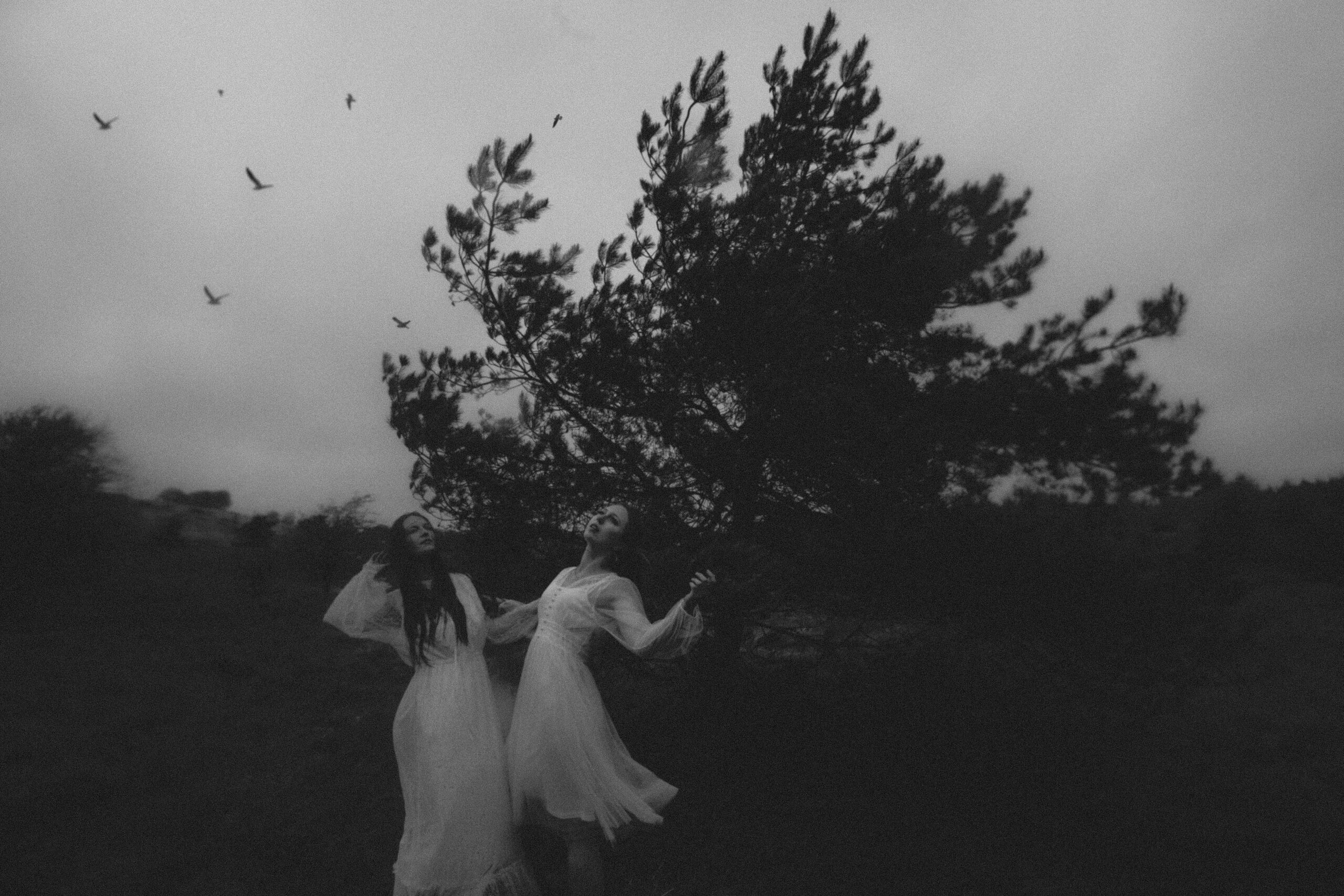
If you’re hoping to crack the wedding industry, you may want to start by doing a portfolio workshop or setting up a styled wedding shoot.
Portrait or fashion photographers can shoot TFP (Time for Prints/Time for Photos) where they exchange photos for a model’s time. You can find models who want to collaborate on websites like PurplePort, or on Facebook groups set up for local photographers and models.
Family photographers may want to use whatever social platforms they have to do a model call for a family who would like a free photo session in exchange for experience and a model release.
Always make sure you set up the terms with anyone you are shooting with, even if there is no payment.
Assist/second shoot

This is one of the fastest ways to gain real experience from a full time professional photographer. Even if you have a degree in photography, real-life experience will be invaluable.
At first, you might be assisting with photography equipment before you get the opportunity to be a second shooter.
A second shooter is someone who captures secondary angles and, at weddings, photographs candid shots of the guests while the main photographer is shooting the couple.
When you have more experience and a good portfolio, second shooting can turn into a well-paid gig without having to do any editing.
You might not gain portfolio images from doing these jobs, as most second shooting contracts will not allow you to use the photos, but the experience of being on an actual professional photography job will be worth its weight in gold. You’ll get to know your camera better in specific situations, and you’ll be learning on the job.
Start a photography business
Starting a business in photography is not that complicated if you get your ducks in a row. The priority is to make sure it is legal. In the UK, this is by declaring your income to HMRC and setting up your Self Assessment tax return account. If you’re a self-employed sole trader, this is a very simple process.
In other countries, the process might be different, and you may need specific business licensing, so it’s worth checking with your local authority before you do anything.
The next thing, is to actually learn how to run a business. In the beginning of my photography career, I took some business classes in a library that taught me basic business skills, like how to do my tax return, make contracts, write up invoices, and most importantly… price my photography services properly.
Some photographers even choose to do a business degree over a photography qualification, because you’ll be taking photos maybe 20% of the time and the rest of the time you’ll be editing and doing admin.
Your photography business name
You can’t start a business without a business name.
You can go down a couple of routes with this. The first route would be to name it after yourself, like many photographers you have probably seen. Or you can come up with a whole new name.
Personally, I went for my own name because I felt wedding photography is a very personal service, and potential clients would book me for who I am just as much as my photography. However, you may not want to use your own name, your name may already be taken by a business, or you might want to have a team or expand the business at some point.
Pricing your photography services
Starting a photography business is exciting, but getting the financial foundations right from the start will save you a lot of headaches down the line. Before you set your prices, you need to work out your cost of doing business (CODB), which covers every expense involved in running your business, and then factor in how much profit you need to make to pay yourself a decent wage.
Pricing based on what competitors charge or what “feels right” is one of the most common mistakes new photographers make, and it can lead to an unsustainable business.
Your CODB should include:
- Equipment costs (camera bodies, lenses, lighting, accessories)
- Software and subscriptions (editing software, gallery delivery platforms, accounting tools)
- Insurance (public liability, equipment cover)
- Marketing and website costs
- Travel and fuel
- Education and professional development
- Taxes and accountancy fees
- Your own wage as a non-negotiable business expense
Build a website
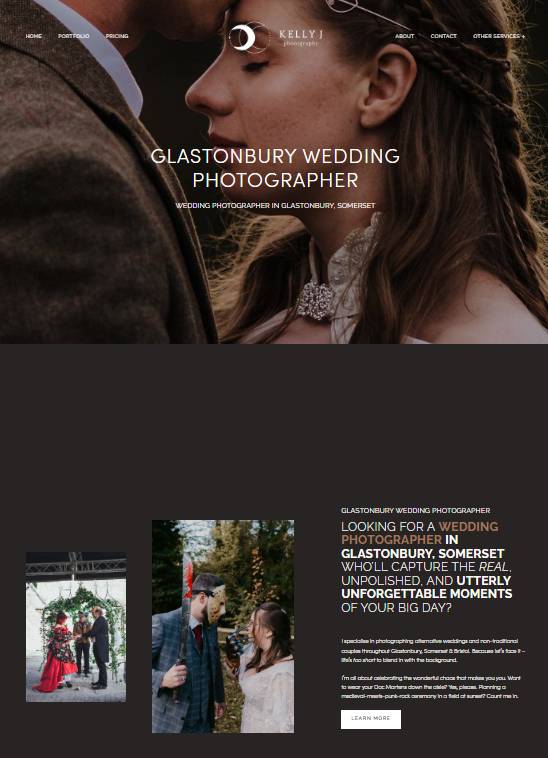
When you start your business, you will need a strong online presence, and your website is the foundation of that. It acts as your portfolio when you want to send prospective clients somewhere to see your work, but it is also a marketing tool that helps new clients find you.
A well-built, optimised website means you can show up in search results when someone in your area is actively looking for exactly what you offer, putting your business in front of people who are already ready to book rather than just scroll past.
Create business cards
Business cards are still worth having to grow your business.
I design mine in Canva and get them printed through Moo.com, and honestly the quality from Moo is brilliant. Keep your design clean and on-brand, and make sure your name, website, and contact details are easy to read.
You never know when someone is going to ask what you do.
Market your photography
SEO
SEO stands for search engine optimisation, and in simple terms, it is about making sure your website shows up when potential clients are searching for what you offer.
When someone types “wedding photographer in London” or “portrait photographer near me” into Google, SEO is what determines whose website appears at the top of the results.
For new photographers, this is worth understanding early because it can be the difference between clients finding you or finding someone else.
A good starting point is to check the basics on every page of your website:
- Title tags – make sure each page has a title tag that includes what you do and where you are based.
- Meta descriptions – write a short summary for each page that appears under your link in search results.
- Location and speciality – use these naturally throughout your page copy rather than stuffing them in awkwardly.
- Image optimisation – give every image a descriptive file name and alt text before you upload it.
- Site speed and mobile – make sure your site loads quickly and works well on a phone.
- Internal linking – link between your pages where it makes sense, for example, from your about page to your portfolio.
Directories
Getting listed on photography directories is one of the easiest ways to get your name out there when you are just starting out.
In the UK, Bridebook and Hitched are well worth signing up to, and Rock My Wedding and Guides for Brides are also popular with couples actively looking to find photographers.
If you are based in the US, The Knot and WeddingWire are the big ones to prioritise. Many directories offer free basic listings, so there is no reason not to get yourself on as many relevant ones as you can while you are building your presence.
Blogs
Getting featured on wedding blogs is brilliant for visibility and can do wonders for your SEO, as a link back to your website from a reputable blog carries real weight with Google.
In the UK, Love My Dress, Junebug Weddings, and Guides for Brides are great places to start, and Once Wed is worth looking at for a more editorial feel.
Most blogs have a submission process on their website, so it is simply a case of putting together a strong set of images from a real wedding, getting permission from your couple, and sending it in.
Do not be disheartened if you do not hear back straight away as editors receive a huge volume of submissions.
Social media
Social media is not going to drive consistent long-term traffic to your website the way SEO will. A post has a lifespan of a day or two before it disappears into the feed, so it is not something you can set and forget. What it is brilliant for though is brand awareness and building trust with people before they have even enquired.
When someone has seen your work regularly, had a laugh at a behind the scenes reel, or noticed that you seem like a genuinely lovely person to spend a wedding day with, they are already halfway to booking you before they have sent a single message.
Instagram and Facebook tend to be the most valuable platforms for wedding and portrait photographers, as that is where your couples are most likely to be spending their time. My honest advice is to pick two or three platforms you actually enjoy using and show up consistently, rather than spreading yourself thin across every app going. A half-hearted presence everywhere will always lose out to a strong, consistent presence somewhere.
| Platform | Best for |
| Wedding, portrait, fashion, food, lifestyle | |
| Wedding, family, local portrait, community groups | |
| TikTok | Behind the scenes, education, personal brand building |
| Fine art, fashion, editorial, blogging, driving website traffic | |
| Threads | Networking, industry chat, building an audience around your personality |
| X (Twitter) | Photojournalism, editorial, industry networking |
| Commercial, corporate, headshot, PR and events | |
| YouTube | Education, behind the scenes, gear reviews |
Work for a company as a professional photographer
When you become a photographer, it’s almost assumed you will create a business, but not everyone wants to be self-employed, and that is completely valid.
Some photographers prefer the security of a salary, paid holidays, and not having to worry about the business side of things.
There are staff photography roles out there in sectors like retail, corporate, events, and journalism, and they can be a great way to build experience and earn a steady income while you develop your skills.
You could even work as a photographer for a studio, working with clients on behalf of their company.
Becoming a professional photographer
There is a lot to think about when you are starting out, and these are just some of the things to consider as you make the move from someone who loves taking photos to a working photographer earning real money.
Getting to a professional level takes time, patience, and a willingness to keep learning, but if people are paying for your work, then you are already on the right path.
Learning how to become a great photographer is only part of the journey. Understanding the business, the marketing, and the legal side of things is what turns a passion into a sustainable career.