When summer arrives, I always feel an urge to hibernate from the world because it’s my least favourite season. There’s something about longer days and hot weather that just makes me a little sad. Maybe it’s the fact that all of my favourite nature spots are so busy, maybe it’s the boob sweat. Over the last few years I have been trying really hard to fend off this seasonal sadness by swimming in the sea, hiking and doing summer photography.
It gives me a reason to be excited for summer, instead of dreading it. It gets me out into nature, during golden hours and appreciating things that aren’t around in autumn and winter.
I’ve compiled some tips to help you make the most of the sunny season. I’d like to share them with you in the hope that your summer captures are both beautiful and fun to take.
Embracing Summer Photography
What’s so good about summer photography? Personally I enjoy the sheer variety of subjects on offer. Colourful flowers everywhere, crystal blue water, countryside picnics, and golden hour sunsets all provide amazing opportunities for good photos.
Even a short walk around a housing estate can be an interested source for summer photography. Think of ice cream vans and patches of wildflowers bursting with colour.
Golden hazy light makes every shot special, not matter the subject.
I also find that people are more inclined to pose for photos in summer when it’s warmer. Not that many people want to come out for a shoot in the cold weather.
This post may contain affiliate links, where I make a commission on purchases made through affiliate sites at no extra cost to you.
Coping with Harsh Midday Light
Now, I won’t sugar-coat it, the sun at midday can be downright brutal for summer photography.
The light is often bright and harsh, casting strong shadows and washing out colours. Yet there are ways to turn this to your advantage or at least minimise its negative effects.
First off, if I have the choice, I often start really early or wait until later in the day when the sun’s angle is lower, which softens the light. But sometimes the moment just won’t wait.
If you must shoot during midday, try to find shade or use a diffuser to soften the light falling on your subject. A pop-up reflector can be a lifesaver, reducing those unflattering shadows on faces or objects.
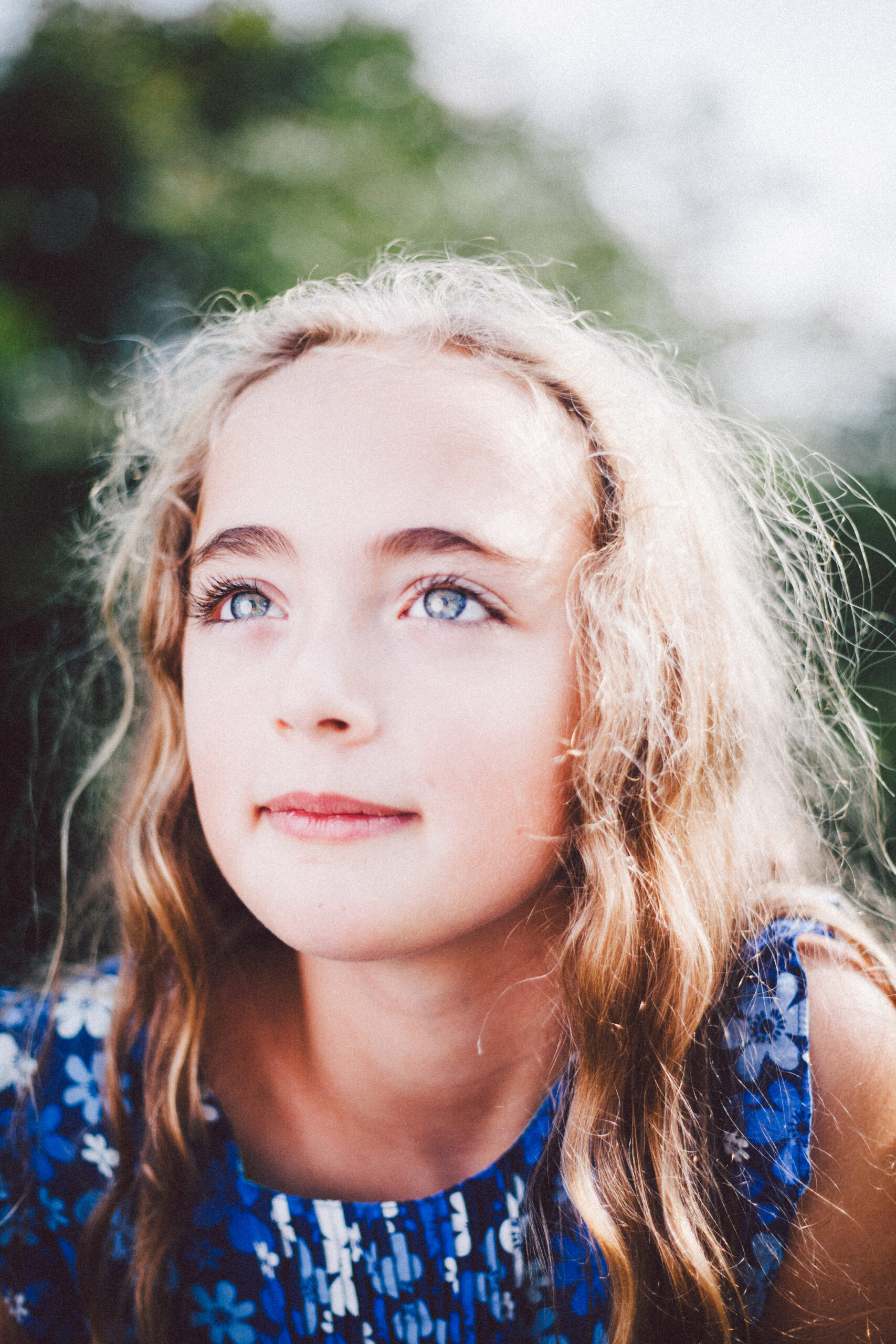
Or you could even use the sun and experiment with silhouettes or high-contrast shots. The intense sunlight can help create cool shadows, especially if you’re photographing people standing against the sky.
You might also consider black-and-white images. Converting a photo with strong highlights and shadows to monochrome can give it a more artistic or timeless feel.
If you’re photographing landscapes, keep an eye on the sky. A bright midday sun can blow out the sky to pure white, robbing it of detail. Sometimes, using a graduated neutral density filter can help balance the exposure, keeping the sky’s details intact while correctly exposing the ground.
Or, if filters aren’t your thing, you might try bracketing your shots and then blending them later to gain more dynamic range.
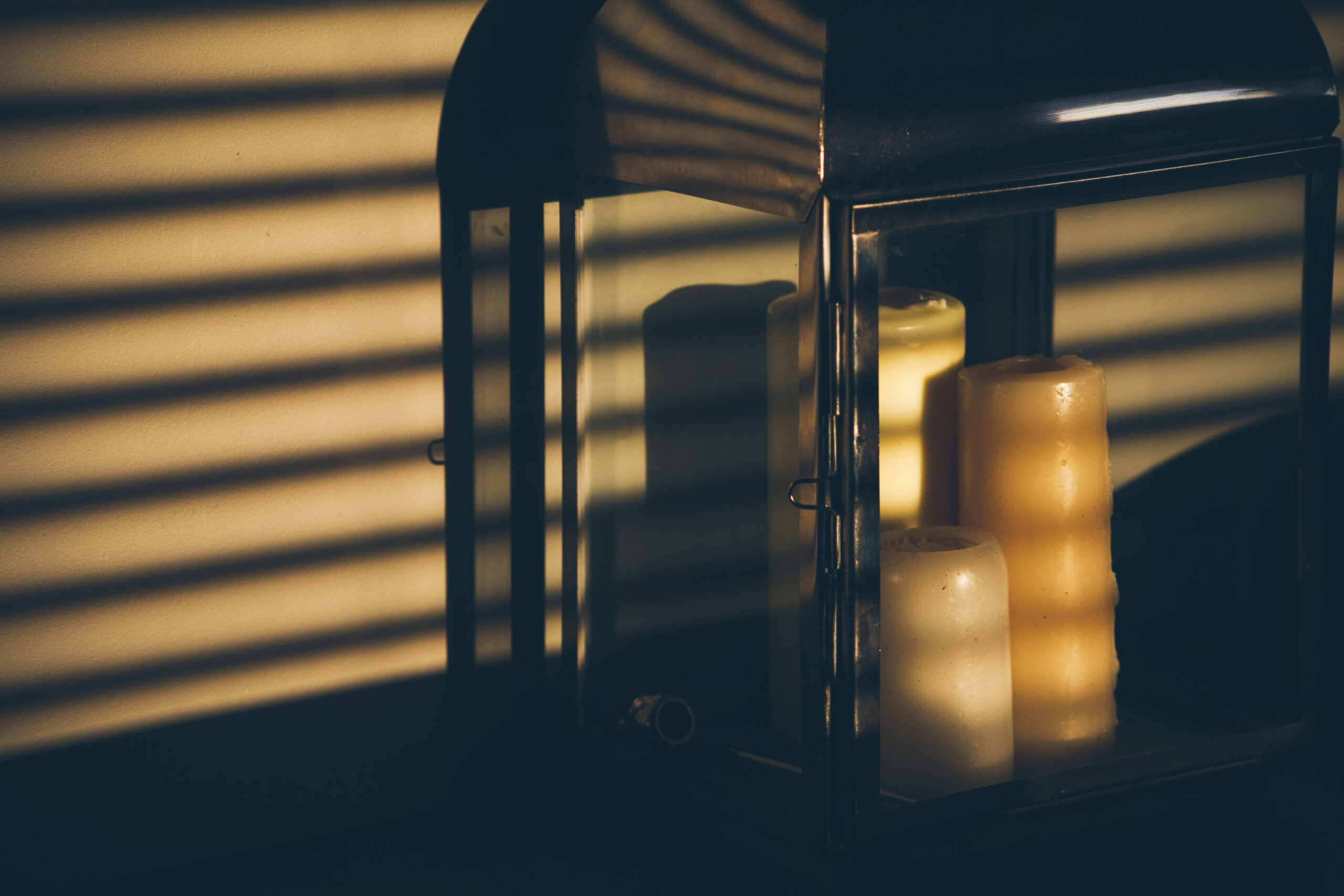
Golden Hour Summer Photography
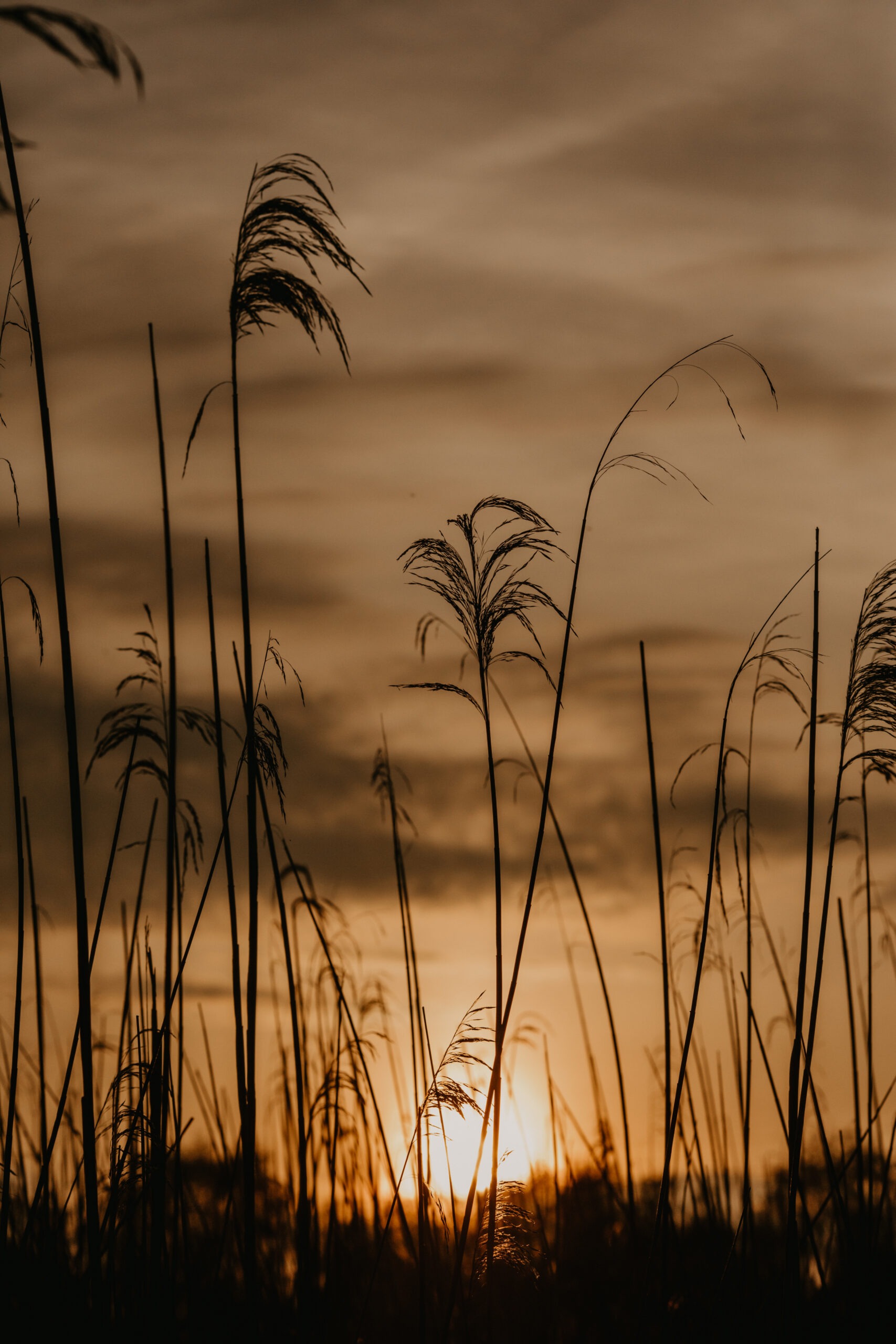
One of the biggest bonuses of summer photography is the extended golden hour. Technically, golden hour happens twice a day – shortly after sunrise and just before sunset.
In summer, it feels like golden hour lasts longer (though in truth, it might simply blend into the general late afternoon glow). The sunlight during these times is softer, warmer in colour, and lower in the sky, which creates long, gentle shadows.
I always feel that this makes any photo really ethereal and dreamy.
I usually plan my shoots around golden hour if I can.
If you’re aiming for sunrise, be prepared to wake up very early in mid-summer. Sometimes that means stumbling out of bed at an hour normally reserved for my sleep paralysis.
It can be worth it though if you catch mist rising over fields or a sunrise that turns the sky pink. Sunrise is also a great time to see wildlife and have nature walks or the beach all to yourself.
Late afternoon golden hour might feel more civilised, but it can also get busy if you’re at a popular beach or viewpoint.
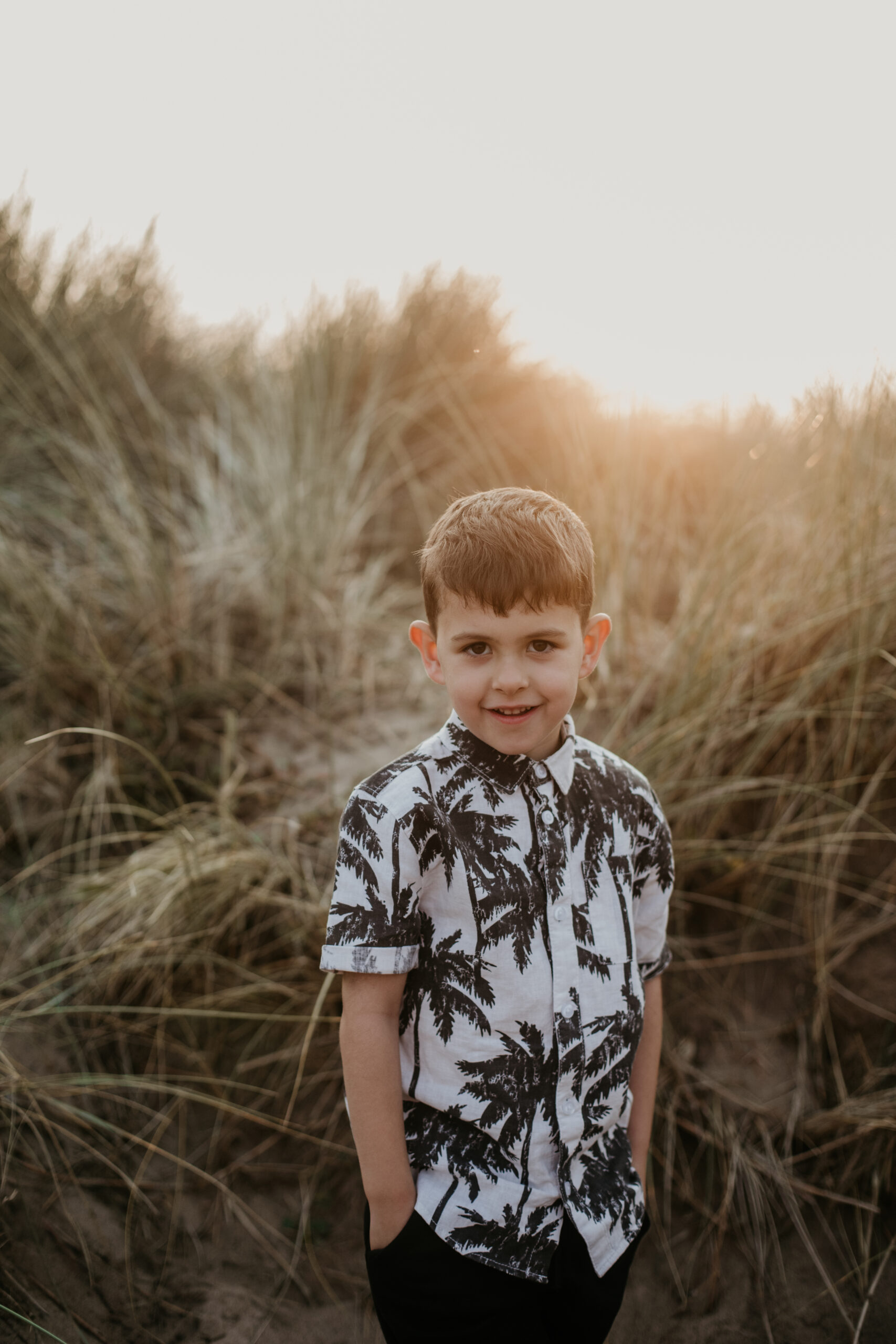
For portraits, position your subject so the sun is behind them to create a warm backlight, then use a reflector or a bit of fill flash to brighten their face.
For landscapes, look for interesting foreground elements (like wildflowers, a winding path, or a cluster of rocks) that the golden light can illuminate.
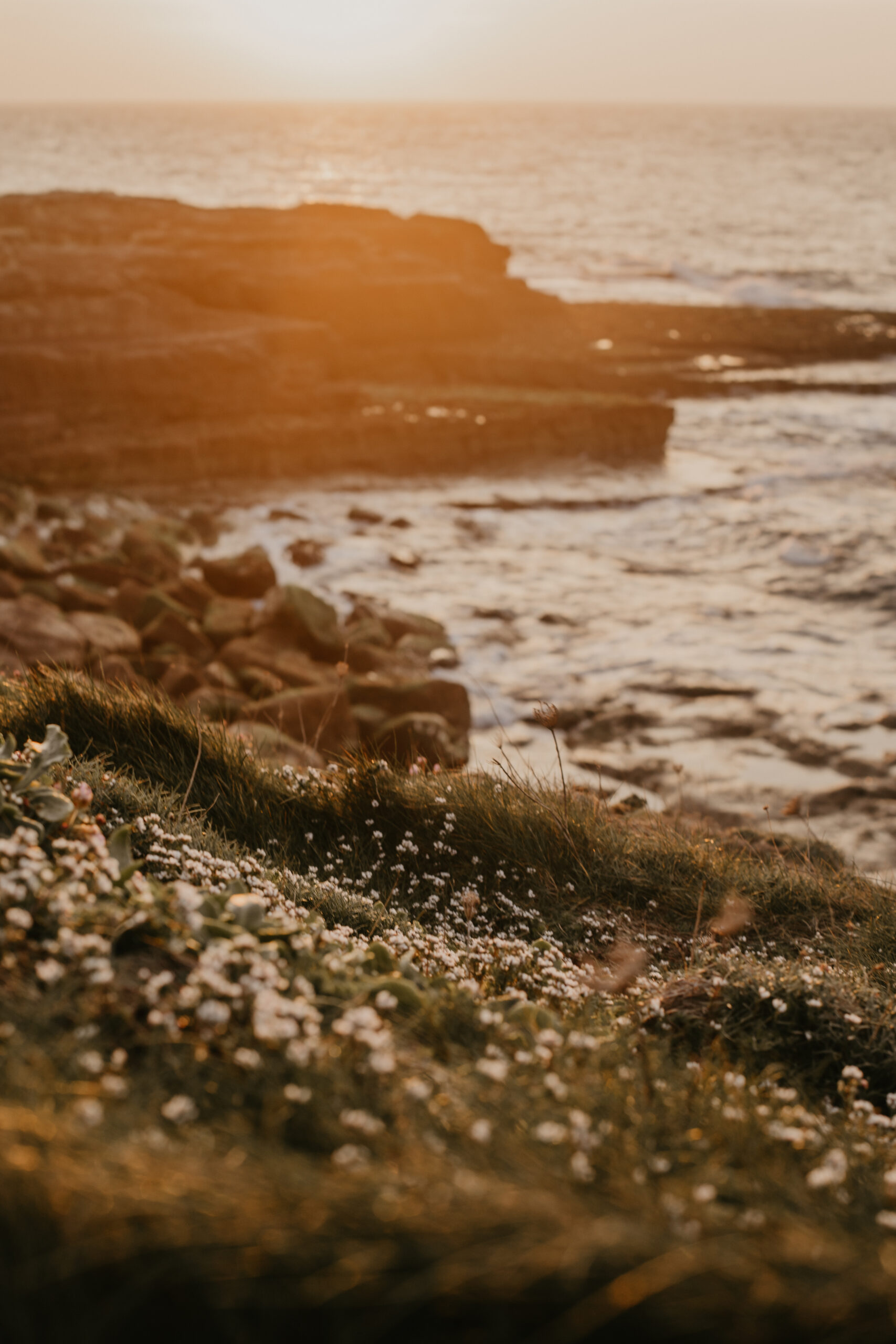
If the sky is full of clouds, you might be treated to an even more dramatic sunset.
Always stay a little longer after sunset, because the best colours happen just after the sun dips below the horizon.
Ideas for Summer Photography
There are tons of photo opportunities in the summer months.
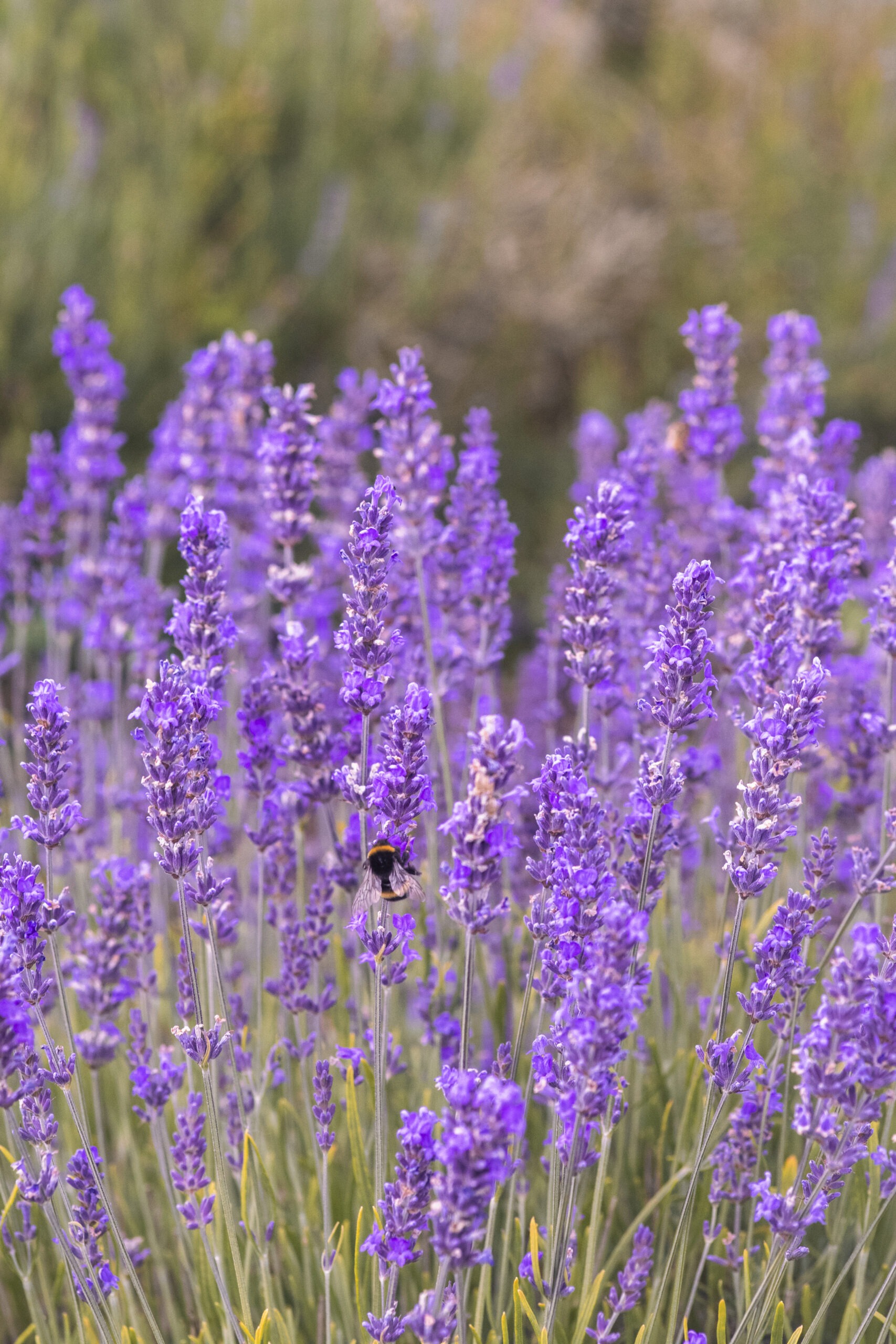
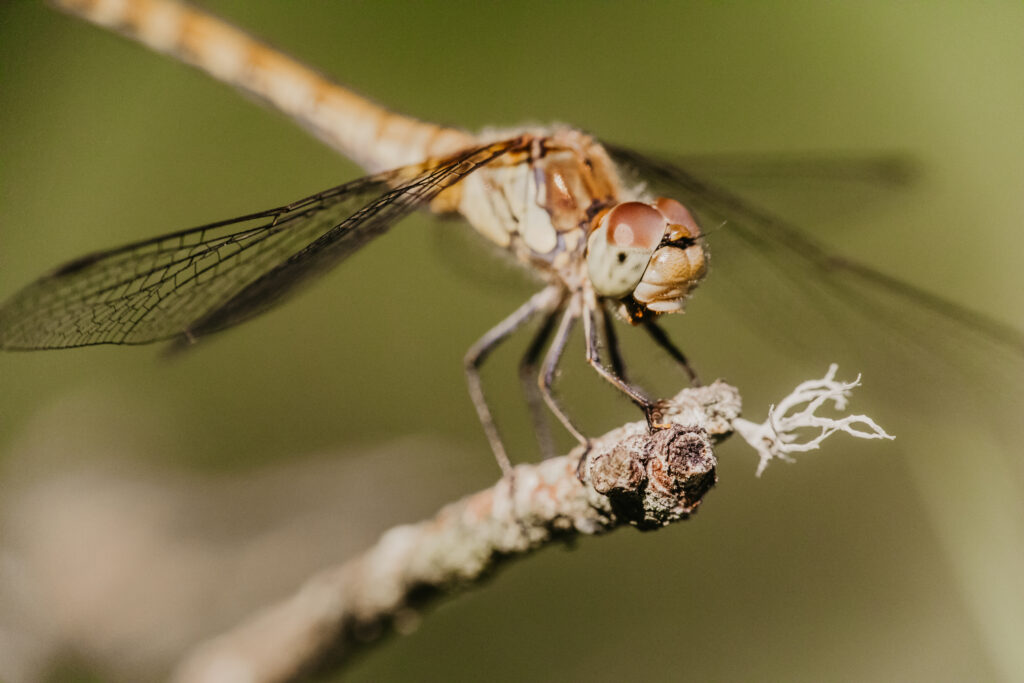
I often start by exploring local parks or gardens. I look for colourful flowers, insects, and birds. Bees, butterflies, and dragonflies are great subjects, though you’ll need a bit of patience and a lot of practise to capture them mid-flight.
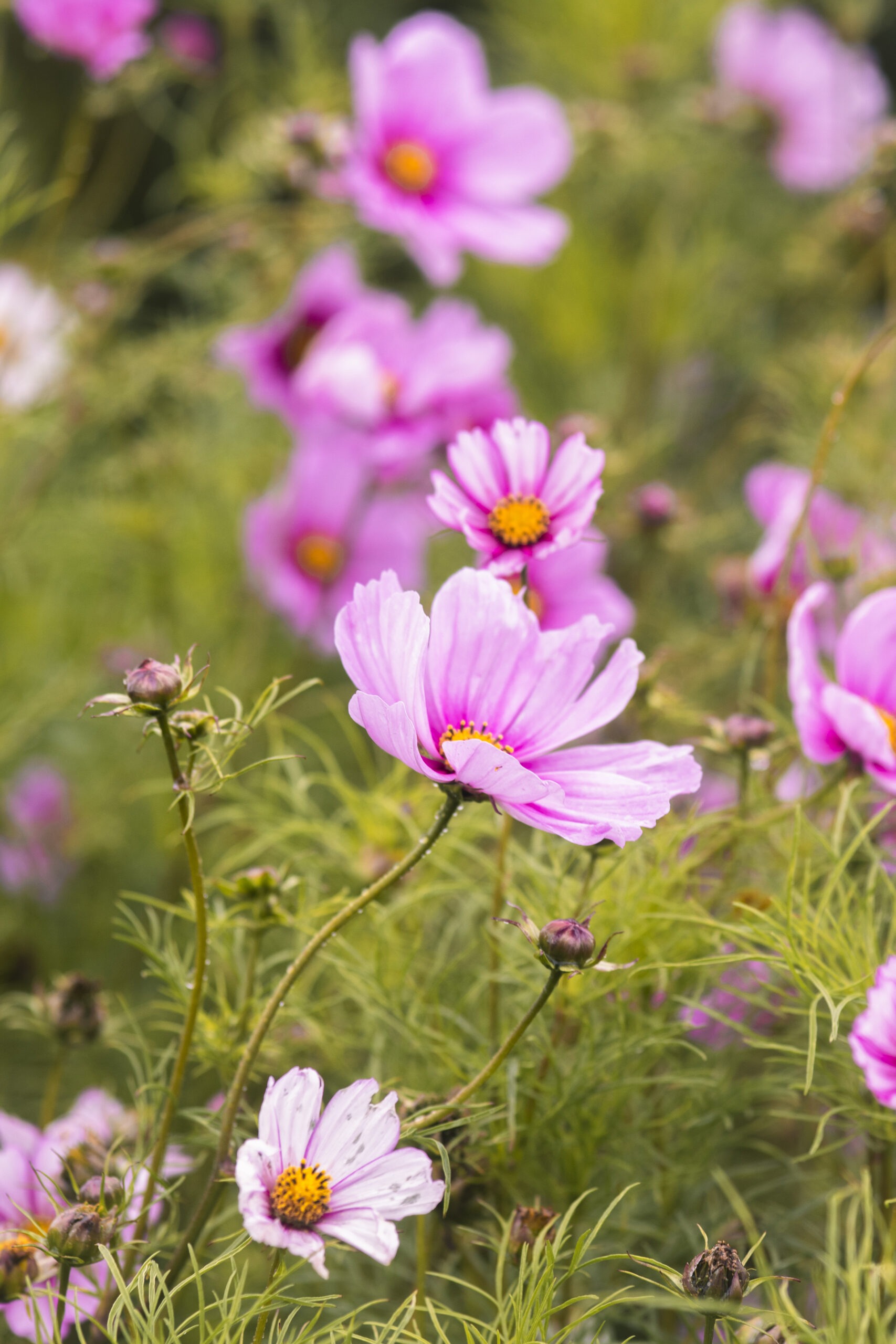
Macro
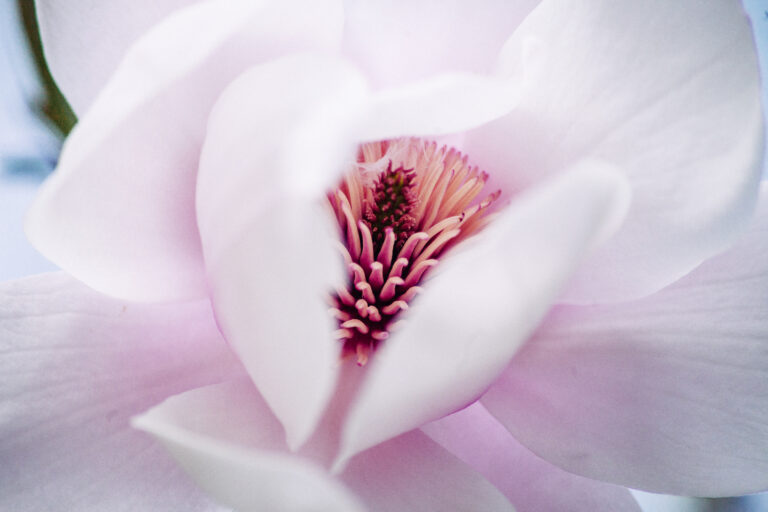
If you have a macro lens, try focusing on a single flower or a dewdrop early in the morning when the light is gentle but gorgeously warm.
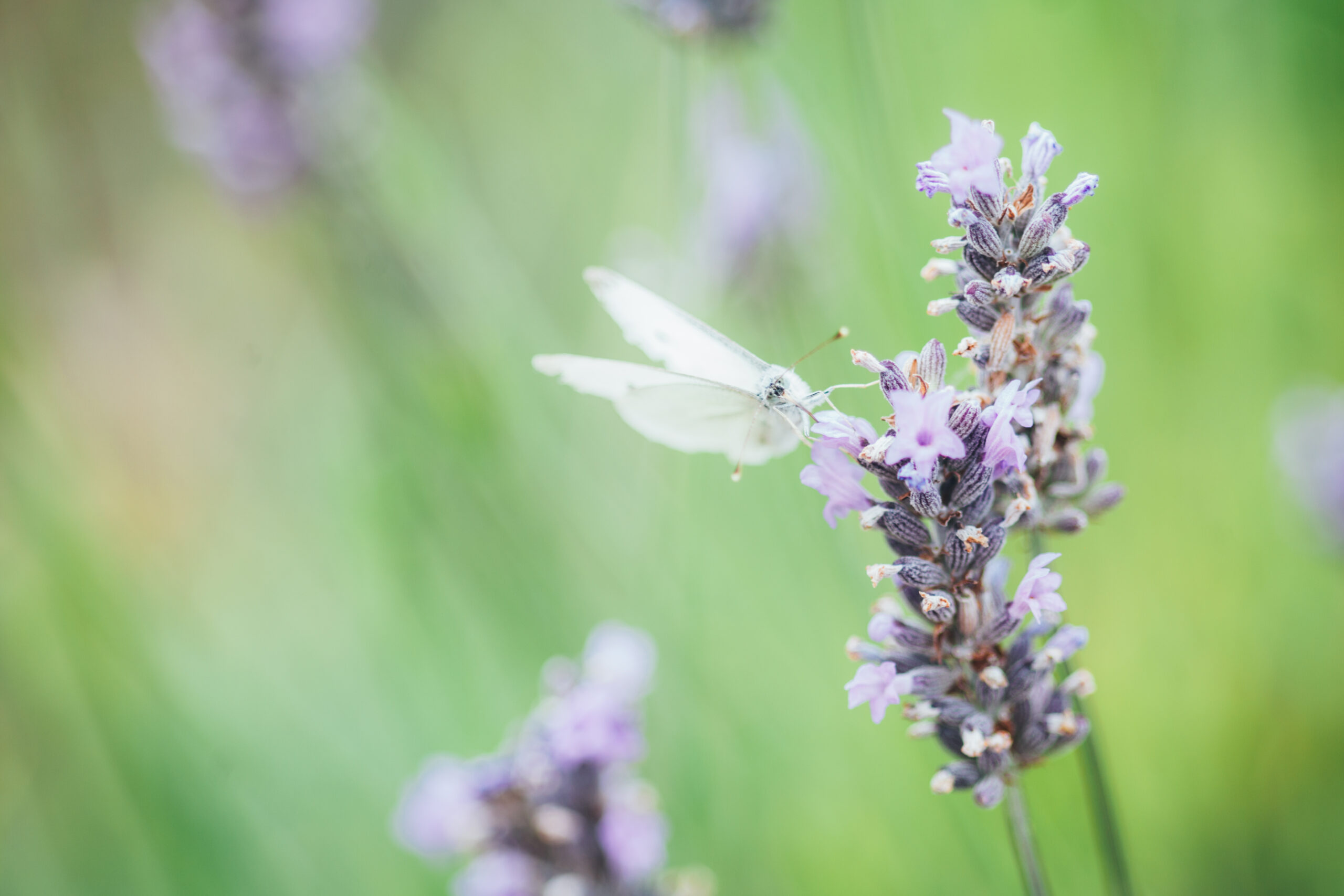
Water
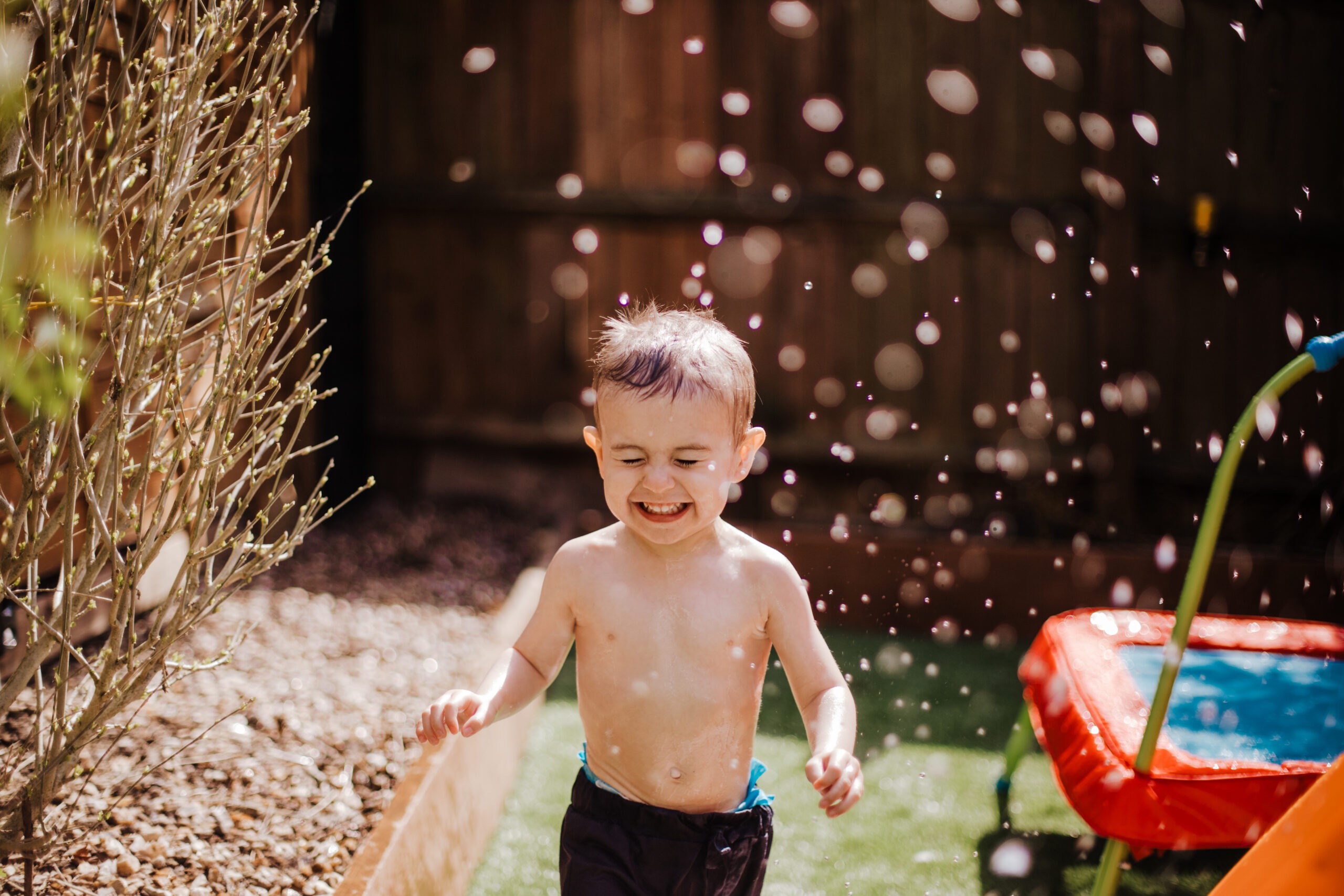
Another favourite subject of mine is water. Water reflects light beautifully, creating sparkles and interesting bokeh. Having kids means I get a lot of paddling pool pictures of them splashing water everywhere. If you’re more into landscapes, a calm body of water at sunset can mirror the sky’s colours.
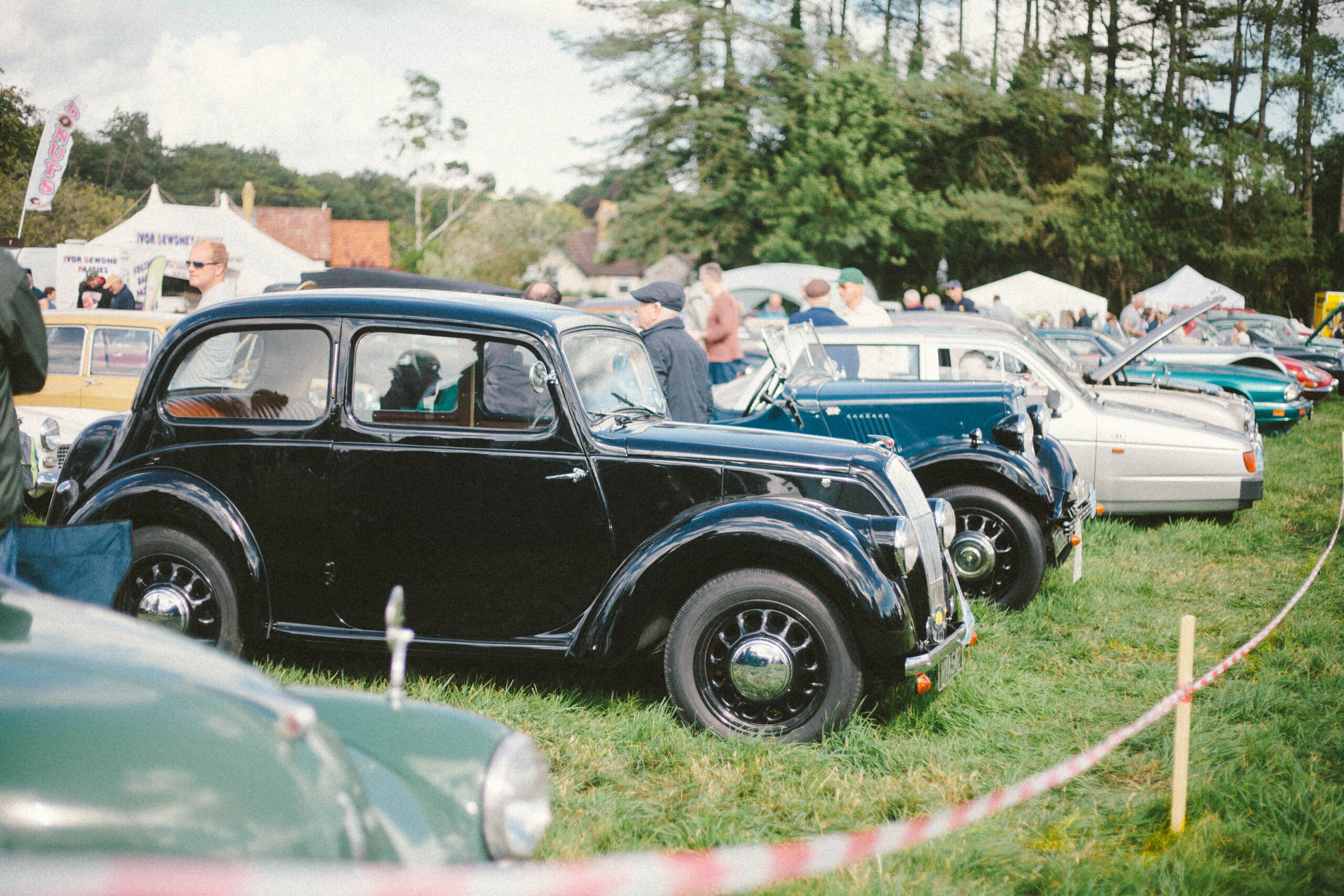
Summer Events
Summer also brings plenty of festivals, BBQ’s, car shows etc. If you’re attending a music festival, the bright outfits, crowds, and stage lights can make for some really cool shots. Personally, I like the local agricultural show for some documentary photos that I’m sure will one day be pretty historic.
Portraits
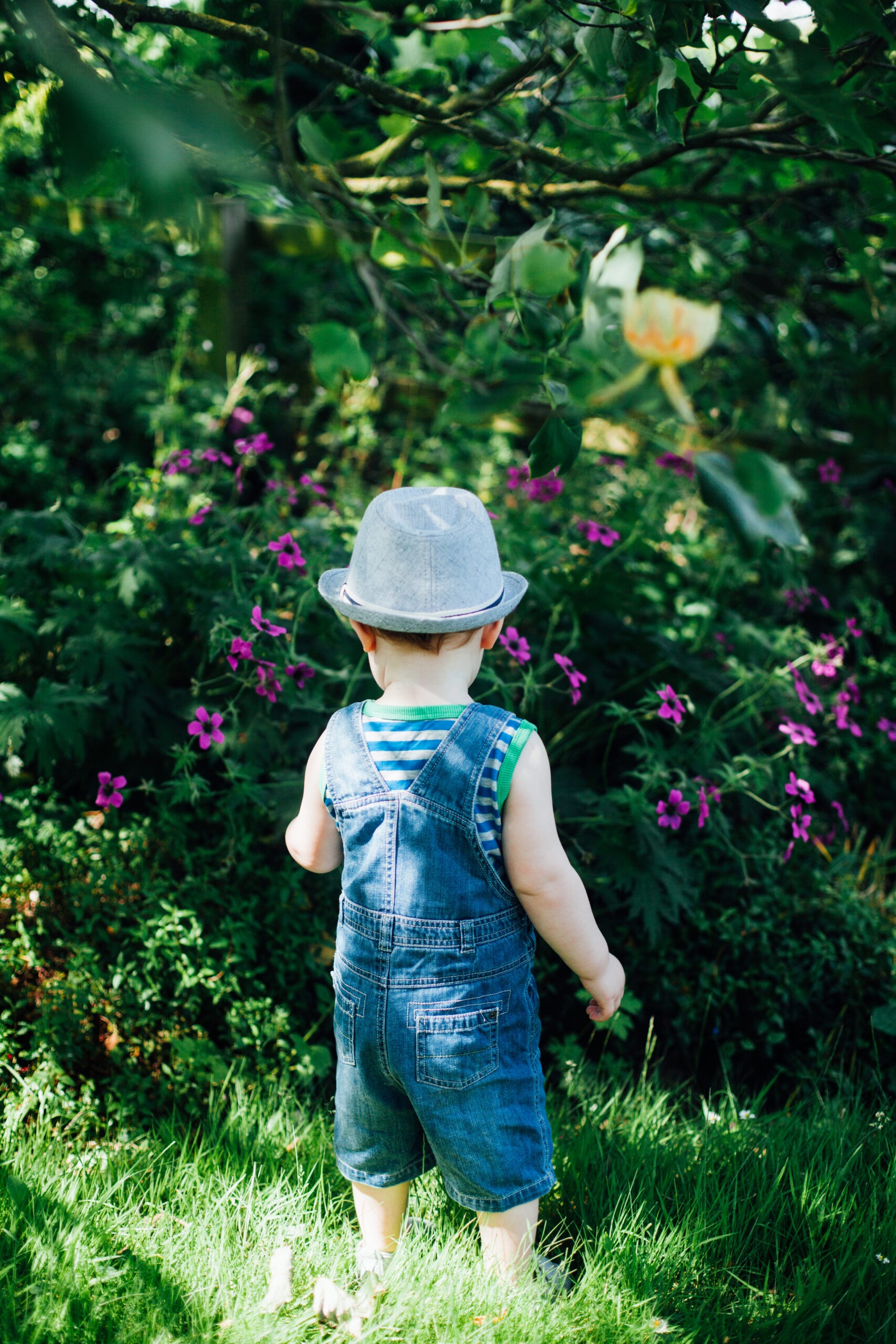
You can easily get some amazing portraits in the summer. The longer days mean you have much more time to work with. You can photograph people backlit by golden hour, or create shadows with the harsh sun, or you can soften the bright highlights and deep shadows with shade or a reflector.
Wildlife
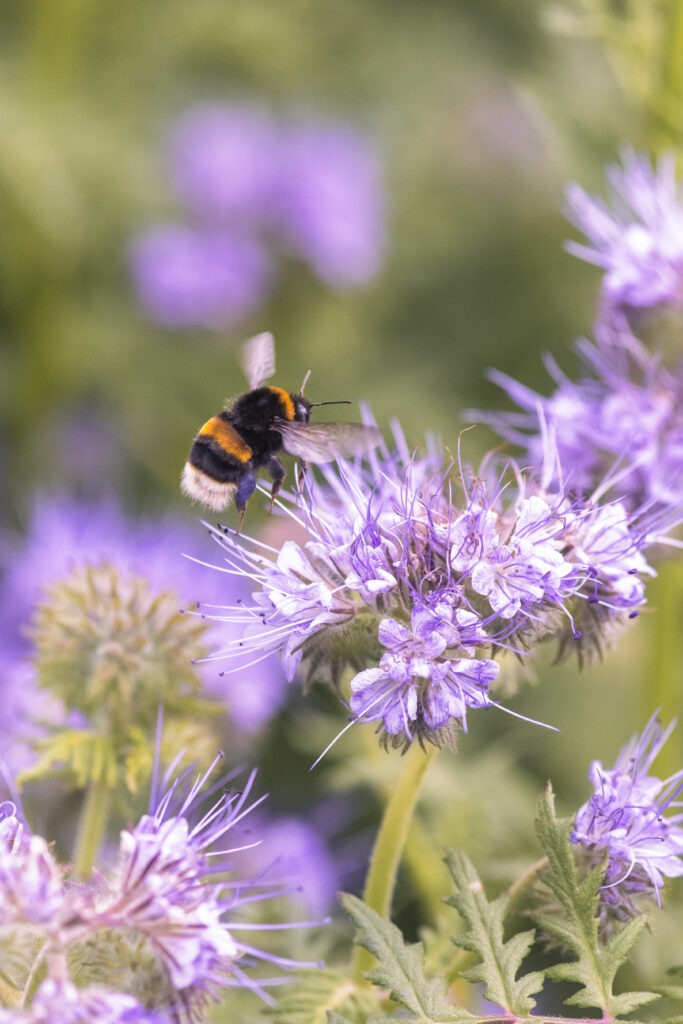
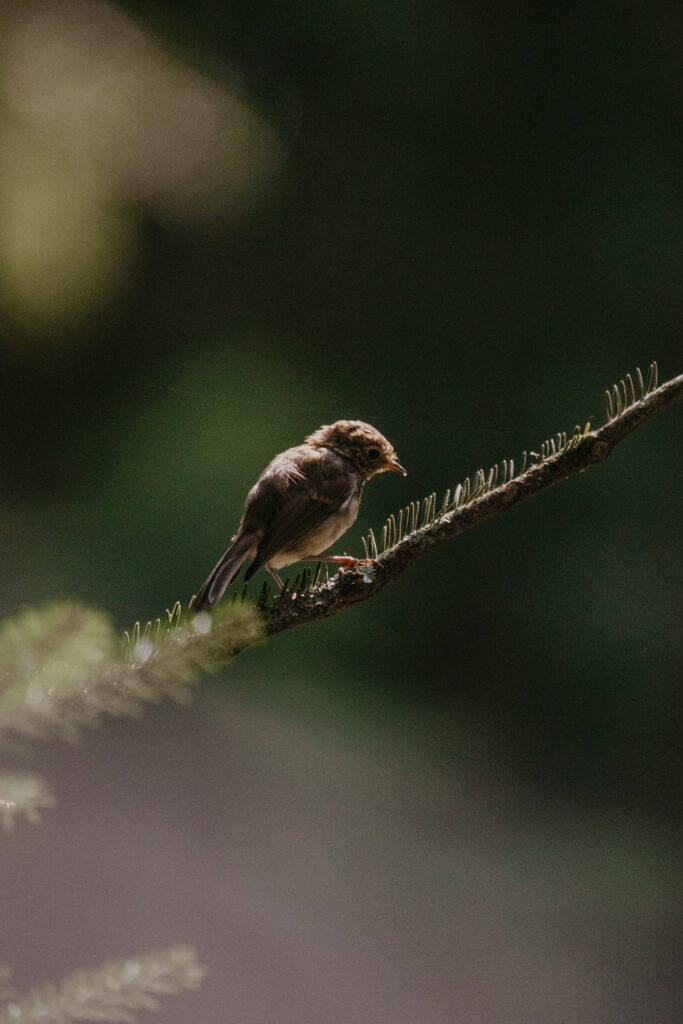
The great thing about summer is the amount of wildlife around. Everything comes alive! So many birds, so many insects. If you’re not a fan of the summer because of the insects and spiders, then photographing them could be a good bit of exposure therapy. I spent years of my life being terrified of Bee’s for example, but now I can get really close to them with my macro lens and it doesn’t phase me.
Night Sky
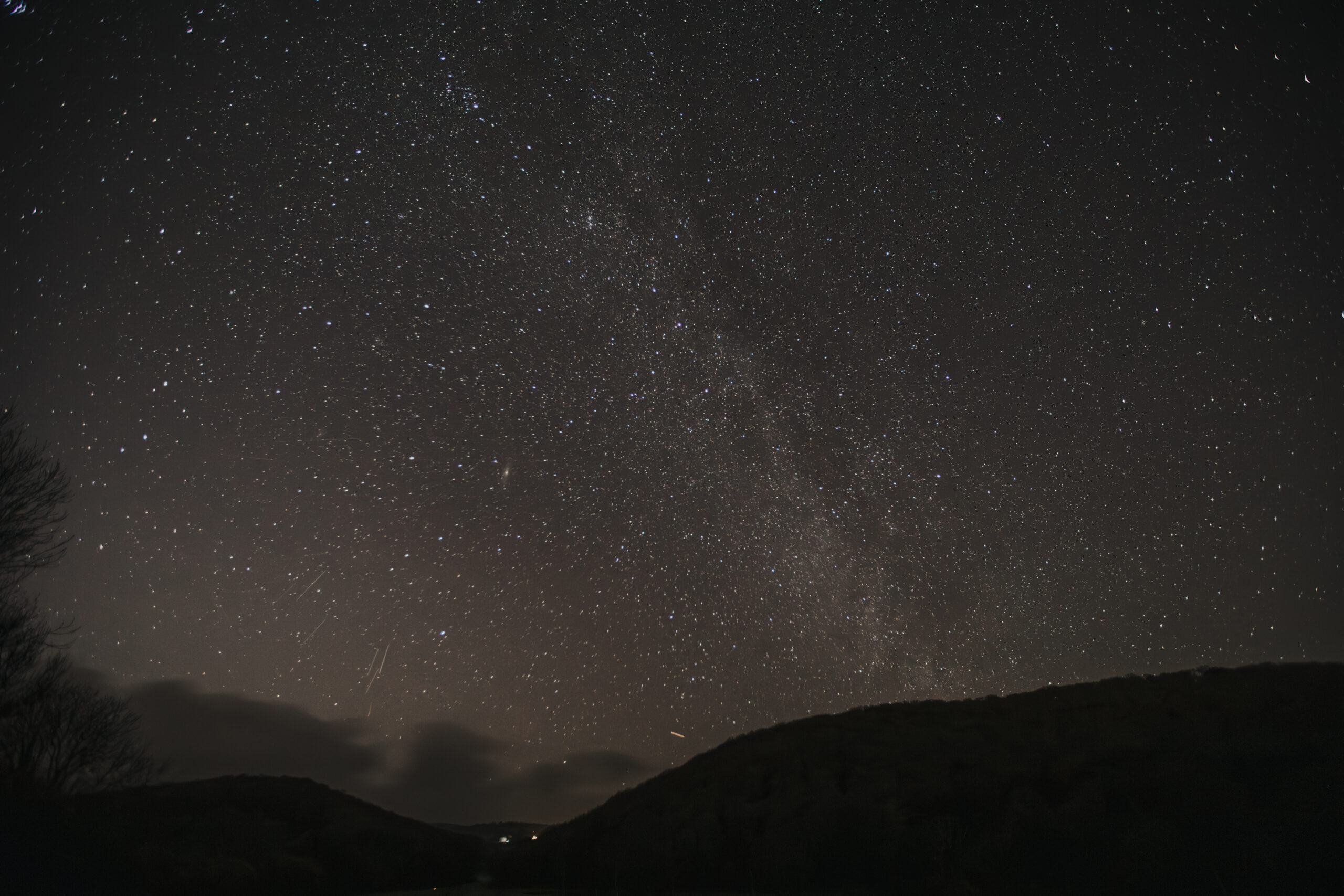
During the summer months you can see the core of the milky way in the night sky, making it the best time to photograph. We also get the Perseids meteor shower from late July to mid August, which you don’t want to miss, trust me! The last time I tried to photograph it, my tripod head came loose (I didn’t have an allen key with me) and I couldn’t get a sharp enough photo. I was so gutted that I actually cried a little in frustration, but you know what? The meteor shower was worth being there for anyway, it was incredible.
Gearing Up for Summer Photography
You don’t necessarily need a whole load of top end kit to achieve lovely summer photography. You could even start with your smartphone if that is all you have.
I’d recommend a camera body, a couple of lenses (maybe a wide-angle for landscapes and a 50mm prime), and a reflector which could easily get you a good selection of photos.
A polarising filter can be useful to reduce glare and saturate skies or water. It also helps if you’re dealing with reflections on foliage.
I also have a macro lens handy and always take my 135mm 1.2 everywhere because the blurry backgrounds it creates are dreamy at golden hour.
If you’re heading out to photograph in the harsh sun, pack a bottle of water and possibly a hat. It’s easy to get dehydrated, especially if you’re engrossed in the viewfinder for long stretches.
I also carry a lens cloth because smudges are more noticeable in bright light.
If you’re planning for a golden hour shoot, remember that the perfect light doesn’t last forever. Sometimes it’s just a fleeting 20 minutes of magic. So try to arrive early, scout your composition, and be ready to shoot the moment the light turns golden.
Managing Exposure in Summer
Summer photos often involve dealing with strong highlights (like sunlit clouds or sandy beaches) and darker shadows (under trees or around buildings).
Your camera’s meter can struggle with such high contrast.
If you rely on auto modes, you risk losing detail in either the highlights or the shadows.
I always use manual but you can also use semi-manual modes (like Aperture Priority with exposure compensation) to keep a close eye on the histogram. If I see that highlights are about to blow out, I dial down the exposure a notch, knowing I can bring up the shadows later if needed.
When photographing people in bright sun, you might try to underexpose slightly and fill in the shadows using a flash or reflector. This way, you don’t end up with washed-out skies.
I also always shoot in RAW format, as it’s easier to rescue minor exposure issues in post-processing, but I still aim to get as close as possible in camera. You can’t recover completely blow out highlights.
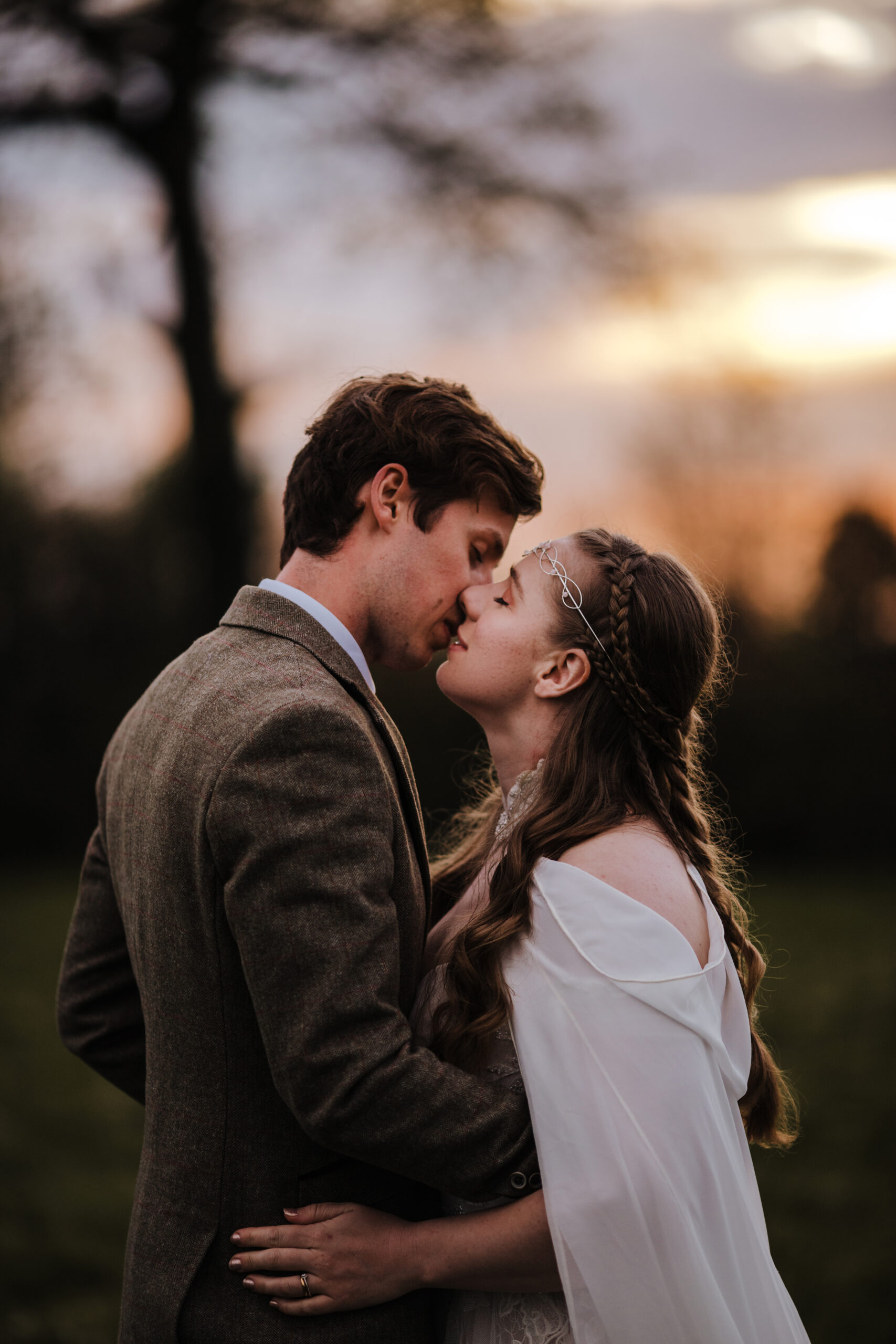
Watching for strong backlighting is also key. I love a backlit portrait and I aim to photograph a backlit shot at every wedding I shoot in the summer.
Timing is Everything
I’ve already mentioned the golden hour, but let’s not forget that the quality of summer light can change dramatically throughout the day.
If you’re up early, the light might be cool and dewy, perfect for capturing fresh flower petals or that beautiful pink sky I mentioned.
Midday can be harsh and strong, though you can sometimes harness that brightness for more graphic, high-contrast images.
Late afternoon transitions into early evening, where the low sun can bathe everything in a lovely, warm light.
Keep a mental note of how your local area looks at different times. If you pass a pretty meadow on your way to work, consider returning at sunset to see how it looks.
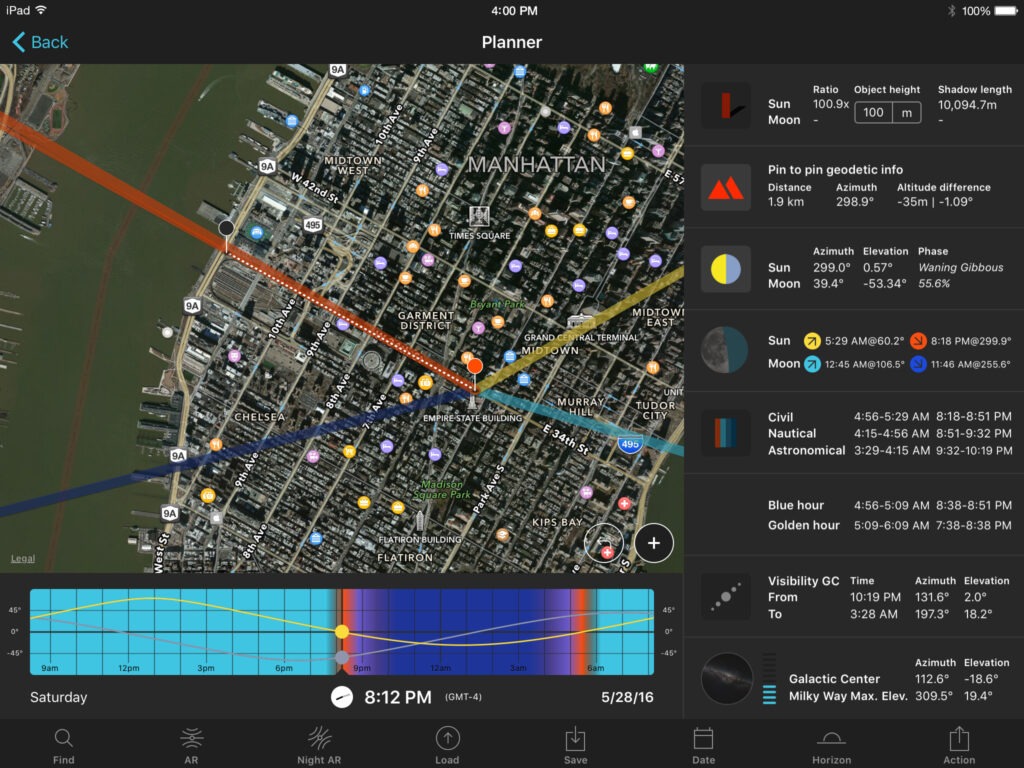
You could also do what I do, and plan your photos more precisely with an app. I use PhotoPills, as it lets me load the exact location and it tells me where the sun will rise & set and where the moon will rise & set and at what times. I use it for nearly every shoot now.
Staying Comfortable and Safe
Shooting summer photography can be physically demanding.
Long walks in the heat, lugging gear around, and constantly doing squats and lunges just to get the right angle can be exhausting.
I recommend dressing in light, breathable clothing, wearing factor 50 sun cream, and staying hydrated.
If you’re near water, use insect repellent for midges or mosquitoes. I had to learn this lesson the hard way, twice, and now I’m scarred because of it. Also horseflies, they are horrible.
Definitely pack a snack if you’re out shooting in the heat all day. Listening to your body’s comfort level is important. It’s not worth overheating and dehydrating for the perfect shot.
Editing Your Summer Photos
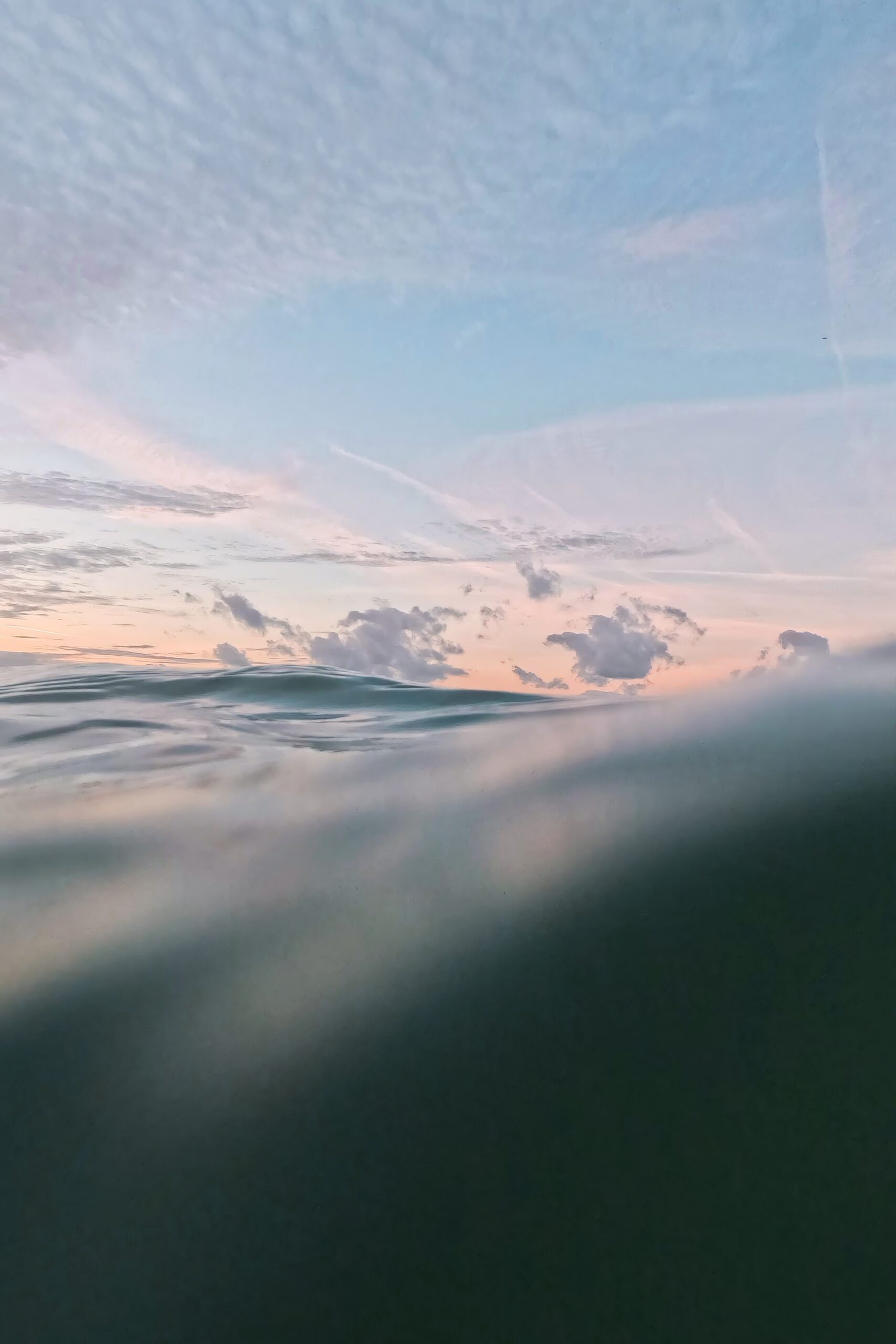
When it comes to post-processing, summer images often benefit from a slight boost in vibrancy or saturation to enhance those bright summer colours.
I also like to add a bit of warmth in the white balance if the photo appears too cool.
If I took pictures during harsh midday sun, I might tone down the highlights and bring up the shadows a bit to restore detail.
You can use your editing software’s tone curves or local adjustment brushes to tame overly bright spots.

Final Thoughts on Summer Photography
Summer photography is all about making the most of the longer days and the chance to capture really bright colours.
You can use it as an opportunity at getting confident at shooting in harsh midday sun, or you can head out for golden hour.
For me, the best part of summer photography is the amount of wildlife and flowers I can photograph, as well as getting to spend more time at the beach.
What photos do you really want to take this summer?