Photography can be a wonderful therapy for both mental and physical health. But how?
In this guide on photography therapy, I want to share with you all the different ways that taking photos can help you grow and heal. I’ll also share with you some super personal stories about how photography saved me.

Why Is Photography Therapy?
Photography is a form of therapy because it helps you focus on the present moment, express emotions, and see the world from a new perspective. It offers a creative outlet to process thoughts, reduce stress, and connect with nature or others. Whether you’re capturing a beautiful sunset or experimenting with self-portraits, photography encourages mindfulness and emotional healing.
Why Photography Therapy Works
Photography therapy works because it engages your mind. The act of creating something beautiful gives you a sense of purpose, while the focus on the present moment helps quiet anxious thoughts. It’s a way to process emotions and see life through a different lens (literally).
Here is a study on the therapeutic values of photography.
How Photography Was Therapy For My Social Anxiety
Photography has been my lifeline through the darkest times of my life.
For years, I struggled with social anxiety. The thought of being in crowded places or engaging with human beings was overwhelming.
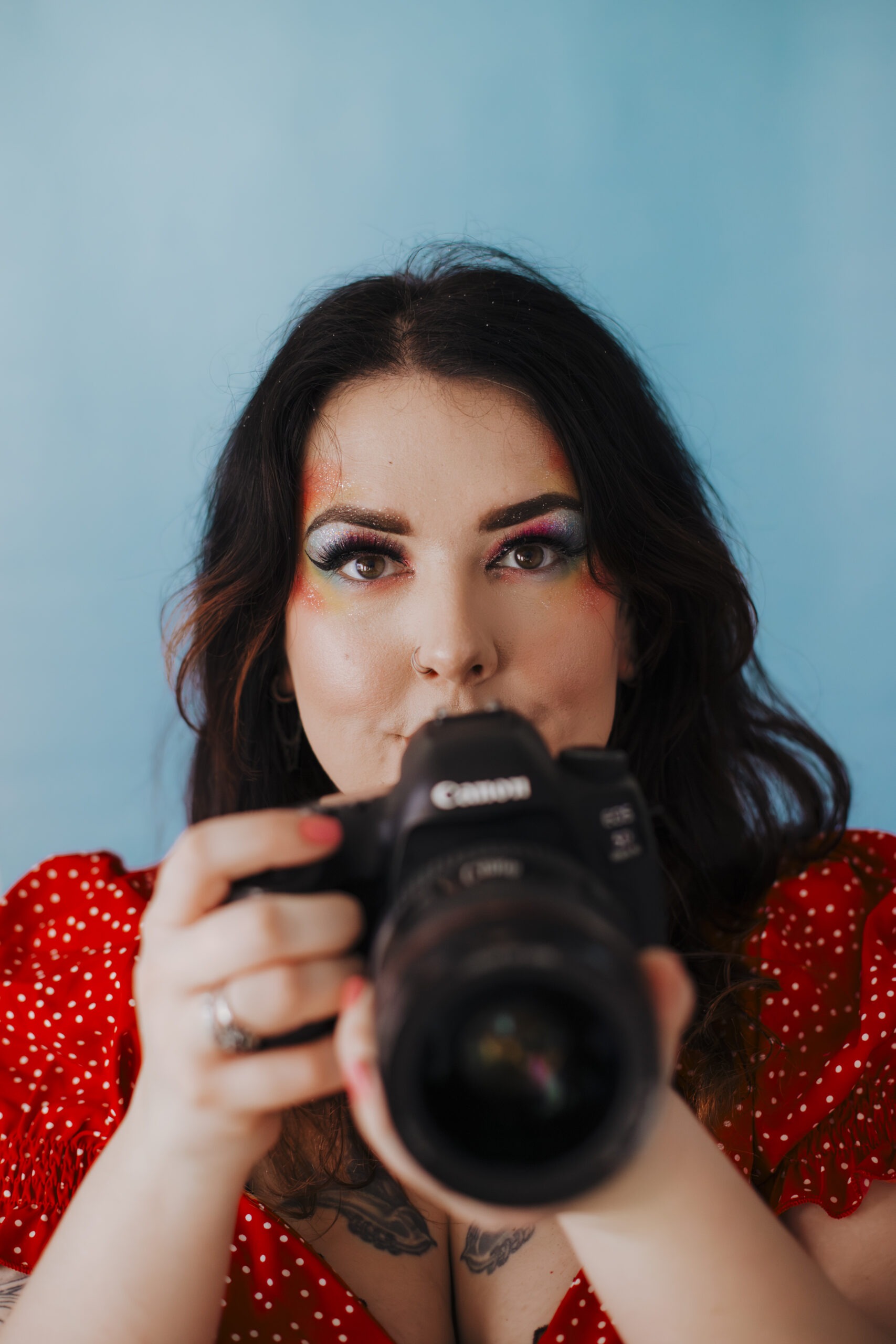
But photography gave me a reason to step outside and explore the world without feeling too exposed. My camera became my safety net and a way to engage with my surroundings, without feeling the pressure to interact directly with people.
Through photography, I discovered how to blend into the background while observing life through my camera. I learned to capture candid moments. The act of framing these moments gave me a sense of connection without the fear of being the centre of attention.
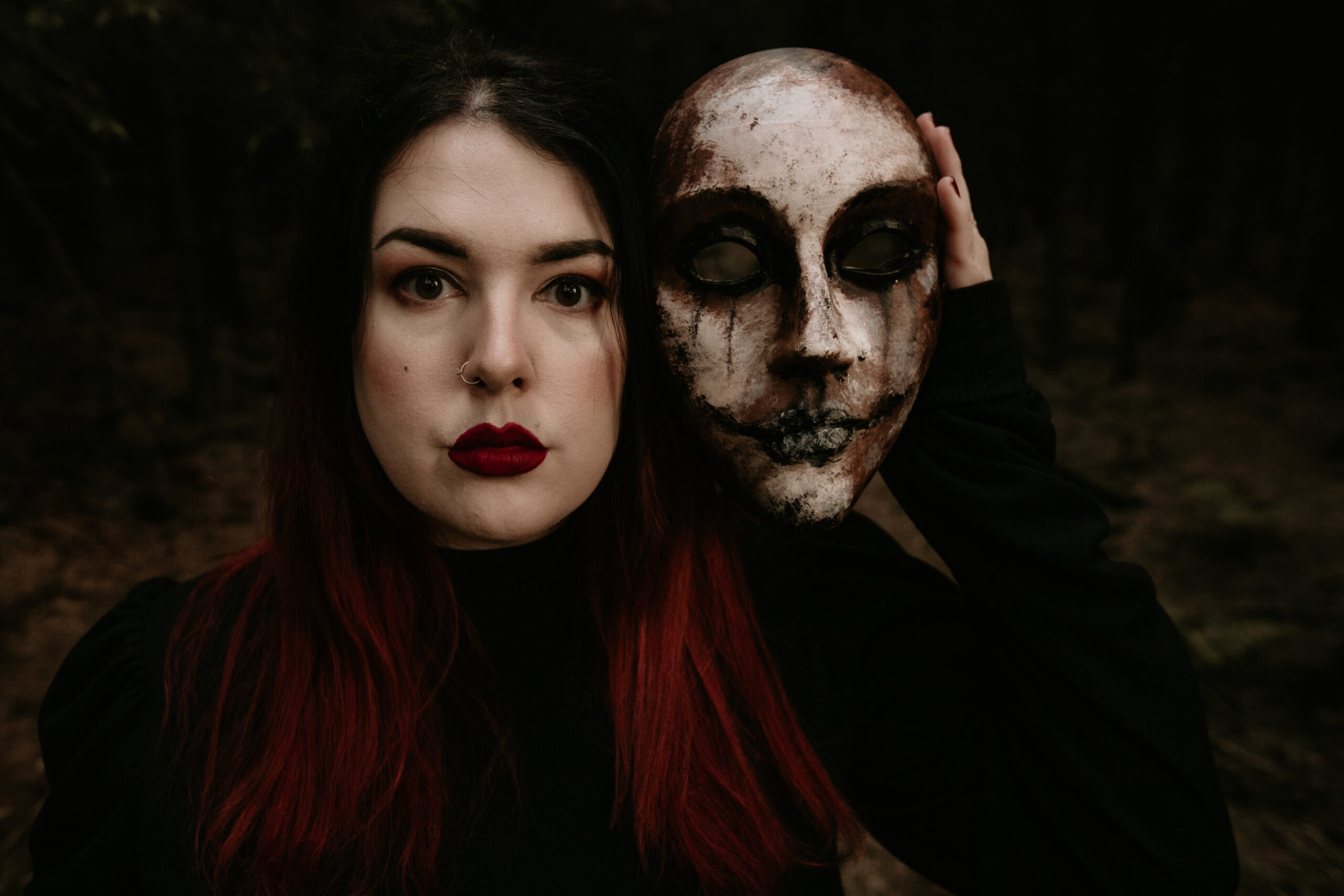
Over time, photography helped me break down my walls. I started feeling more comfortable in social situations, knowing that I had my camera as my “mask”. It even opened doors to conversations with strangers who were curious about what I was photographing, as well as other photographers. Slowly but surely, photography empowered me to step out of my comfort zone and enter spaces I had always avoided.
Healing My Social Anxiety Through Photography Therapy
As my social anxiety started to improve, I was able to start photographing the subjects I was most interested in.
I was able to set up a networking profile and organise photoshoots with models, make-up artists and stylists. This in turn, encouraged me to start taking public transport often, which is something that had always given me anxiety attacks.
The more photoshoots I did, the more confident I became with meeting strangers, taking transport and being in public spaces.
All of this eventually led to me running my own wedding photography business, then a horror photography business and even doing guest talks at photographic societies.
Seeing the World from a New Perspective
One of the most profound lessons photography has taught me is how to see things differently. Before I picked up a camera, I often felt consumed by my own thoughts, unable to notice the world around me.
But photography changed that.
The process of looking through a viewfinder (or lcd screen) forces you to slow down. You start noticing details you’d normally overlook – the dapped light in the woods, the reflections in raindrops, or the tiny bugs on a plant. Suddenly, ordinary things become extraordinary.
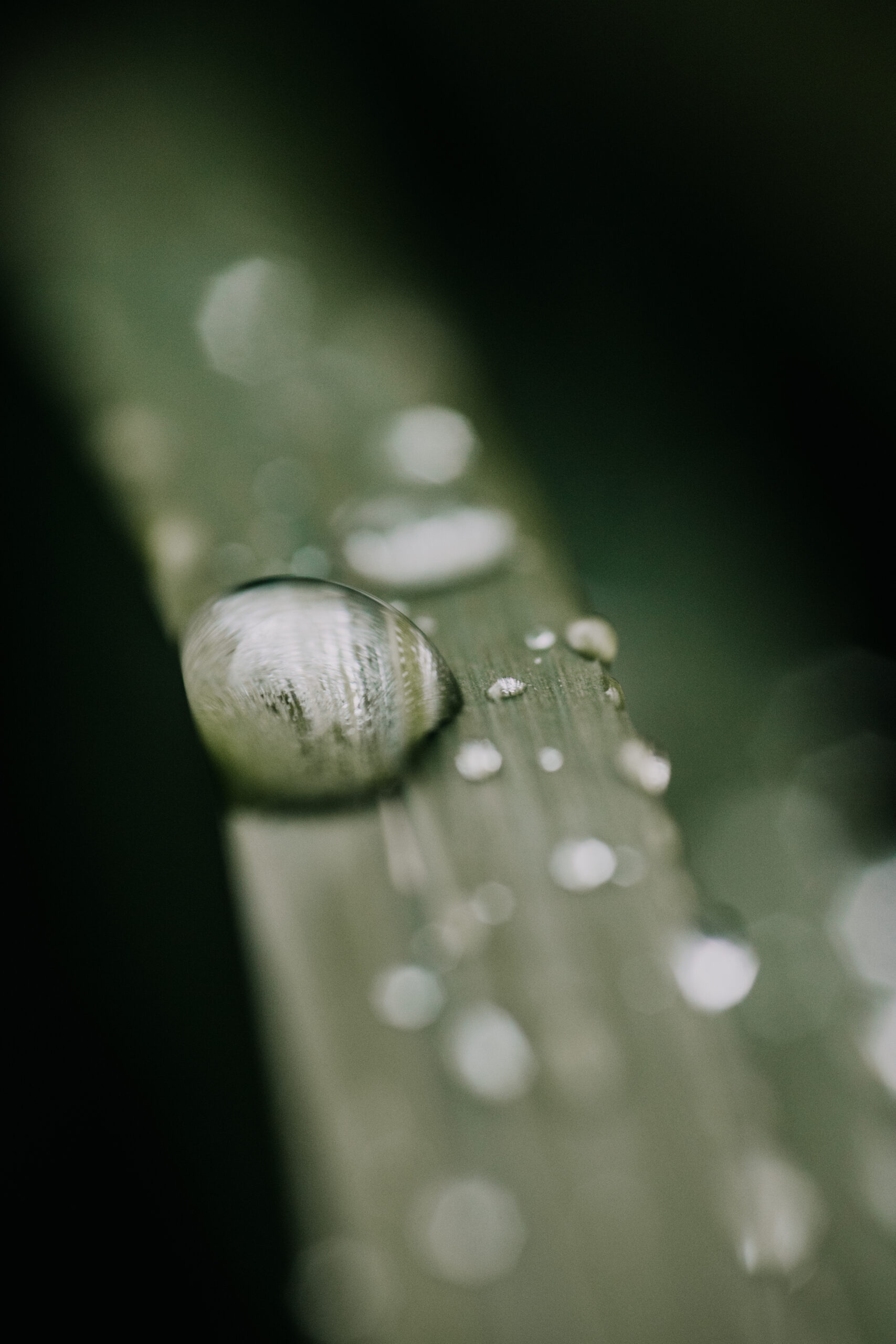
Photography also encourages empathy. When you photograph people, you start to see their stories. The small but significant moments remind you that everyone has their own battles and joys. It’s a humbling experience that broadens your perspective.
Learning to see from new angles doesn’t just change how you photograph; it changes how you live. It teaches you to find beauty in the mundane and to appreciate life’s fleeting moments.
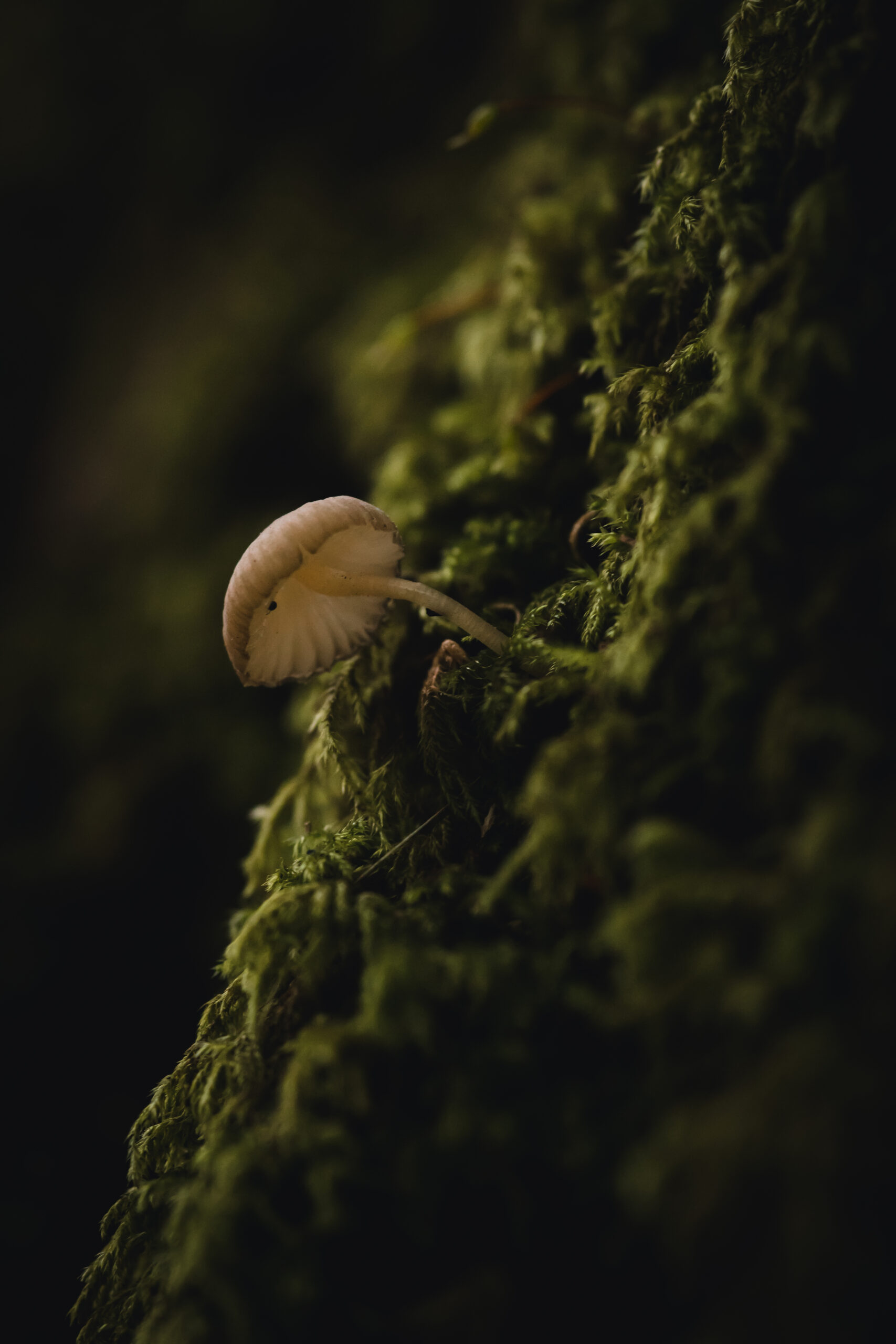
In fact, I once took my brother to the woods to look for mushrooms to photograph because mushrooms are life! He told me how much he enjoyed it because it forced him to actually pause, look down instead of just ahead and take notice of what was around him.
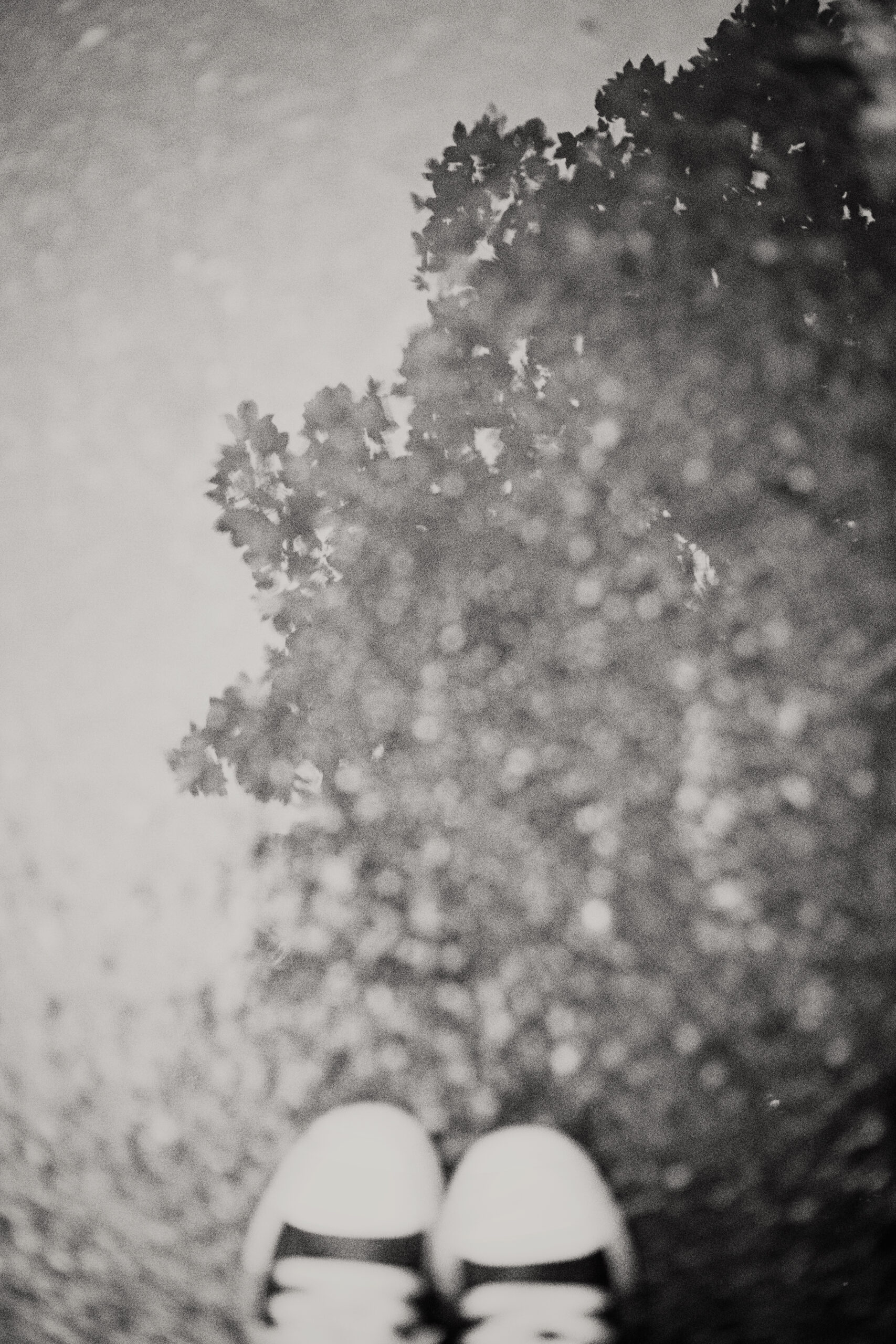
Photography as Mindfulness Practice
Mindfulness is about being fully present in the moment, and photography is a perfect opportunity for this.
Just like the mushroom hunting – when you’re immersed in taking a photo, your mind naturally tunes out distractions. You’re not worrying about the future or dwelling on the past; you’re simply focused on capturing what’s in front of you.
Walking with my camera has become a meditative ritual. I focus on my breathing as I move, noticing how the light shifts and changes. The act of composing a shot, which is a deliberate, thoughtful process, grounds me in the now.
Even editing photos later can feel like a calming practice because it brings you back to the moment. Although there isn’t much mindfulness in the editing snacks I end up consuming – so just don’t bring M&M’s to the desk.
How Photography Therapy Helps With PTSD
Living with PTSD is like carrying an invisible weight.
Flashbacks, intrusive thoughts, and hyper-vigilance can make everyday life exhausting. But photography has yet again, became an anchor for me when I needed it most.
When I’m out with my camera, I focus on tangible things that I can see and touch. The textures of leaves, pinecones, moss on trees. This act of observing the world pulls me away from the chaos in my mind and into the here and now.
Trust me, I end up romanticising everything. It feels good.
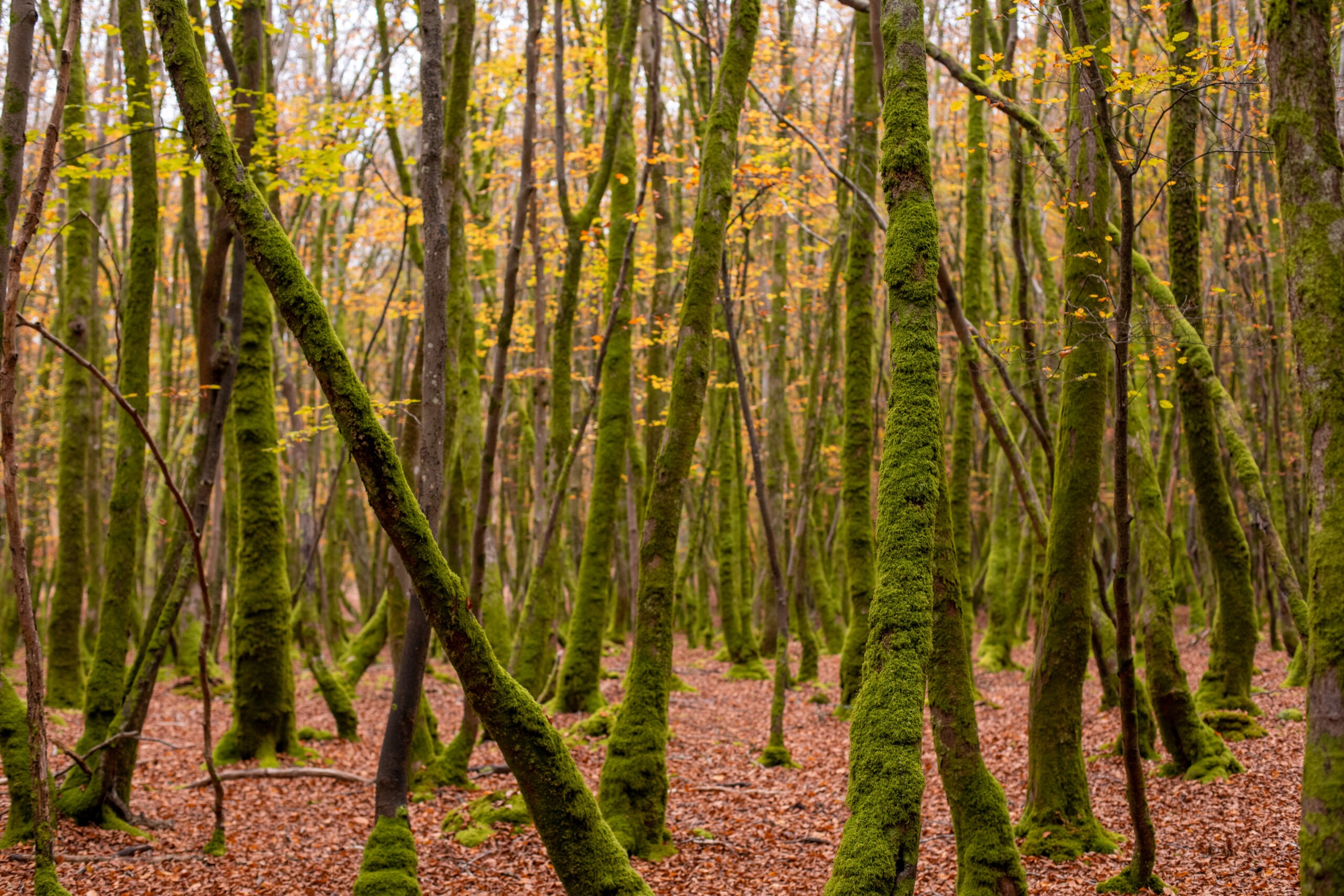
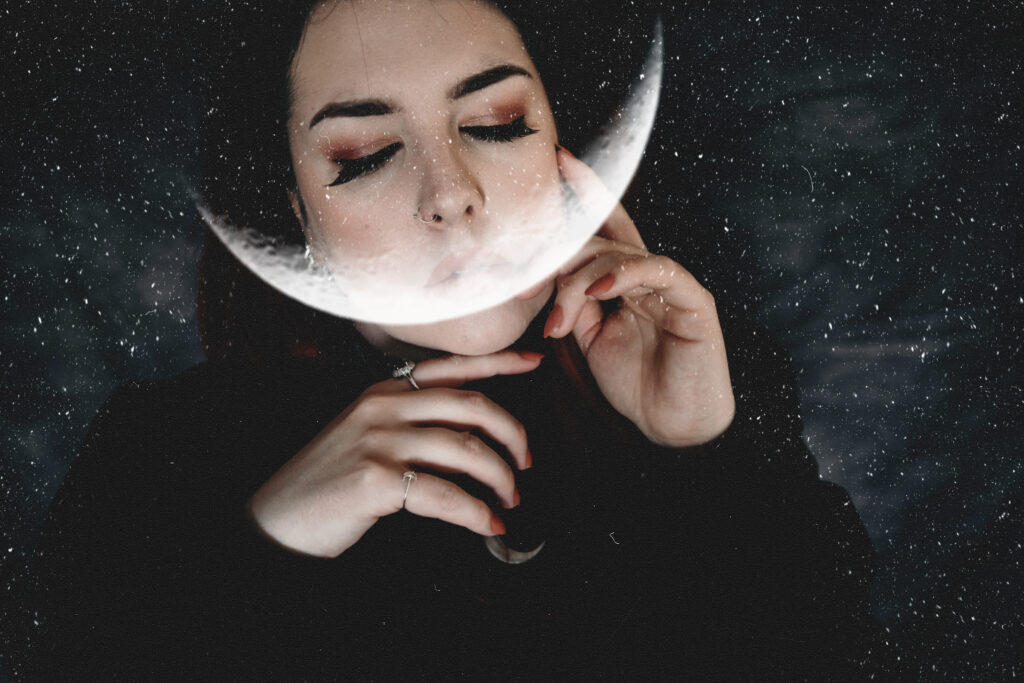
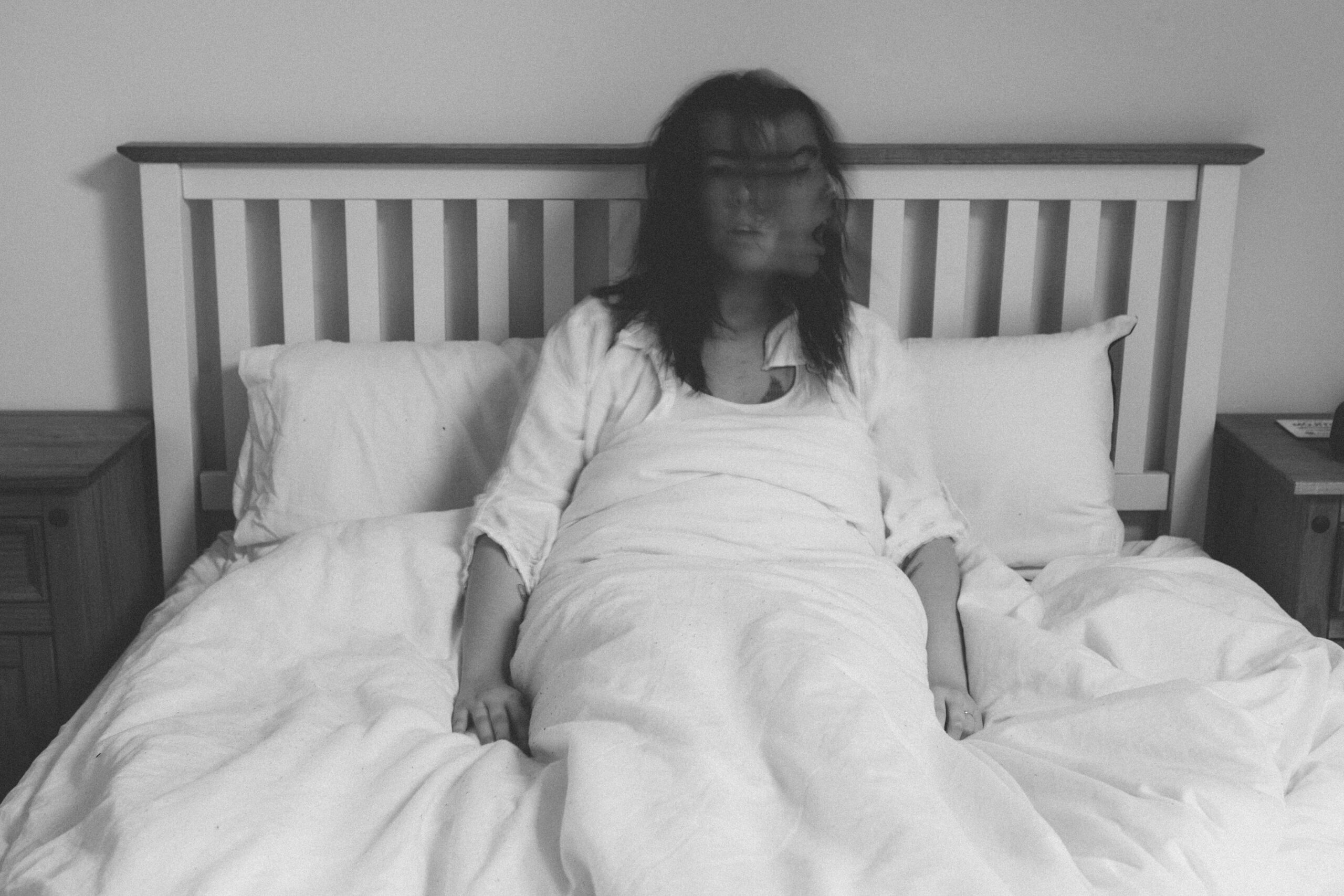
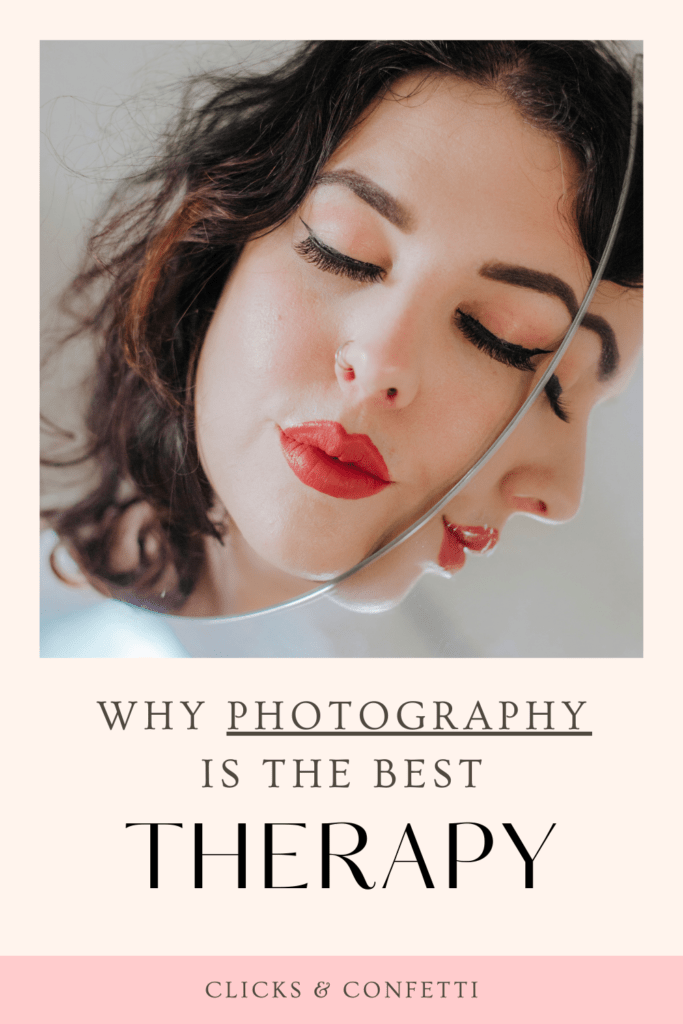
Photography also provides a way to process emotions that words can’t capture. After particularly tough times, I’d head out to photograph a self portrait. Somehow, telling my story through an emotive self portrait, helped me let go of some of it.
It would be therapy itself, just finding a photo idea so that the images represented the complexity of my feelings. This type of photography became a form of self-care, helping me work through my experiences before I could access actual therapy like EMDR and CBT.
Through photography, I’ve found moments of peace in the midst of turmoil. It reminds me that beauty still exists, even when life feels heavy.
And I’ve found many ways to express my anger, fear and flashbacks in a healthy productive way.
Photography Builds Confidence and Purpose
When I first started photography, I didn’t think I’d ever be proud of my work.
But as I grew more comfortable behind the camera, I began sharing my photos in online communities. The positive feedback I received boosted my confidence and gave me a sense of purpose. I also learnt to take constructive criticism without feeling rejected or embarrassed.
Photography also provides a sense of accomplishment. Whether it’s mastering a new technique, completing a photo project, or capturing a photo that you’ve always wanted to take. These milestones remind you of your growth. For someone struggling with mental health, these small wins are invaluable.
Connecting with Nature Through Photography
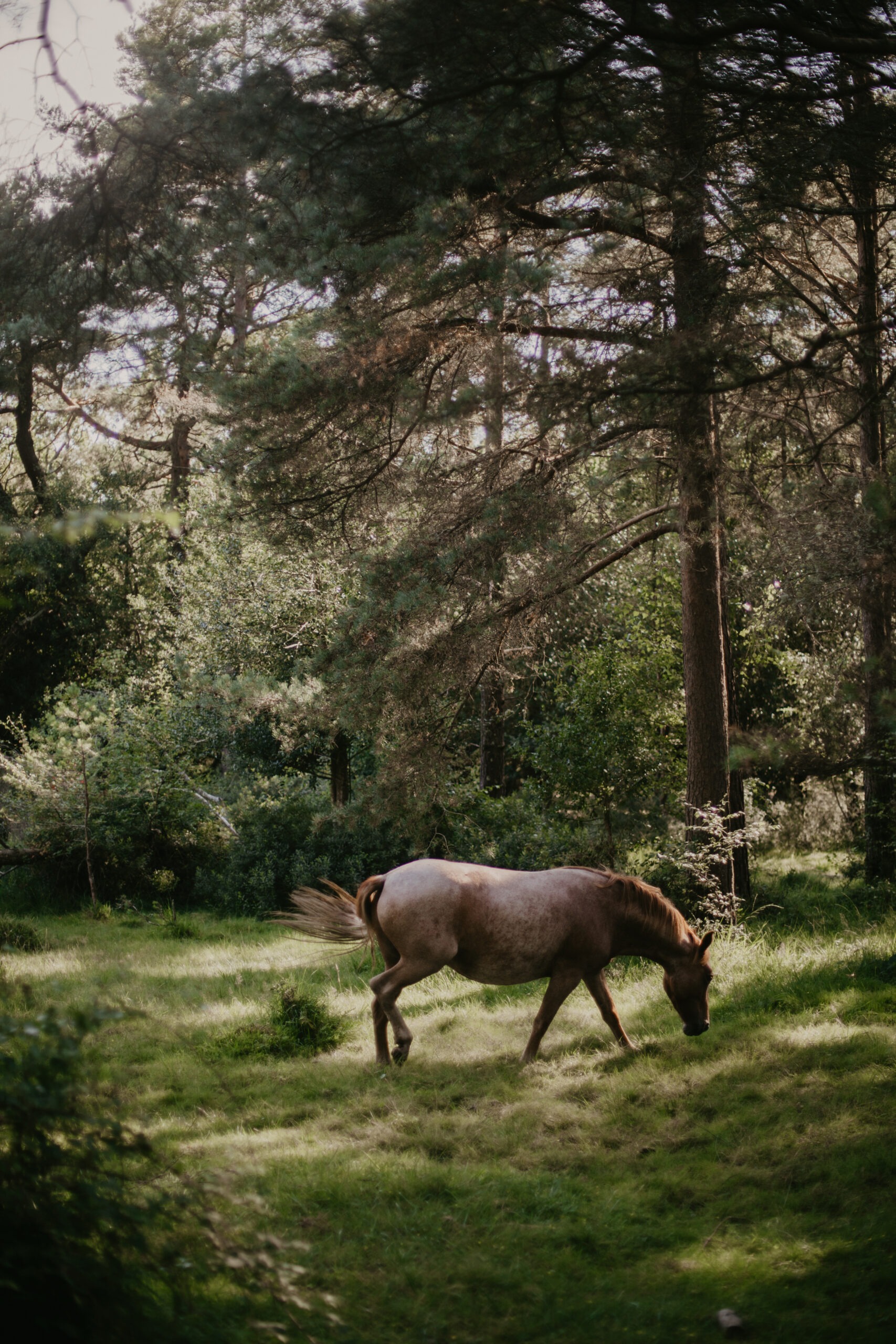
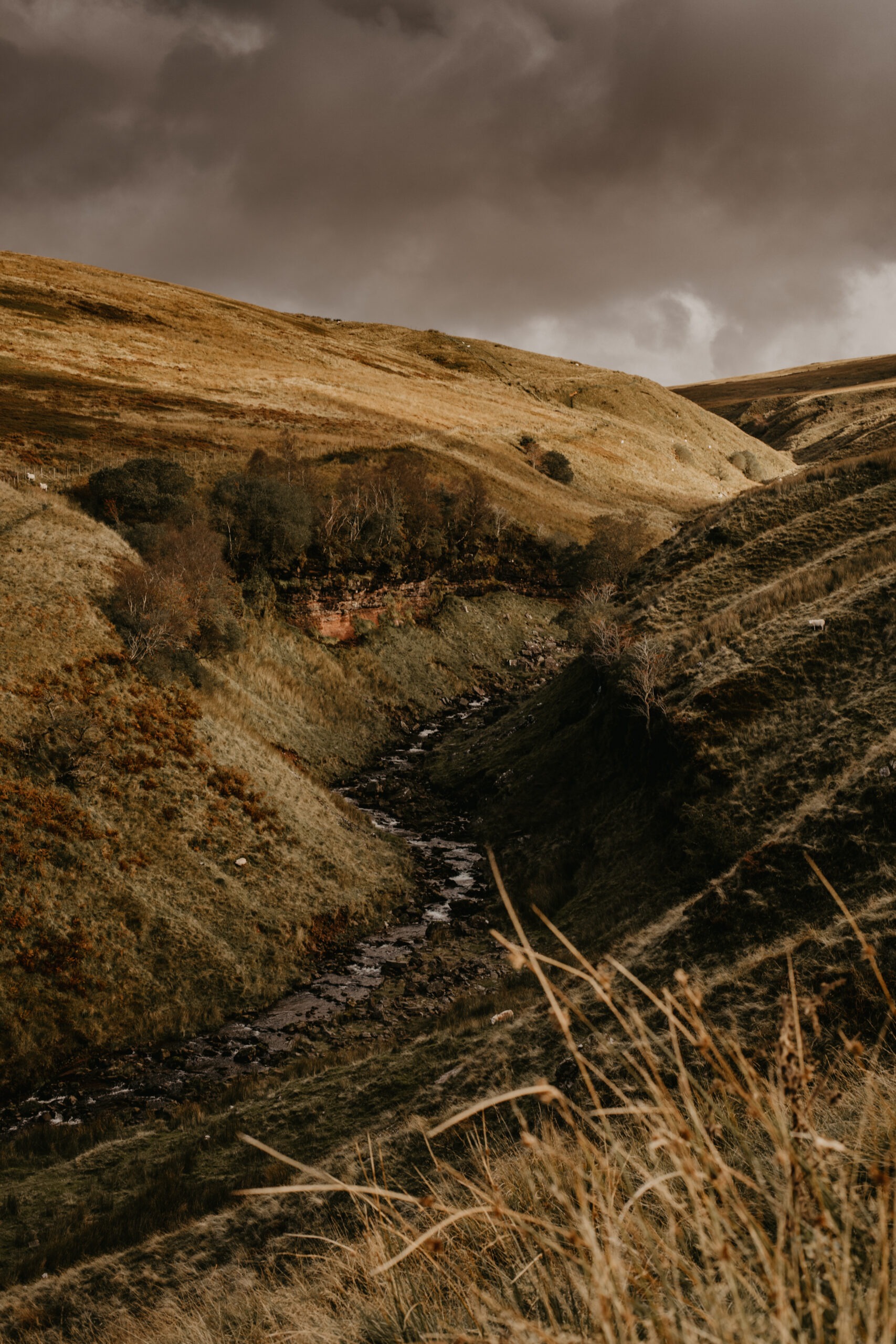
Nature photography has been particularly therapeutic for me. Especially when I head to the New Forest with my camera, it feels like a reset button for my mind.
The trees, mushrooms, wild horses and deer combined with the incredible landscape creates a powerful sense of peace.
Photographing wildlife, macro or landscapes has a way of deepening your connection to the natural world. You start noticing patterns in the seasons, the way light shifts throughout the day, how fungi grows etc. This connection reminds you that you’re part of something much larger, which can be incredibly comforting.
Tips for Using Photography as Therapy
- Start Small: Begin with a simple goal, like photographing the flowers in your garden.
- Carry Your Camera Everywhere: The best way to put your photography therapy into practise, is having your camera with you most of the time.
- Experiment: Try different genres, from macro photography to portraits. See what resonates with you.
- Create Photo Journals: Use your images to tell stories or document your emotions.
- Join a Community: Sharing your work with others can provide support, feedback, and inspiration.
- Set Challenges: Push yourself with photo challenges and projects.
- Be Kind to Yourself: Remember, it’s about the process, not perfect results.
How Can Photography Be Physically Therapeutic?
Photography is therapeutic in various ways other than simply boosting mindfulness. For people undergoing rehabilitation, the act of handling a camera and exploring different angles can help improve their fine motor skills and hand-eye coordination.
You’d also be surprised at how many steps you get in when you’re out with your camera. Due to having to pause and take photos however, you end up taking it slow and steady.
Anyone that has seen me taking photographs will tell you that I end up doing “photography yoga” because of all the stretches I end up having to do to get the correct angle. Even when I am struggling with my physical health due to endometriosis, taking photos is the driving factor for me to still get outside and move my body.
Moving your body along with your camera can also reduce stress. It all contributes to feeling better.
By setting achievable goals (like capturing a specific subject that you have to find or perfecting a new technique that involves being outdoors) photography can be a structured but fun path towards physical recovery.
Photography Therapy: Final Thoughts
Photography has been more than a hobby for me; it’s been a lifeline.
It’s helped me overcome social anxiety, navigate PTSD, and see the world (and myself) through a more positive perspective. Whether you’re looking for a creative outlet, a way to manage stress, or a less demanding physical activity, photography can be a powerful form of therapy. So give it a try and you might just find that it heals you in ways you never expected.
If you’re struggling with your mental health and need more urgent support, Mind offers some great resources to help you with your recovery.