
Emotion in photography is what transforms a technically good picture into a truly memorable one.
It connects the viewer to our subject and tells a deeper story.
Whether you’re shooting portraits or even landscapes, evoking emotion can set your work apart and make it resonate with your audience.
In this comprehensive guide, we’ll talk about the role of emotion in photography. You’ll be guided on how to capture it effectively. And I’ll answer some of the most common questions about emotion in photography.
What Is Emotion in Photography?
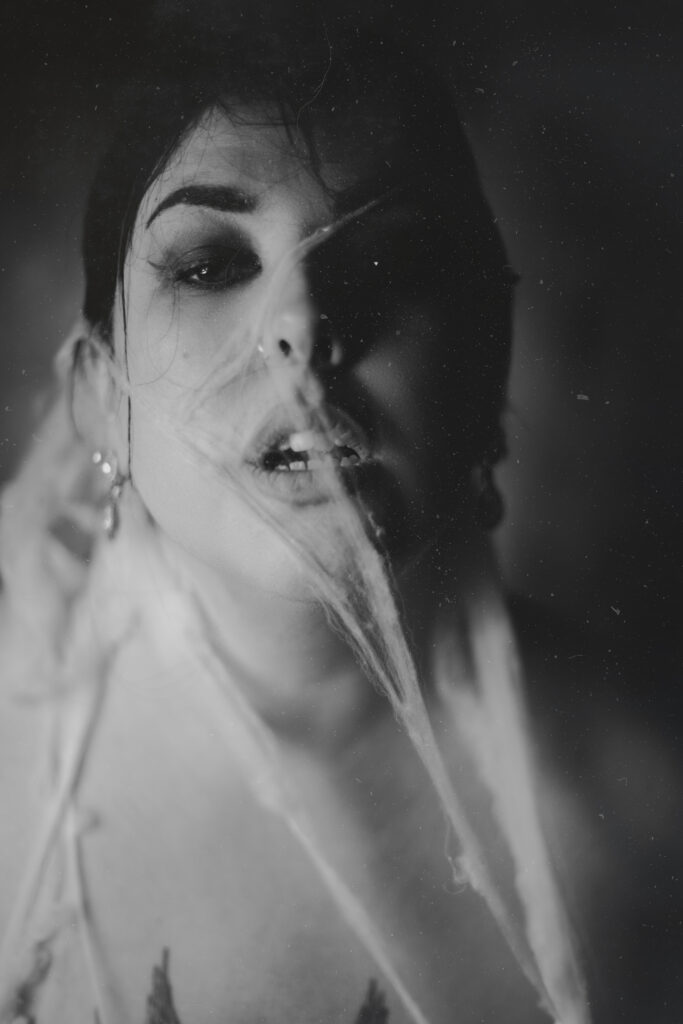
Emotion in photography refers to the feelings or mood conveyed through an image.
It might be joy, sadness, love, fear, or even a sense of wonder. A photograph with emotional depth engages the viewer on a personal level, stirring something within them.
Unlike text or speech, photography relies on visual elements – light, composition, colour, and subject matter – to evoke these emotions.
Understanding how to use these tools and go beyond them, is key to creating photographs that not only look beautiful but also tell a compelling story.
Why Is Emotion Important in Photography?
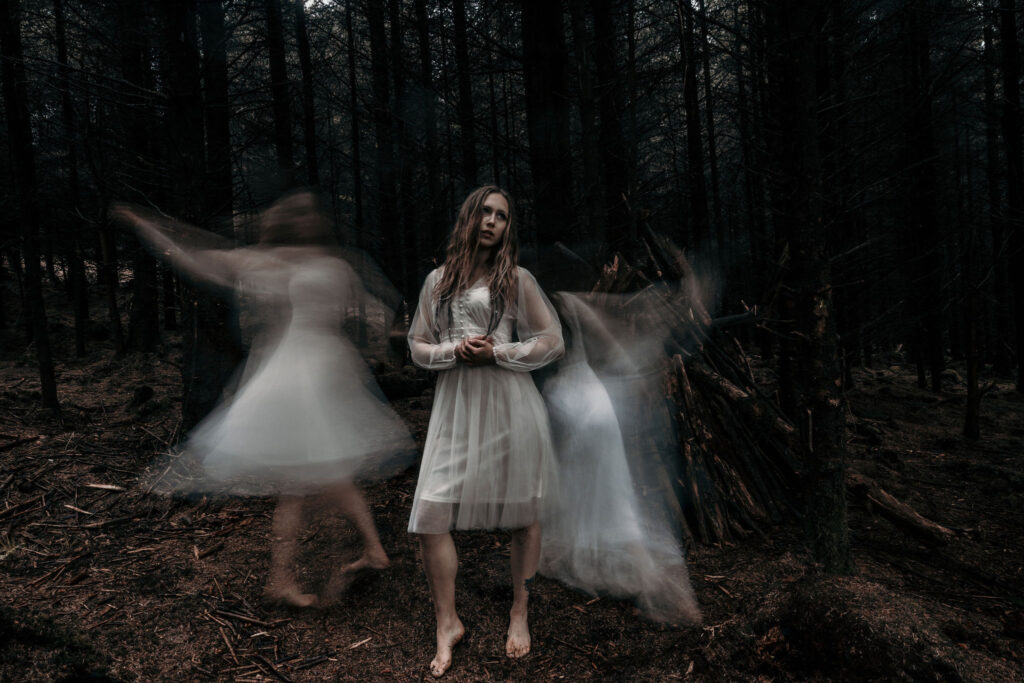
Emotion is what makes photography powerful.
While technical skills like exposure, focus, and framing are important, it’s the emotional connection that truly leaves a lasting impression.
Think about some of the most iconic photographs in history. They all resonate because they evoke a strong emotional response.
This emotional layer also allows the photographer to express themselves more fully. Through their images, they can communicate their own feelings or tell a story they find meaningful.
My Experience With Emotion in Photography
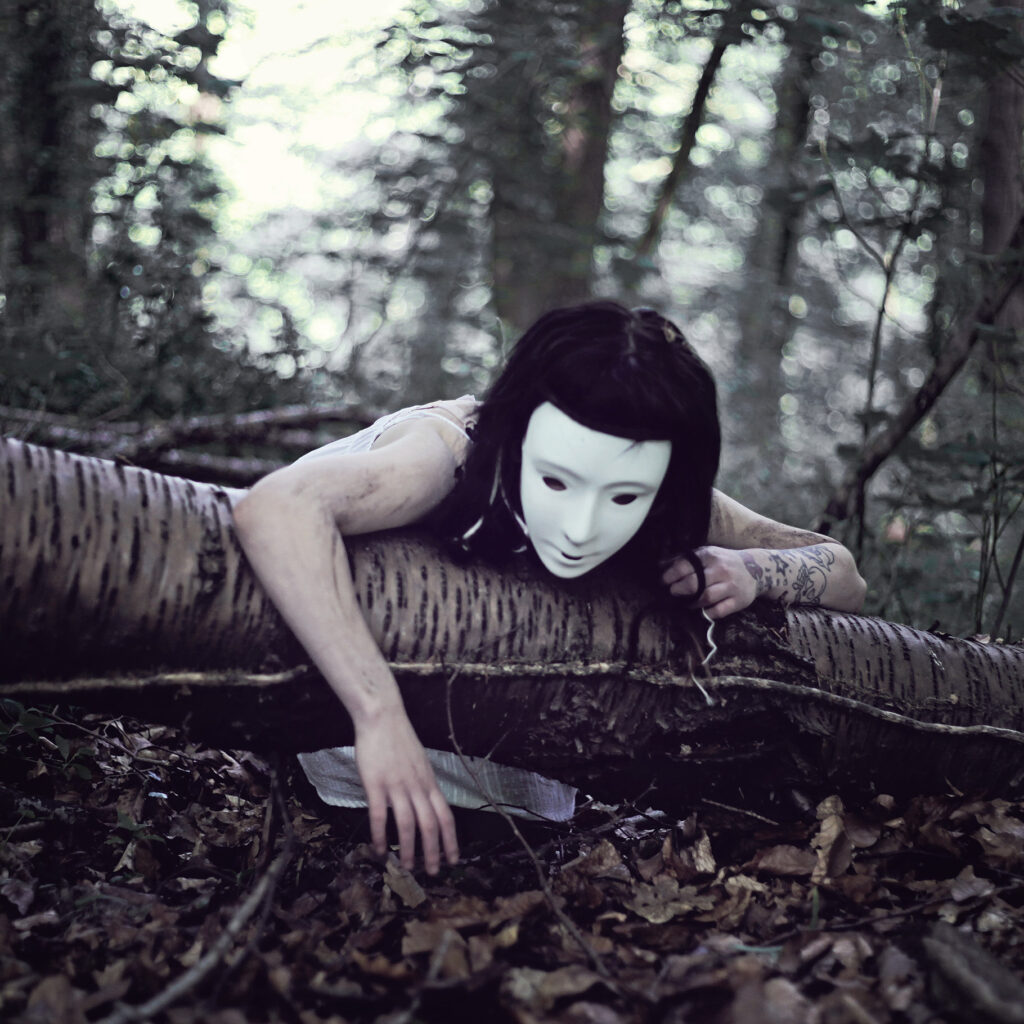
Emotion in photography has become a profound outlet for me. Particularly through my self-portraits.
As a horror photographer, I’ve found that capturing raw, unsettling imagery allows me to explore the darker aspects of my own emotions. It helps me deal with PTSD and anxiety.
These projects are a form of therapy, a way for me to confront and externalise the feelings that often feel too overwhelming to express with words.

By creating these eerie and sometimes disturbing scenes, I channel my inner turmoil into something visual and tangible.
The process of creating these images is cathartic, offering me a sense of control over my emotions while also transforming my personal struggles into art.
Through the lens, I’ve learned to express parts of myself that are often hard to access, and in doing so, I’ve discovered a kind of emotional healing through photography.
How to Capture Emotion in Photography

Understand Your Subject
The foundation of emotional photography begins with understanding your subject.
Whether you’re photographing a person, a place, or an object, ask yourself: What is the story here? What feelings do I want to convey?
For instance, if you’re shooting a portrait, spend time getting to know the person. What are their emotions at that moment? If you’re capturing a landscape, consider what mood the scene evokes. Is it tranquillity, nostalgia, or even melancholy?

Use Light Creatively
Light is one of the most powerful tools in creating emotion.
Soft, diffused light can convey peace, while harsh, directional light might evoke tension or drama.
For example, golden hour lighting – just after sunrise or before sunset – adds warmth and intimacy to your photos.
Conversely, low-key lighting with deep shadows can create a mysterious or sombre mood.

Pay Attention to Colour
Colour has a profound effect on how we perceive emotion in photography.
Notice that when you’re watching a TV show and the characters have a flashback to a bad memory, how has the colour grading changed?
Bright, vibrant colours often evoke happiness and energy, while muted tones or monochrome images can feel more reflective or serious.
For instance, a portrait with cool tones like blue and grey could communicate bleakness, or isolation.

Focus on Expressions and Body Language
When photographing people, expressions and body language are central to capturing emotion.
Their body language, facial expressions and poses can reveal what they are feeling.
What do you want the viewer to understand about the person you are photographing?
Here’s an example:

Sometimes though, candid moments – when the subject isn’t overly aware of the camera – are the most emotionally powerful. In this case, you’ll want to create an environment that you’re subject is comfortable.
Incorporate Context
The context of a photograph can dramatically amplify its emotional intensity.
I am always having to incorporate context in my horror photography.
A shadowed figure in a mask with glowing eyes might unsettle people, but placing that figure in an otherwise everyday place, gives the image a chilling narrative. The environment deepens the fear because the horror is unexpected, creating a story that lingers in the mind long after the image is seen.
Adding elements of the environment that support the emotion you want to convey can profoundly enhance the impact of your photograph. This will help to draw viewers into the story you’re telling. These details, whether subtle or bold, serve as visual cues that amplify the mood and context.
For instance, in a introspective portrait – including a rainy window or dead flowers can add layers of meaning. These environmental elements invite viewers to immerse themselves in the scene, making the emotion not just visible but palpable. Bridging the gap between the subject and the audience on a deeper, more emotional level.

Questions About Emotion in Photography
What emotions can photography capture?
Photography can capture a wide range of emotions, from happiness and love to sadness and anger. It can also evoke more abstract feelings like nostalgia, wanderlust, or awe.
How can I make my photos more emotional?
To make your photos more emotional, focus on storytelling. Think about the mood you want to create and use light, colour, and a concept to support it. Spend time observing your subject to find moments that feel authentic and powerful. Or create a character or story that embodies the emotion you want to capture.
Does black and white photography evoke more emotion?
Black and white photography often simplifies the scene, stripping away distractions and focusing on the subject’s raw emotion. By removing colour, it can make facial expressions, textures, and light stand out much more. This is often why black and white can enhance the emotional impact of a photograph.
And because of this, I am an absolute sucker for a black and white photo.
Is emotion in photography subjective?
Yes, emotion in photography is incredibly subjective. While certain techniques can guide viewers toward a particular feeling, everyone brings their own experiences and perspectives to an image. What might conjure up sadness for one person could remind another of resilience or hope.
That is the beauty of emotive photography in my opinion. That each viewer can take something from it, regardless of the intent.

Examples of Emotion in Different Types of Photography
Portrait Photography
In portrait photography, emotion is often conveyed through facial expressions, body language, and eye contact.
For example, a close-up shot of a child’s face, with a cheeky smile, can instantly connect with the viewer. Or a wedding photograph of a couple laughing while holding each other, instantly shows you how much they love each other.
To capture natural emotion in portraits, spend time building a rapport with your subject. The more relaxed they feel, the more genuine their expressions will be.

Conceptual Photography
Sometimes a theme or a concept might bring certain emotions out in a portrait photoshoot. Often using a certain location, props and costumes.
The entire purpose of conceptual photography is to tell a story. Which is why it lends itself so well to conjuring up emotions.

Landscape Photography
Emotion in landscape photography often comes from the mood that is being set.
A mountain landscape with a cloud inversion might make you feel wanderlust. While a colourful sunset over the ocean could make you feel calm and at peace.
Use weather conditions, lighting, and composition to amplify the emotion of the landscape. Colours also play a massive part.

Street Photography
Street photography thrives on candid moments that reveal human emotion. Whether it’s a couple embracing in a busy city square or reactions to a street performer, these moments tell authentic stories.
Pay attention to the small details of everyday life – expressions, interactions, and even contrasts between the subject and their surroundings.
Abstract Photography
Emotion in abstract photography often comes from colour and texture. By focusing on these elements, you can bring up feelings without needing a specific subject. For example, soft, blurred lines might feel calming, while jagged shapes and high contrast might feel intense or unsettling.

Challenges of Capturing Emotion in Photography
Capturing emotion isn’t always easy.
Sometimes, it’s hard to connect with your subject, or the environment doesn’t lend itself to the mood you want to create.
Additionally, staging emotion can feel forced or inauthentic unless you have an incredible set up.
To overcome these challenges, be patient and adaptable. Find out what does and doesn’t work with experimentation. After all, learning photography is a ton of trial and error.
Tips for Enhancing Emotional Impact in Your Photos

Build a Connection With Your Subject
Whether you’re photographing a person or a place, take the time to connect. For people, this might mean having a conversation or sharing a laugh before the shoot. For places, it might mean spending time exploring and observing the environment.
Even on my horror shoots – where the subject has to be scary – we have a laugh before and during the shoot. This ensures that the person I’m photographing is comfortable. It also helps creating naturally emotive moments because they aren’t feeling awkward.

Be Present in the Moment
Sometimes, the best emotional photographs come from moments of pure observation. Put down your preconceived notions and allow yourself to respond instinctively to what’s happening around you.
Experiment With Editing
Post-processing is another tool for enhancing emotion.
Adjusting the colour can help amplify the mood you’re trying to bring to the image.
If you’re not sure how to edit your photos for the right mood – you could try messing around with some Lightroom Presets first.

Final Thoughts on Emotion in Photography
Emotion is the heart of photography. It’s what transforms an image from a simple record of a moment into something that resonates deeply with its audience. By understanding your subject and focusing on storytelling, you can create photographs with genuine soul.
While technical skills are essential, remember that photography is ultimately an art form.
Allow yourself to feel the moment, and your images will naturally reflect that emotion.
Go and look for the stories, the feelings, and the fleeting moments that speak to you.
With practice, patience, and an open mind, you’ll find yourself creating photographs that are as meaningful as they are beautiful.