
Conceptual self portrait photography is not just about taking a really flattering headshot and calling it a day.
It’s about communicating a specific idea, sparking an emotion, or telling a story. YOUR story.
They let you step beyond typical self portraits and dig into something that feels genuinely personal and, at times, a touch unsettling (in a good way).
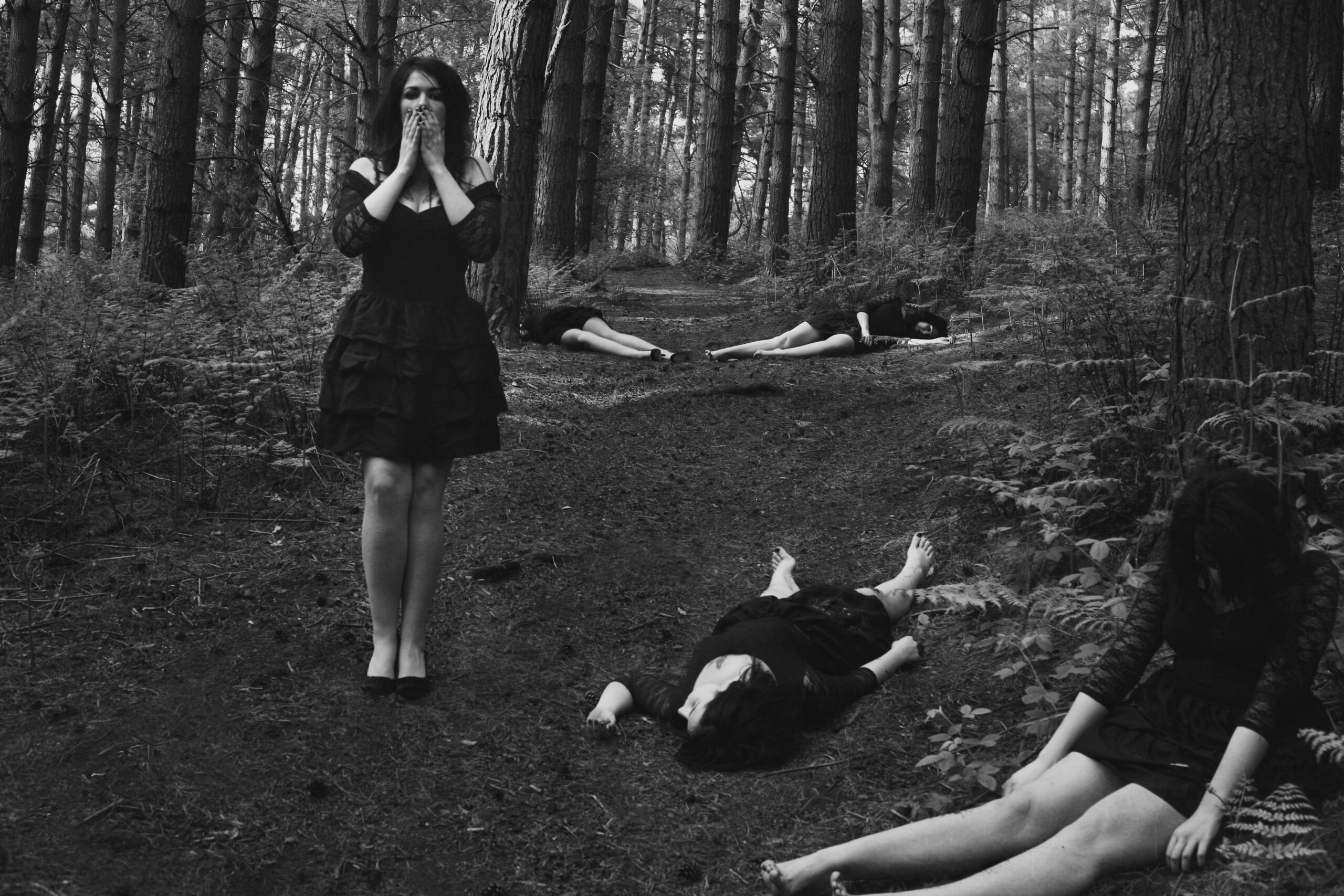
In this post, I will walk you through the essentials; how to shape your initial ideas into something worth capturing, how to set up and shoot the thing.
As well as some ideas you may not have considered yet.
Think of it as a practical guide with a hint of a nudge, so you can finally stop theorising and actually crack on.
After all, there is no sense in letting your big ideas gather dust. Let’s take a look at how you can bring them to life.
What Does Conceptual Self Portrait Photography Mean?
Conceptual photography is essentially art built around an idea or concept. It is not just about capturing a quick moment or a pretty image; it focuses on expressing something deeper, whether that is a story, an emotion, or a message.
Think of it as visual storytelling with a bit more substance.
Unlike documentary or straightforward portrait photography, conceptual work relies on elements that make people pause and question what is really going on.
That could mean using props, creative lighting, intense poses, or even surreal editing to create a sense of another world.
It doesn’t need to be complicated, but it does need to provoke some thought. If people look at your photo and start asking questions, you have hit the mark.
With conceptual photography in self portraits, this idea becomes even more personal.
You are both the subject and the storyteller, so a conceptual self portrait is more than a snapshot of your face. It is art that reflects your ideas, thoughts, or emotions and invites viewers to share in the story you are telling.
How Do I Come Up with Concepts for My Photography?
This step can be a bit of a stumbling block, and it is where a lot of people get stuck. Coming up with a good concept is similar to brainstorming for any creative project. It is not always straightforward, and it takes a bit of patience. Here are some ways to nudge your brain into action:
1. Think About What Matters to You
The best ideas usually come from what you are passionate about or what has been nagging at you lately.
It could be personal challenges, current events, relationships, mental health, or even more abstract ideas like time and identity. If you focus on subjects that genuinely resonate with you, your work will feel more authentic and hit harder.
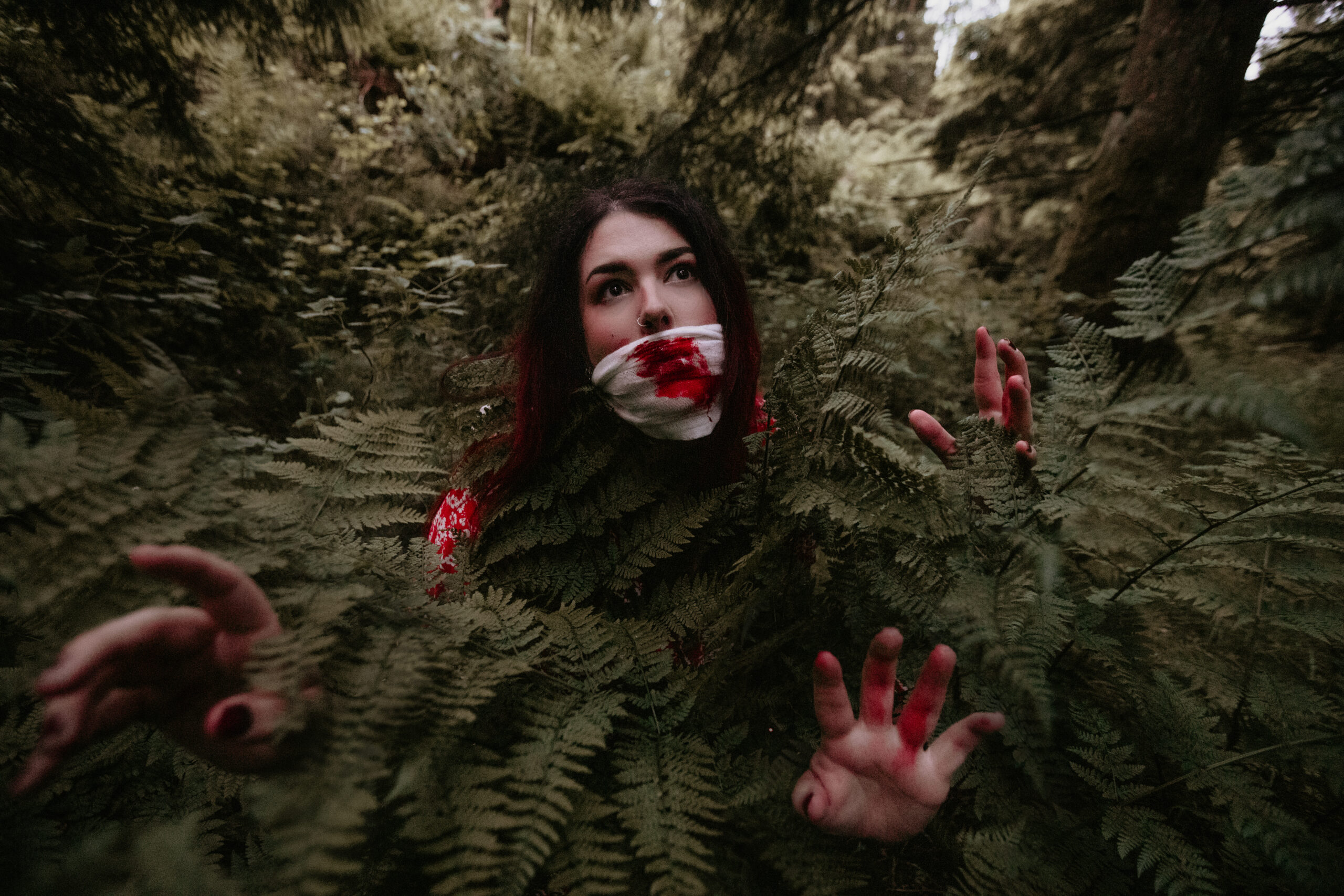
My current conceptual self portrait series is all about my struggles with PTSD.
2. Dig Into Your Emotions
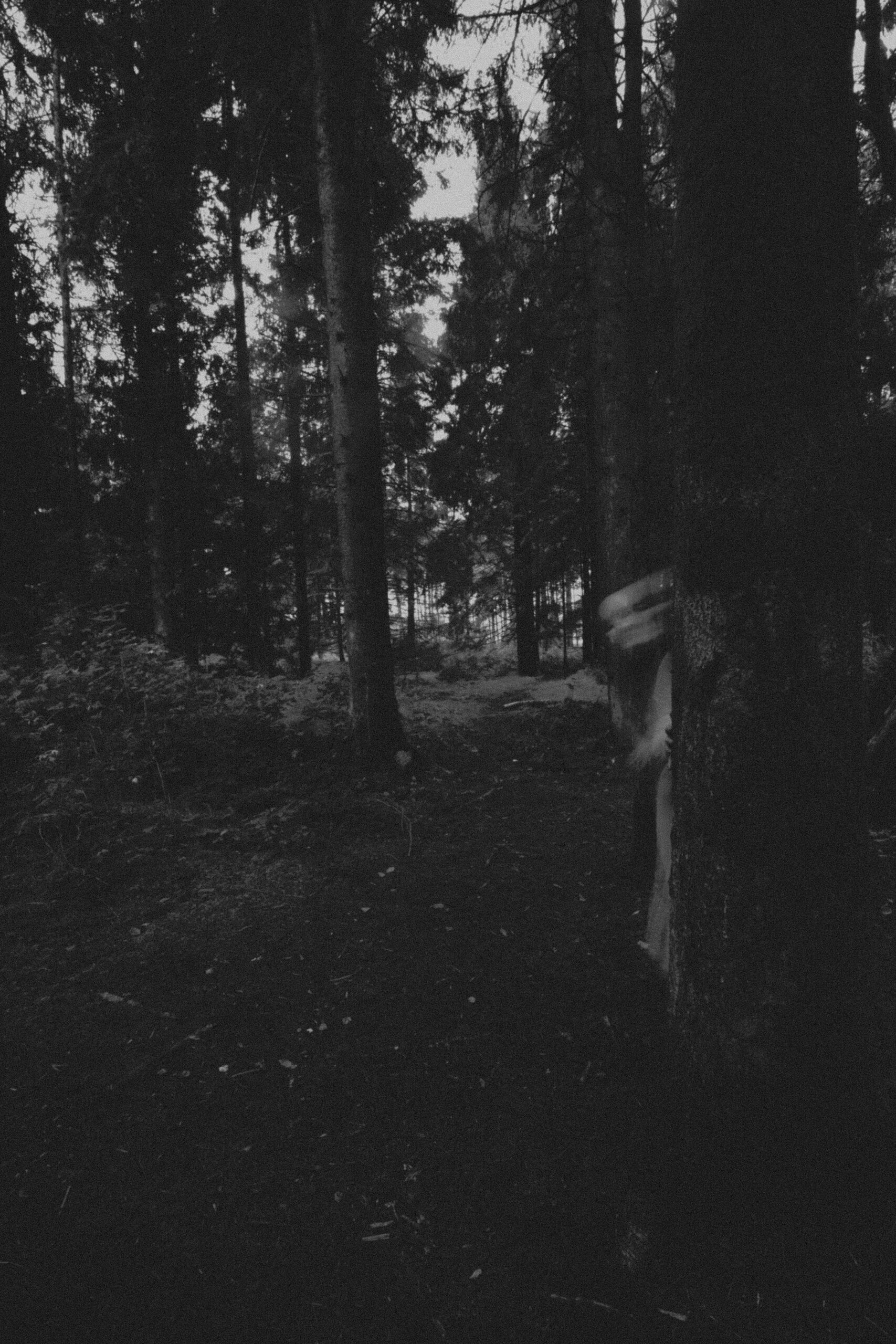
Most great conceptual self portraits are driven by strong emotions like sadness, joy, anxiety, curiosity. Start by asking yourself how you are feeling or explore an intense emotional experience you have had.
Emotions carry weight, and they often come across well in photography. Here’s a guide on using emotions in photography.
3. Use Symbols and Metaphors
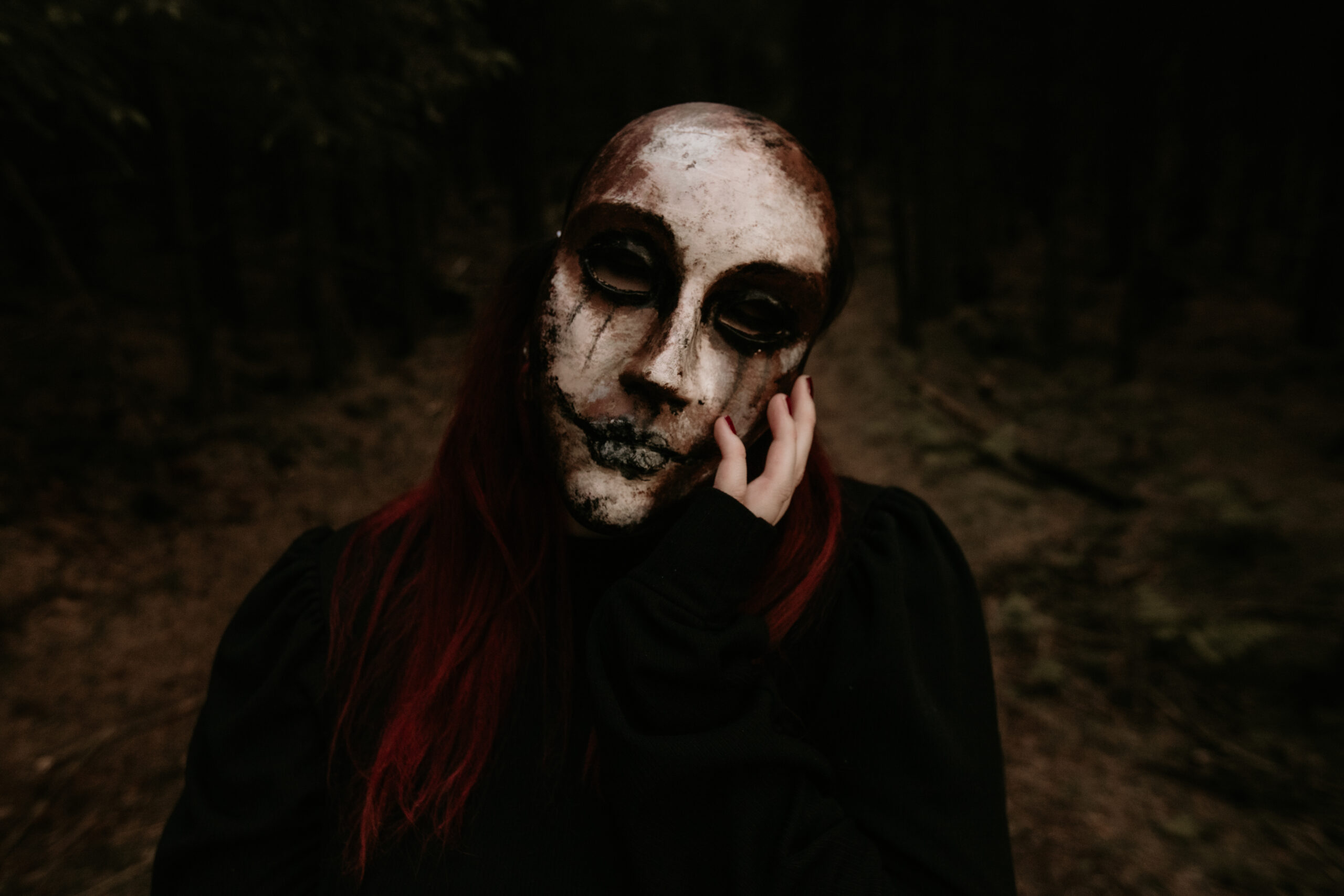
Conceptual self portrait images often become stronger when you incorporate symbols or metaphors.
Think about using objects or settings that represent something bigger.
A broken mirror might represent self-image issues, a mask might portray the need to hide something, a pile of clocks might represent time slipping away. Symbolism can make a simple photo look more profound.
4. Look to Art, Movies, and Literature
Other forms of art can inspire your conceptual self portraits.
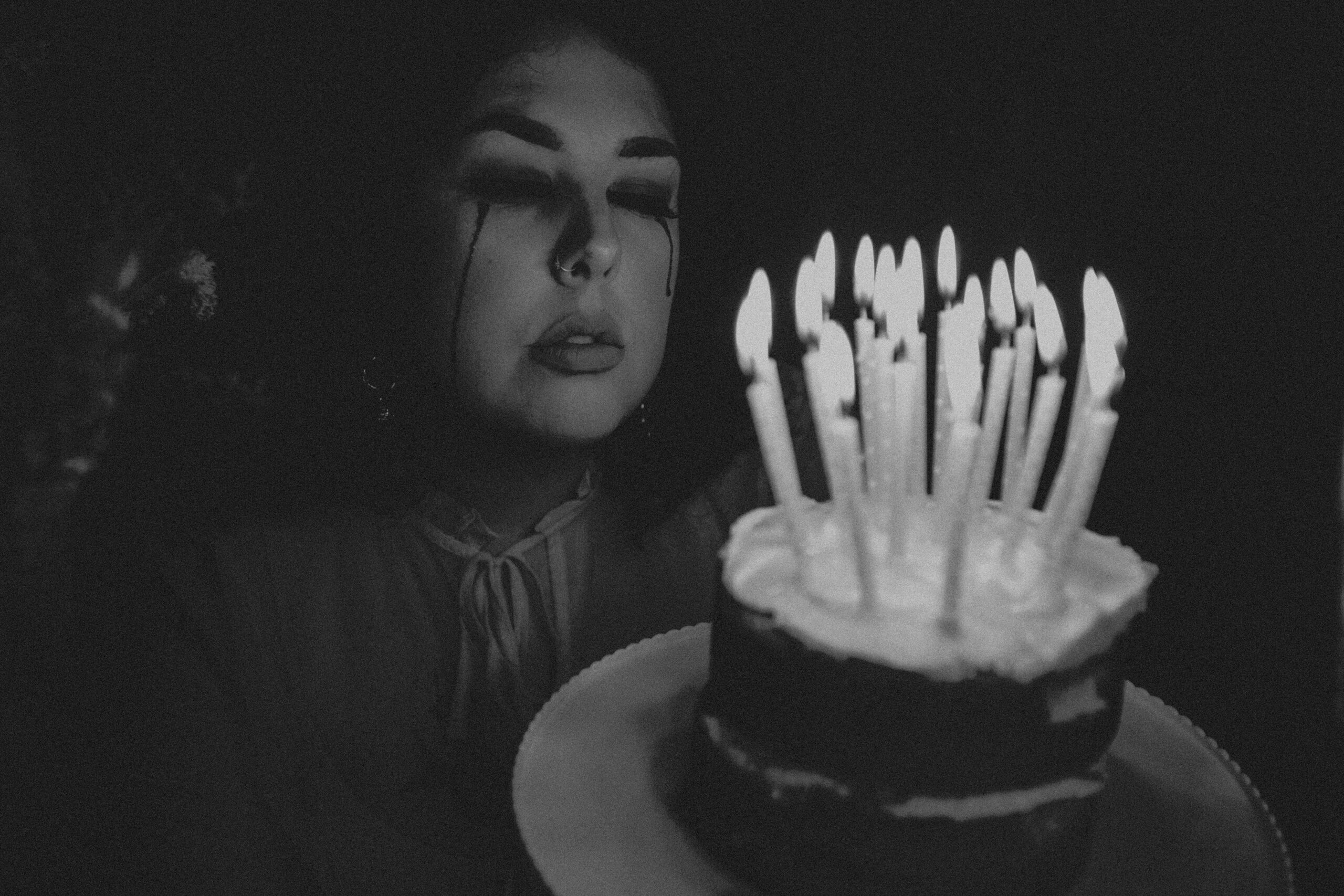
Films, books, music, and visual art are all full of ideas that might spark something in you. There’s nothing wrong with using other art forms as inspiration, as long as you make it your own.
My inspiration often comes from horror movies and song lyrics.
5. Run With It
Sometimes, the best ideas come from just being spontaneous and seeing what comes up.
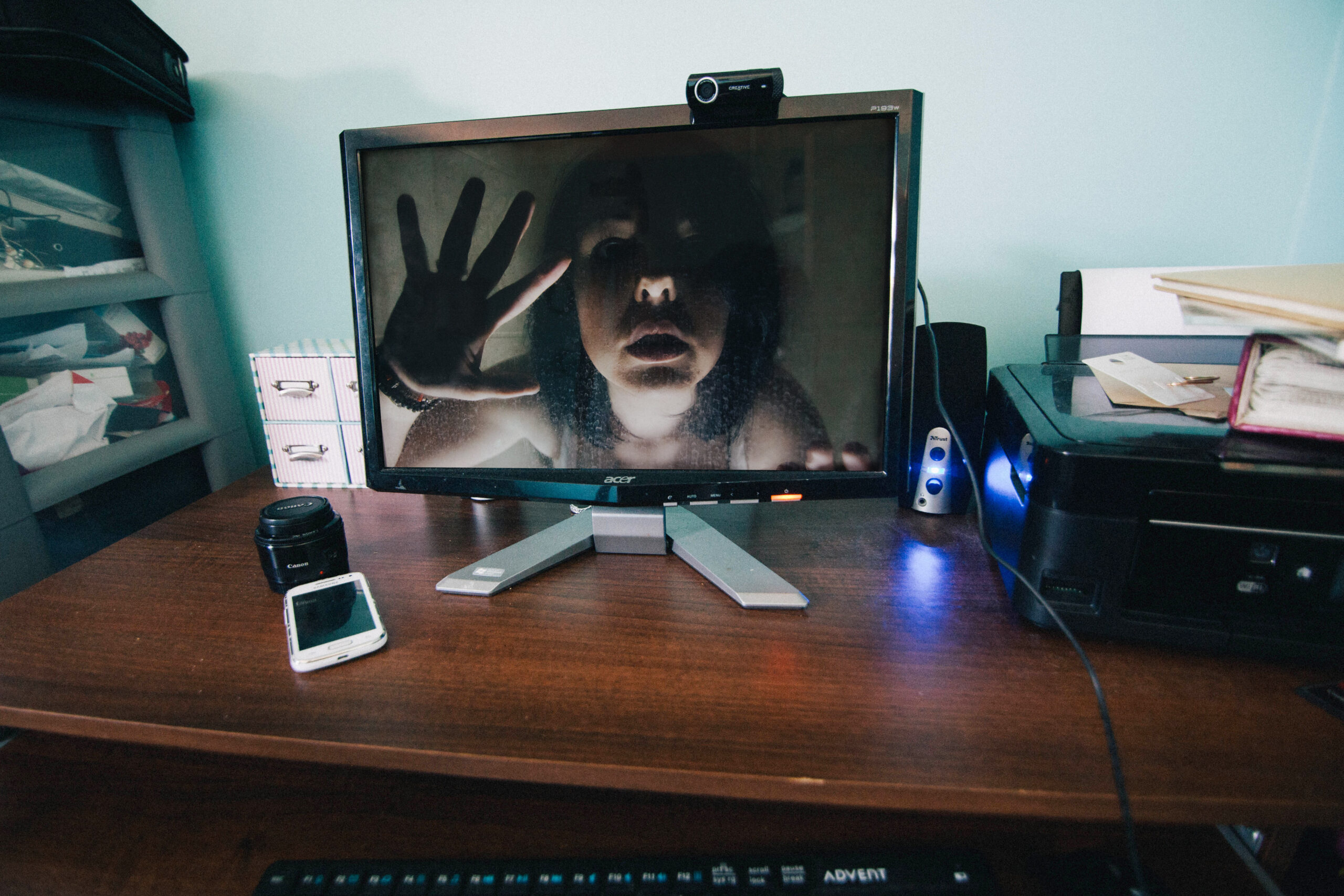
You might start with a basic idea or prop/costume and then roll with it. Whatever comes up in the photoshoot, just try it and see how it turns out.
Don’t worry about making it “perfect” or “logical.” Some really great conceptual self portrait photos are puzzling, or even unsettling.
How to Turn Your Conceptual Self Portrait Ideas into Photos
Once you have an idea, it’s time to make it real.
Here’s a breakdown of the process:
1. Visualise Your Conceptual Self Portrait
Close your eyes and imagine what the photo will look like. Try to get a clear picture of the setting, the colours, the props, and your pose.
If you’re more of a practical planner, sketch it out or write down the details. I personally love a good shot list.
2. Choose a Location and Props/Costumes
The location and props can make or break a conceptual photo.
For example; If your concept is about joy and fun, then a colourful background will add to your image.
If it’s about something more dark and gritty, then obviously that type of setting won’t work but a location that looks derelict might.
Props and costumes are also key. They should fit the concept and add depth to the image, not distract from it.
If your concept is from another era or is meant to be timeless, then the last thing you want to do is wear your smart watch and have modern make-up on. If you get the details right, it’ll tie your concept together much better.
3. Think About Lighting
Lighting is usually the biggest factor in setting the mood.
For something dramatic, try using harsh shadows or a single light source.
For a softer image, natural light or diffused lighting works better. Play around until you get the feel you want.
4. Use Posing and Expression
Since it’s a self portrait, your pose and facial expression are your main tools for conveying the concept.
Look at these two examples:
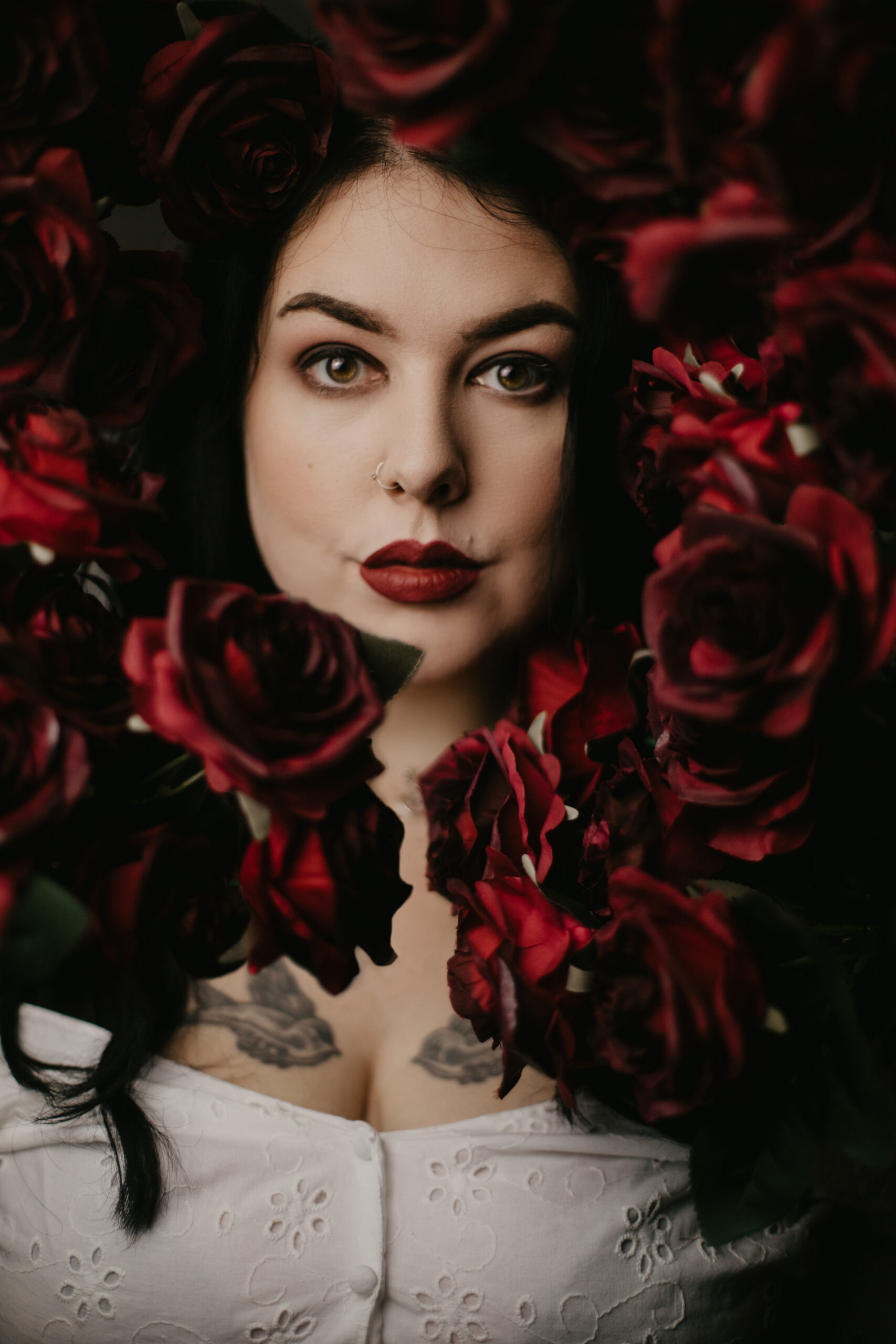
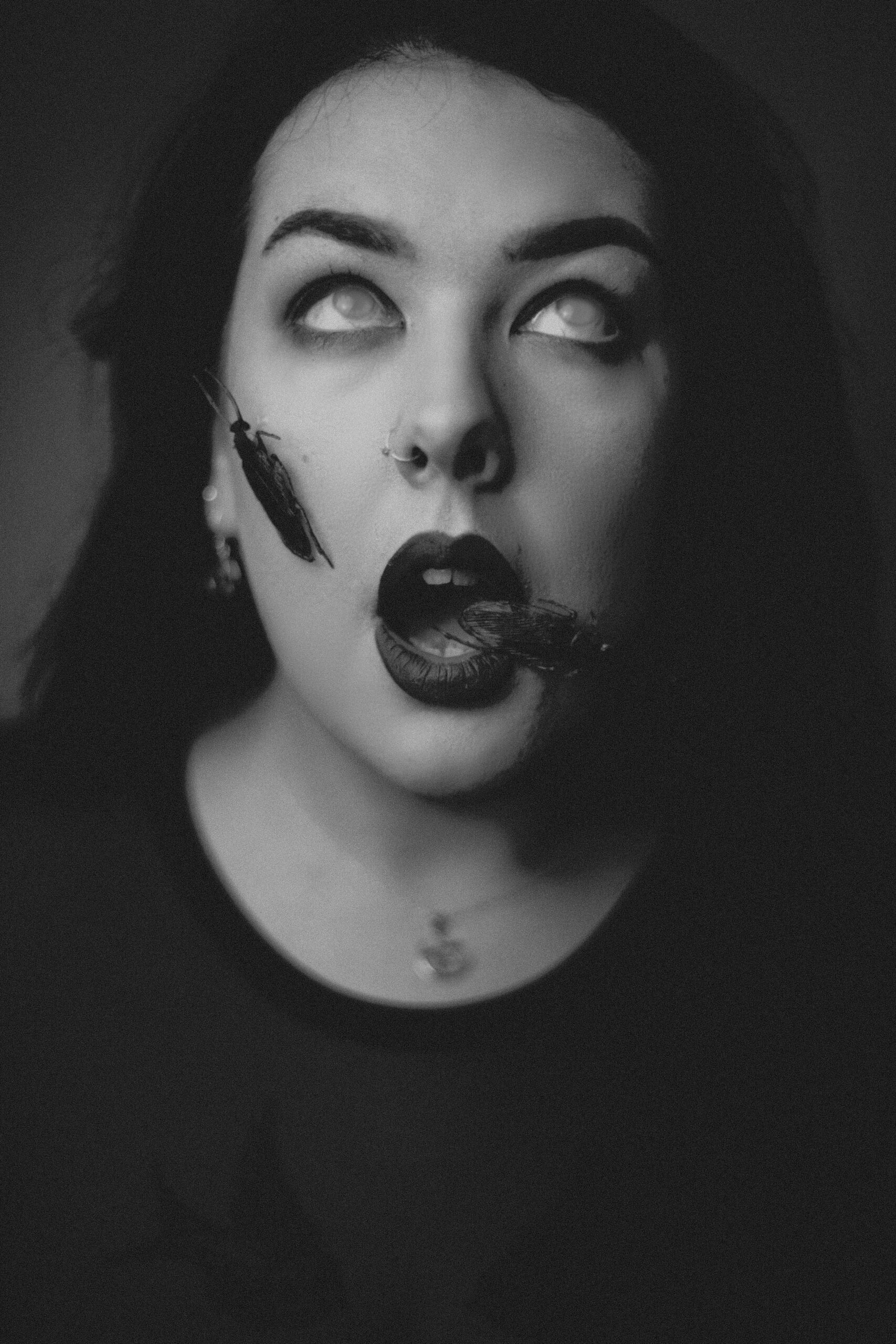
These two images were taking in the same set of photos with two different themes in mind and two completely different expressions.
Don’t be afraid to try out different poses and facial expressions until you get one that fits.
5. Experiment with Editing
Editing in conceptual self portrait photography can be super important the overall feel of your images.
You can use photo editing software such as Adobe Photoshop to add surreal effects, alter colours, or blend multiple images together.
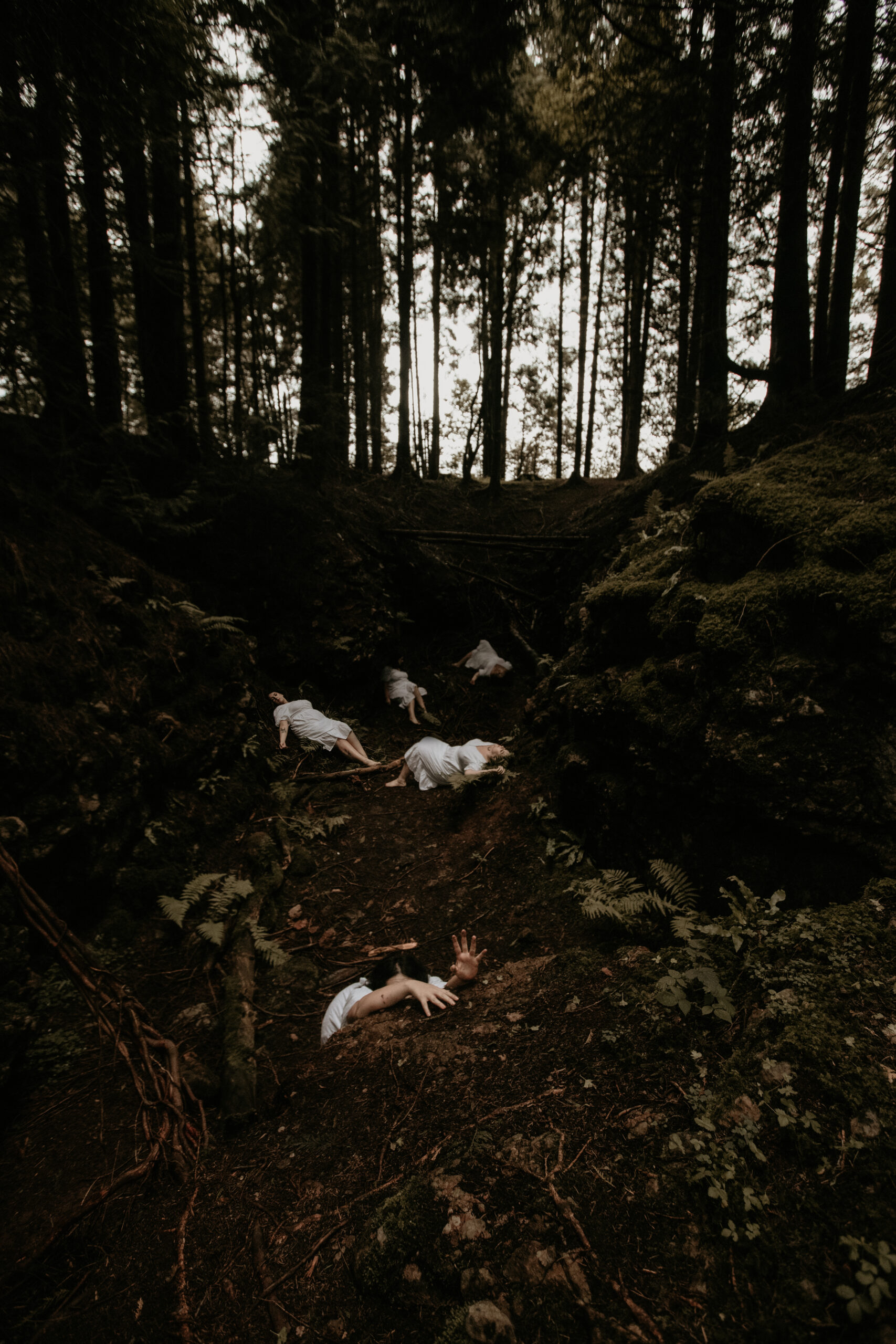
You might notice that in a lot of my conceptual self portrait horror photography, I blend multiples images of myself in Photoshop to create one surreal picture.
Maybe you want to place yourself in a dream/nightmare, or maybe you want to blur certain parts of the photo to symbolize confusion or fading memory.
Conceptual Self Portrait Photography Ideas
Need a little inspiration? Here is a list of some conceptual self portrait photography ideas.
These are just ideas to get you thinking. Remember, your concept should feel unique to you, so try to expand on it with your own twist.
Grief
- Photograph yourself holding something that belonged to someone you’ve lost.
- Sit in their chair, their spot, the place they used to be.
- Capture yourself in the middle of a task they used to do for you.
- Photograph the empty space at the table.
- Capture the moment of forgetting, then remembering again.
- Photograph yourself wearing something of theirs.
Anxiety
- Photograph yourself checking something for the fifth time.
- Capture the physical tension in your body, the clenched jaw, the tight shoulders.
- Capture the spiral, thoughts literally circling your head using long exposure or multiple exposure.
- Show yourself small in a big space.
- Photograph the door you can’t make yourself walk through.
- Capture the weight on your chest using fabric, objects, or compression.
- Show what it looks like to be present but not present.
Joy
- Capture genuine laughter, not posed.
- Capture sunshine on your face, eyes closed.
- Show yourself completely absorbed in something you love.
- Photograph yourself in your favourite place.
- Capture rest that’s actually restful.
Mental Load
- Photograph yourself surrounded by lists.
- Show all the tabs open, literal or metaphorical.
- Show yourself doing three things at once.
- Capture the invisible work, the things nobody sees you do.
- Photograph yourself planning something that hasn’t happened yet.
- Show the weight of other people’s needs.
- Photograph what “just quickly” actually looks like.

Burnout
- Show yourself staring at nothing.
- Capture running on empty, hollow, going through motions.
- Photograph yourself at the desk piled up with things.
- Show yourself drowning on dry land.
Loneliness
- Photograph yourself in a crowd where nobody sees you.
- Show yourself reaching out to nothing.
- Capture the gap between you and everyone else.
- Photograph the performance of being fine.
- Show the small flat, the single mug, the table for one.
- Photograph the conversation you’re having with yourself (you could use double exposure for this).
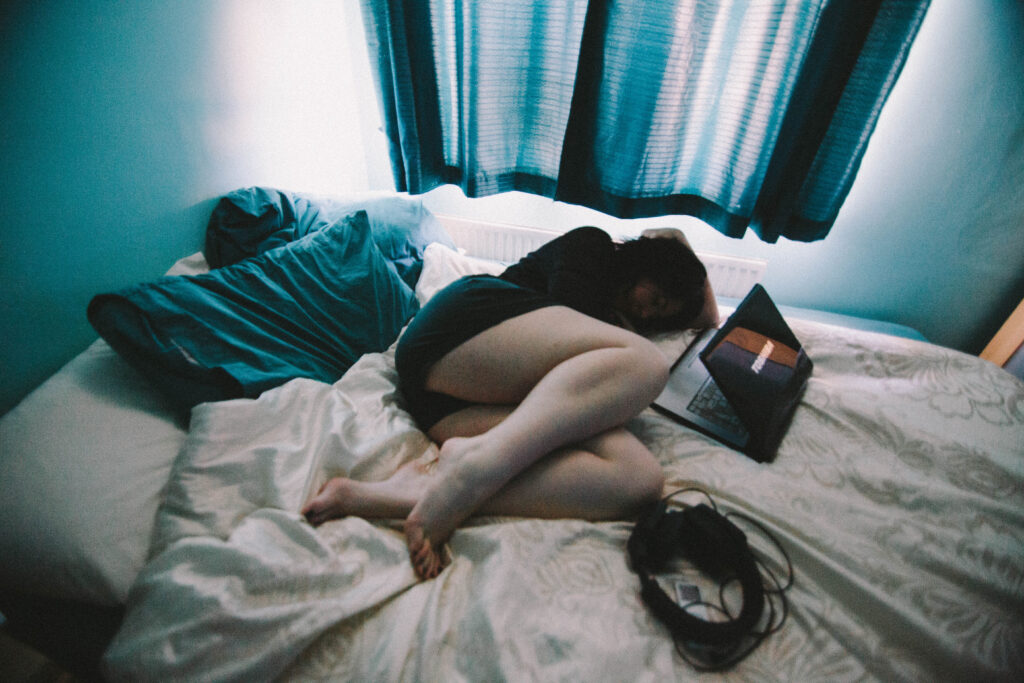
Healing
- Show the small thing you managed to do today.
- Photograph the wound and the scar, the before and after.
- Show yourself letting something go/releasing it.
- Capture softness amongst hardness.
- Photograph yourself looking forward with the past behind you.
Identity
- Show the different faces you wear for different people.
- Photograph yourself half in costume, half out.
- Capture the labels others put on you versus who you actually are.
- Show the version of you that exists online versus in person.
- Photograph yourself with a mask.
- Show yourself reclaiming something that was taken from your identity.
Parenthood
- Photograph yourself disappearing into the role.
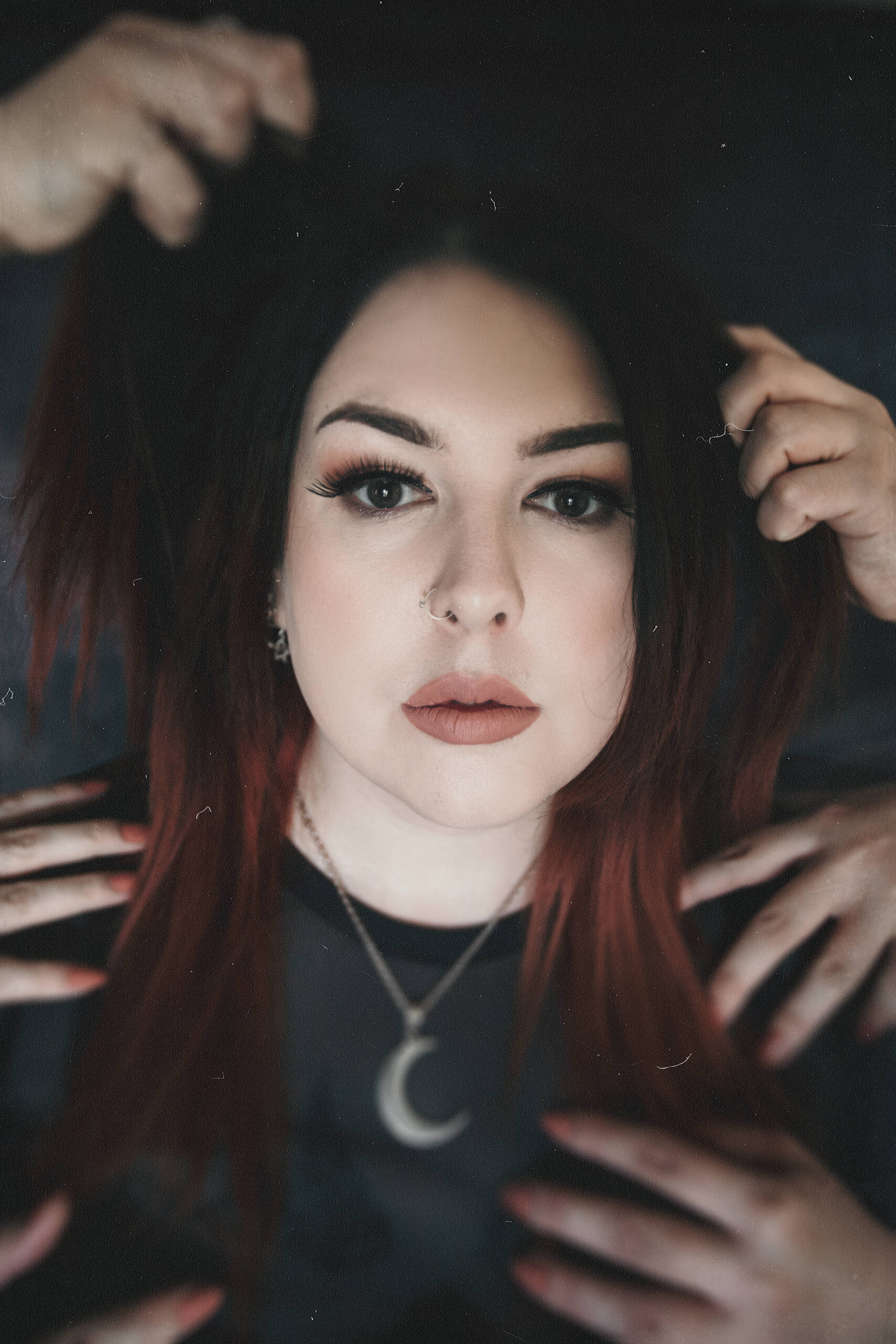
- Show the touched-out feeling, too many hands on you.
- Capture the fierce protection.
- Photograph the exhaustion and the tenderness in the same frame.
Aging
- Show yourself alongside photos of your younger self.
- Capture the freedom that comes with caring less.
- Show the invisibility that comes with getting older.
- Photograph yourself claiming space.
- Show what strength looks like now versus then.
Body Image
- Photograph the part of yourself you’ve made peace with.
- Photograph the mirror and your relationship with it.
- Show what your body can do rather than how it looks.
Relationships
- Show a fractured relationship.
- Capture the realities of dating in modern society.
- Photograph attachment styles.
Final Thoughts on Conceptual Self Portrait Photography
Self portraits don’t have to be selfies. They can tap into something raw and thought-provoking. Conceptual self portraits are an incredible way to push your creativity and make photos that resonate on a deeper level.
They force you to think about storytelling, symbolism, and emotion, and they help you develop a unique artistic voice.
Here are some faceless self portrait photography tips if you’d rather not have your face in the frame.