If you’re bored of the same old photography tips like “use the rule of thirds” or “always shoot in manual mode,” you’re in for a treat because I’m about to give you 10 photography tips that will get you thinking outside the box.
Yes, learning the super basics is important and necessary but there is more to photography than just being able to make a technically good photo.
Let’s go beyond that.
I want these ideas to inspire you to push your creative boundaries.
I want you to learn how to be a great photographer, who knows how to see things with a photographer’s eye and knows how to compose their images in unique and creative ways.
Why Are These 10 Photography Tips Different?
This is about taking your photos to the next level.
These 10 out-of-the-box photography tips focus on creativity, perspective, and mindset rather than just technical settings.
If you implementing these tips, I guarantee you’ll unlock a whole new way of approaching photography that will get you ahead of the game.
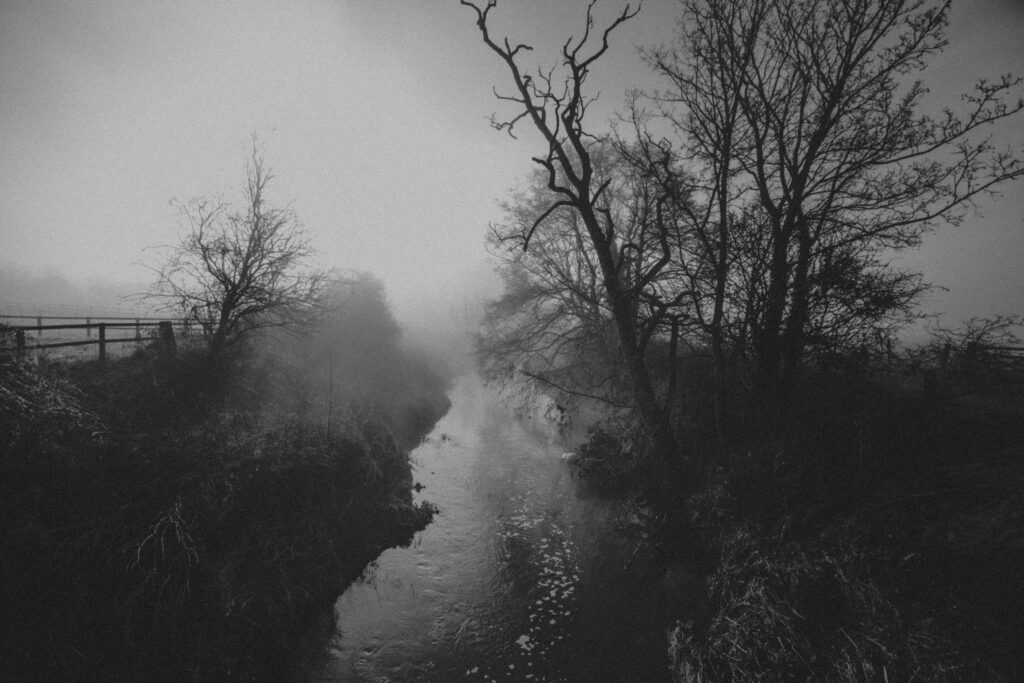
10 Photography Tips That Aren’t Boring
1. Flip Your Perspective
Sometimes, the most ordinary subjects can become extraordinary when viewed from an unusual angle.
Lie on the ground and shoot upward, or climb up high and shoot downward.
Better yet, invest in a small mirror and capture reflections or shoot through different material and fabric.
Changing your perspective can make anything look intriguing.
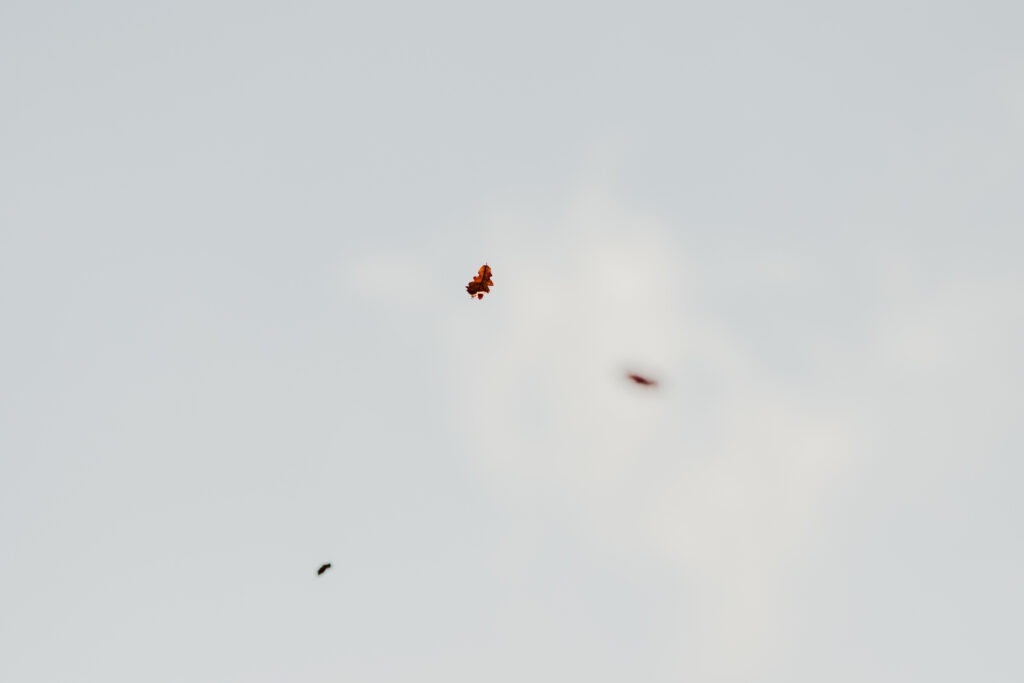
2. Limit Yourself to One Lens for a Month
Gear can be overwhelming, but growth comes from challenges.
Choose one lens (even if it’s just your kit lens) and stick with it for a month.
A prime lens like a 50mm is my favourite for this exercise, as it will make you focus on composition and framing instead of relying on zoom.
Basically if you use a prime lens, you will learn to zoom with your feet. If you use a kit lens or a telephoto zoom lens, you will still be limited to the focal length of that lens.
The best part of this challenge, is that you will really learn to work with that particular lens and learn all of it’s capabilities.
At the same time, it will also force you to view things in a different perspective and push yourself to compose your images more creatively.
It may even encourage you to learn one particular subject, especially if you’re using a macro lens for the challenge.
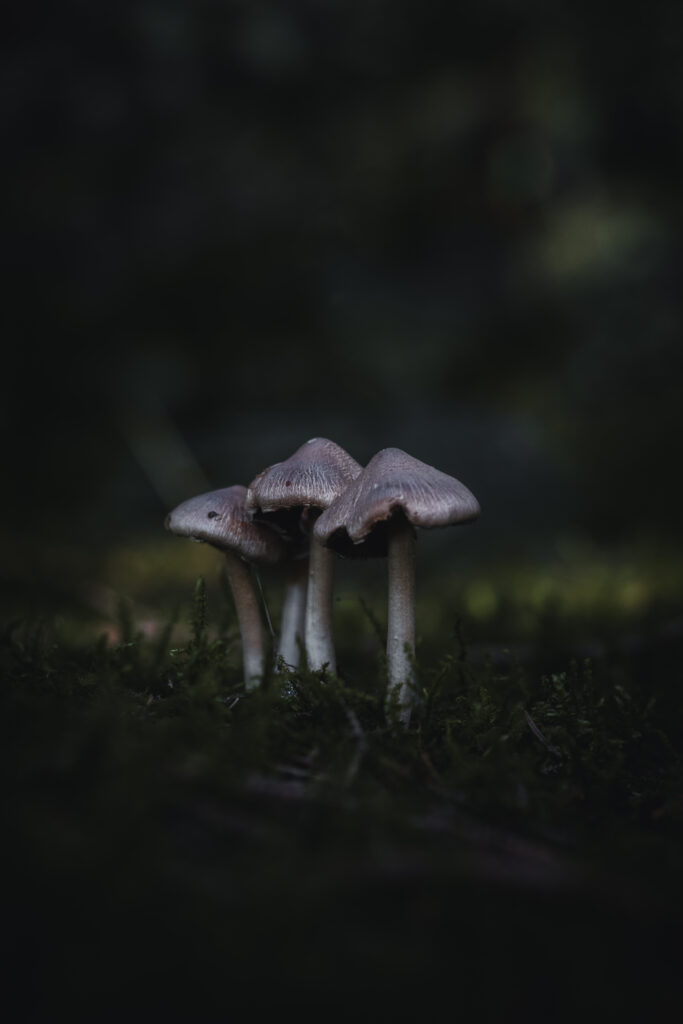
3. Use Negative Space
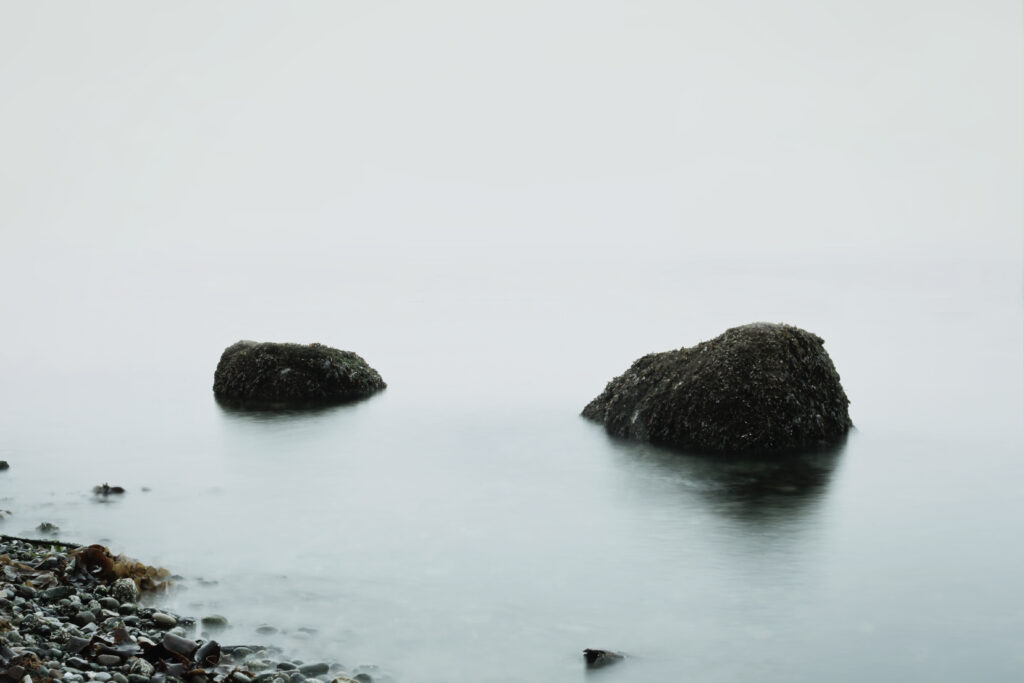
Negative space isn’t just background that needs to be cropped; It’s also a powerful compositional tool.
Instead of focusing solely on your subject, look at the empty spaces around it.
For example, a lone tree in an empty field or a person walking by a graffiti wall. How can you use the negative space?
By embracing minimalism, you can create striking and emotional images and you also learn to compose your pictures differently.
This skill comes in really handy if you end up doing branding or marketing photography, as these photographs often need more negative space for text.
4. Turn Your Weakness Into a Strength
What’s the one thing you struggle with the most in photography?
Maybe it’s low light, long-exposure photos, or photographing people.
Whatever your pain point in photography is, dedicate an entire week (or longer if you need) to tackling that challenge head-on.
If you’re interested in street photography but you’re a little nervous, perhaps take your camera to an event where you can fade into the background.
Then next time, take your camera to a market day.
Eventually you will be confident enough to go out and do street photography like it’s second nature.
Facing your fears will make you a more well-rounded photographer but taking small steps is the key. You don’t want to overwhelm yourself on the first go because you risk putting it off the next time.

5. Shoot Without Looking Through the Viewfinder
This might sound wild, but hear me out.
Sometimes ditching the viewfinder or the LCD screen can help you create bonus pictures you wouldn’t have created otherwise.
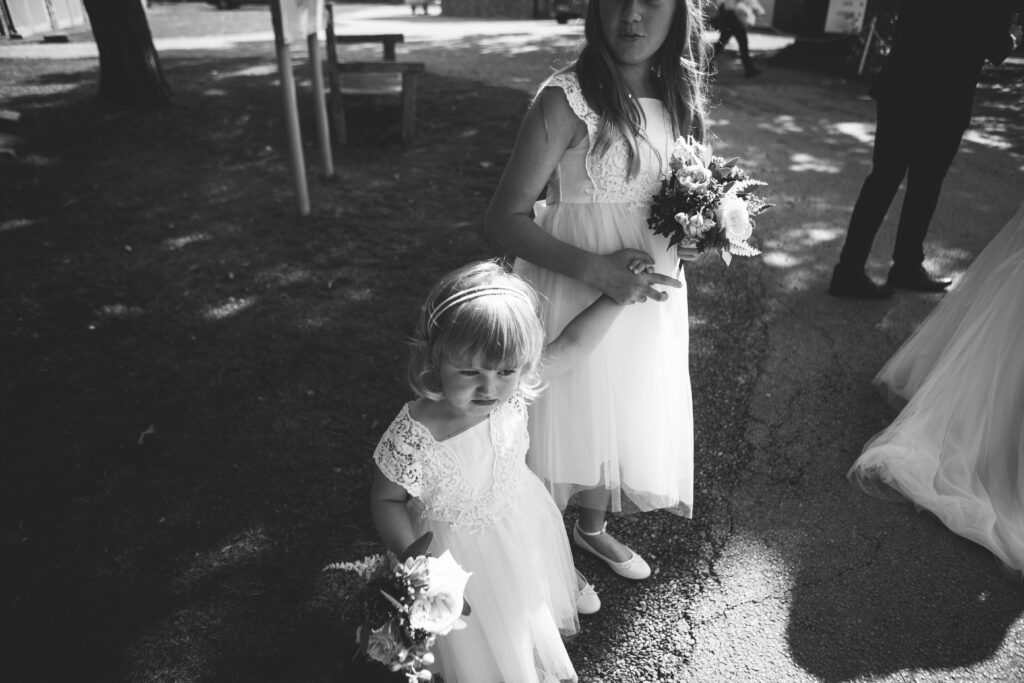
Hold your camera at hip level or over your head and shoot without looking. This is especially fun for street photography, as it allows you to capture candid, unposed moments.
I even know a lot of wedding photographers who “shoot from the hip” during certain moments of the day because it helps them get candid shots without being obtrusive.
I have even done it myself at weddings many times. Okay, sometimes accidentally but it still counts!
And sure, not every shot will work, but the ones that do will surprise you.
6. Use Light as the Subject
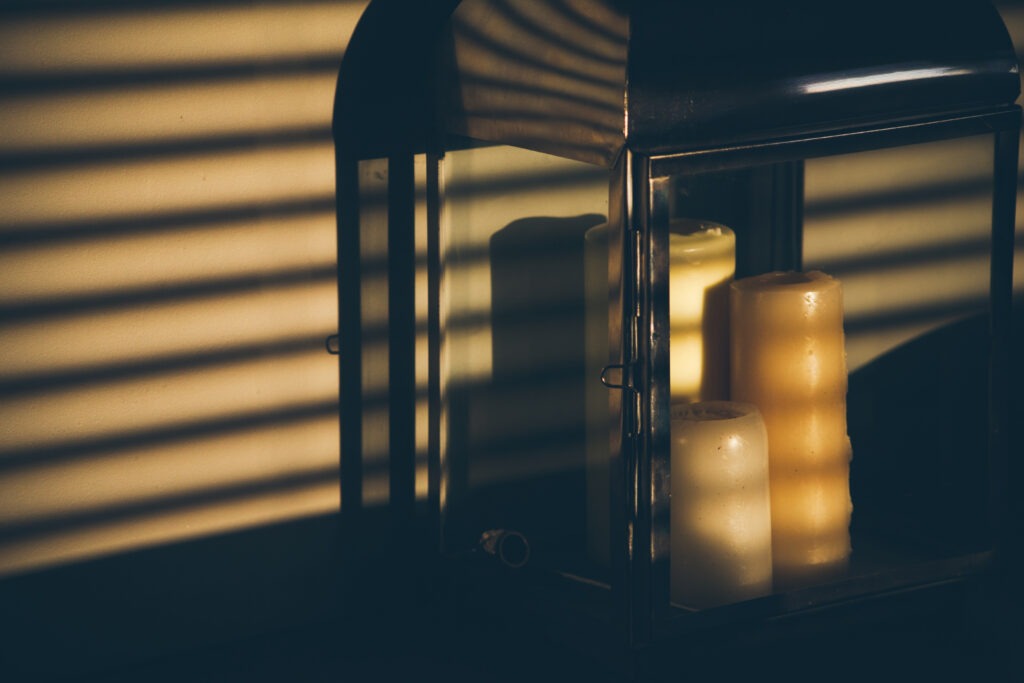
Instead of treating light as a tool for your subject, make it your actual subject.
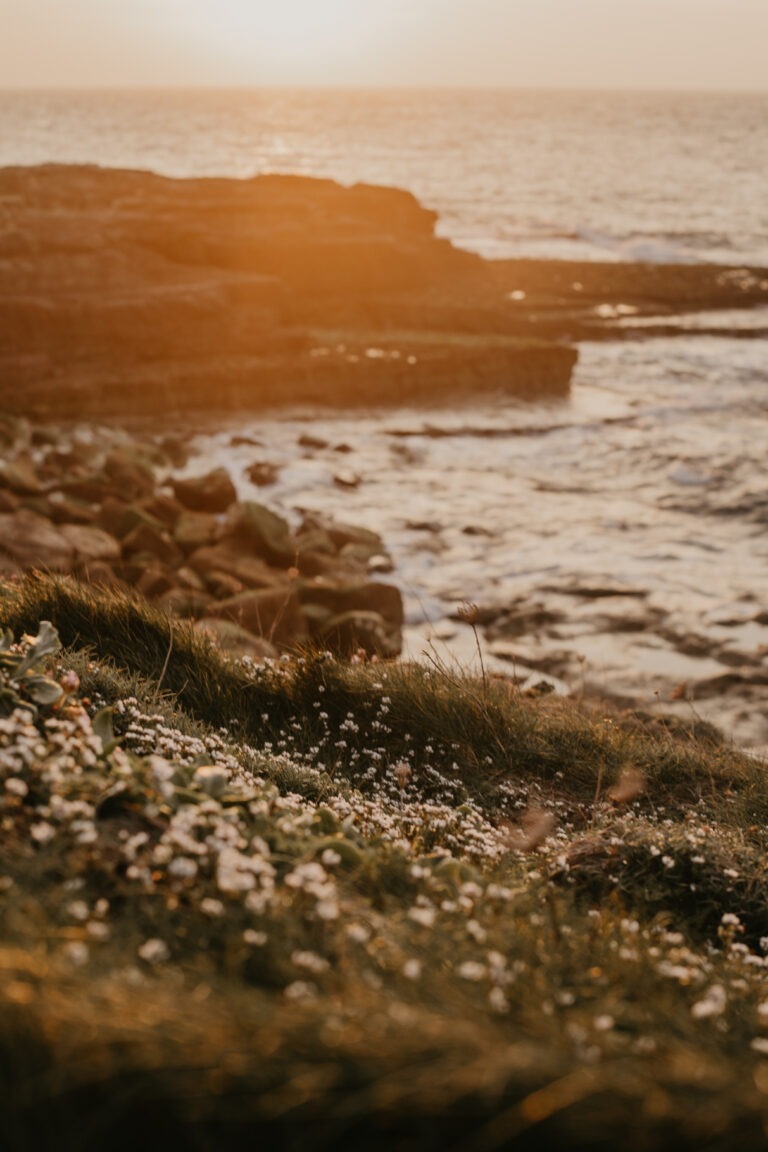
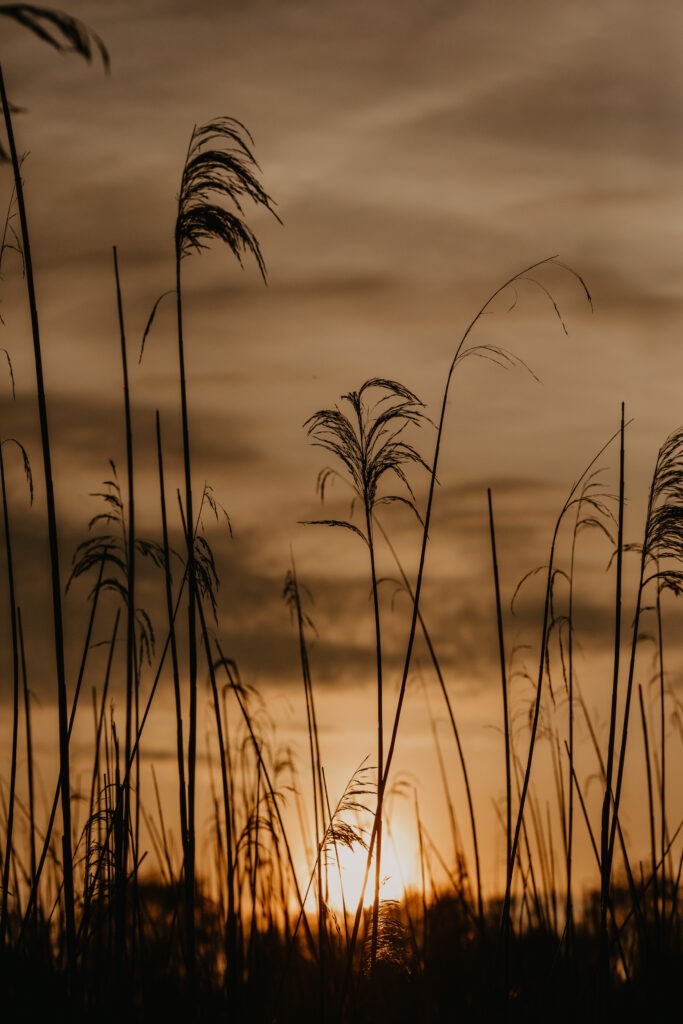
Chase golden hour, photograph sun flares, or look for unusual light patterns filtering through windows. Dreamy stuff like that.
Experimenting with harsh light for example, will definitely sharpen your skills, as harsh light is something many photographers avoid. Imagine if you become so comfortable with it that it doesn’t scare you off?
Thinking of light as your main subject can completely shift your approach.

7. Make Mistakes on Purpose
Who says blurry photos are bad?
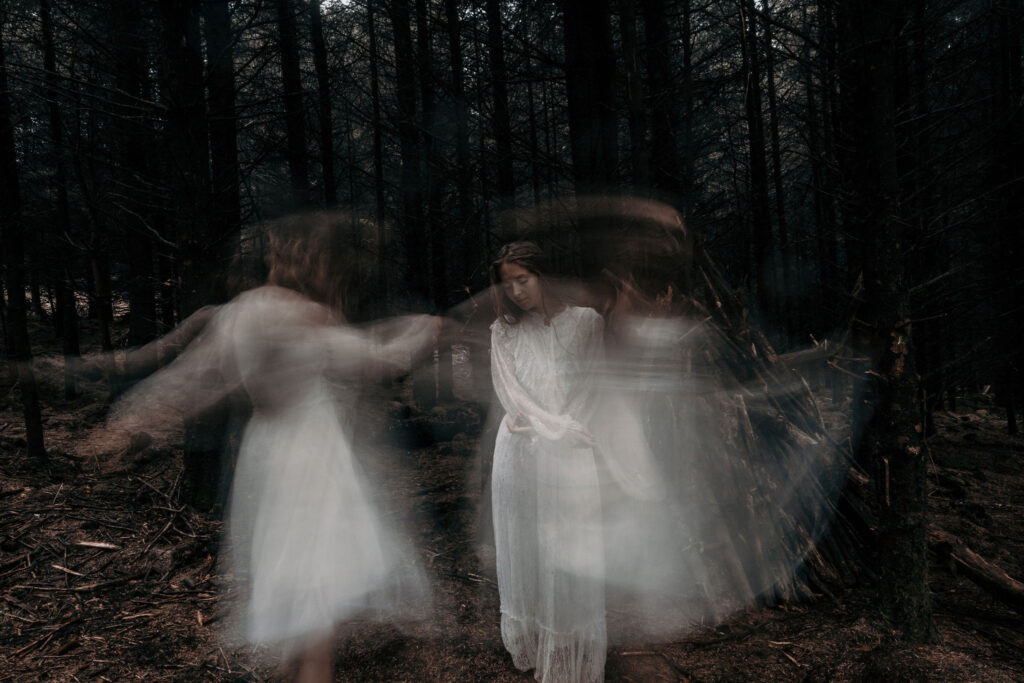
In fact, they are becoming very trendy right now in the wedding photography industry and even I purposefully use blue in images for my horror photography business.
Deliberately breaking the photography “rules” can result in some pretty cool artistic shots. I would highly recommend having a good understanding of photography basics before you break the rules because at least you have a base to start with.
Try intentional camera movement (ICM) by moving your camera during a long exposure or play with extreme underexposure for moodiness.
Imperfection can be powerful if you you do it intentionally.
8. Photograph the Same Spot for a Year
Pick a location like your favourite building, a local park, or even a single tree and photograph it throughout the year.
This long-term project helps you notice subtle changes in light, weather, and seasons. This helps you for any future planning, as you already have a good grasp on what to expect from different conditions.
It’s also a wonderful way to improve your observational skills and develop a personal connection with your subject.
Also, imagine how valuable those images will be in terms of history, especially if your location is a landmark and local to you.


9. Find Beauty in the Mundane
You don’t need exotic locations or supermodels to create stunning photos.
Look around your home or local town for everyday things that tell a story.
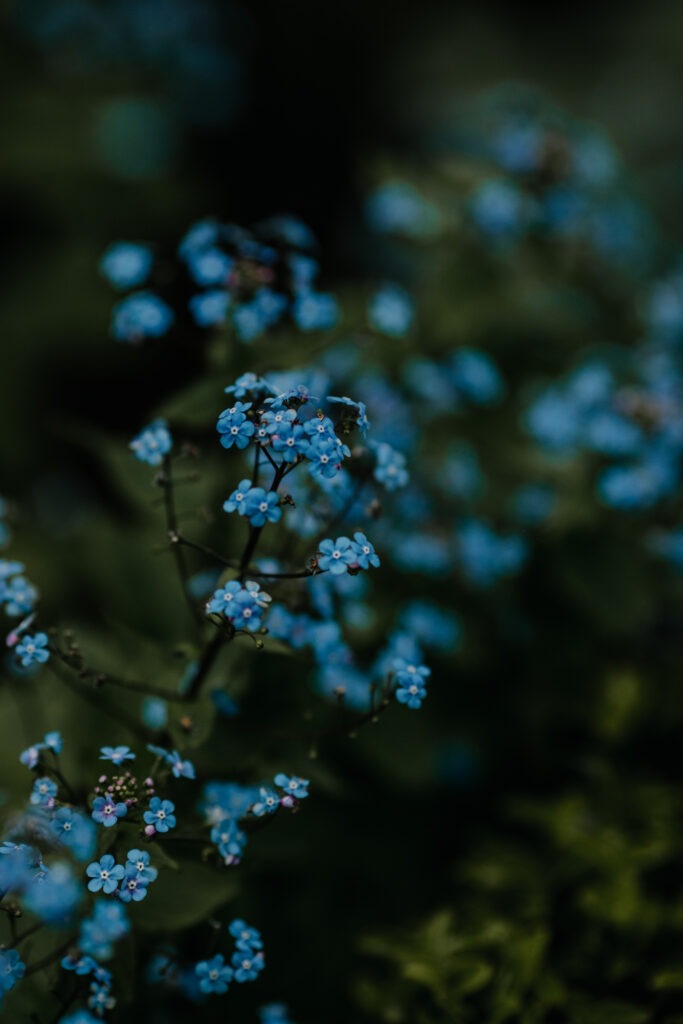
A lonely park bench, a household item, or the way sunlight hits your curtains can all become subjects when viewed creatively.
Learning to see beauty in the ordinary sharpens your artistic vision.
10. Think of a Story First, Then Take the Shot
Instead of snapping random pictures or taking photos of what’s in front of you, think of the story you want to tell first.
Is it about loneliness, joy, or nostalgia? Let that emotion guide your subject and then the mood you create with lighting, composition and even styling.
This storytelling approach adds more meaning to your photos, making them more impactful and memorable.

Additional Tips to Push Your Creativity Further
- Collaborate With Other Artists: Work with painters, writers, or musicians to create projects that combine your skills.
- Print Your Photos: Seeing your work in print changes how you view it and helps you spot areas for improvement.
- Try a Photo Challenge: Refine your skills with a 52 week photo challenge.
What are the best photography tips for improving your skills?
The best photography tips go beyond the basics like composition and camera settings. To truly improve, try unique approaches such as shooting from unconventional angles, limiting yourself to one lens, or focusing on storytelling. Embrace imperfections, experiment with light as your subject, and take on long-term projects like photographing the same location throughout the year. These 10 photography tips will help you see the world differently and capture more impactful photos.
Why These 10 Photography Tips Matter
Photography is more than technical perfection. It’s also about perspective, storytelling, and creativity. By trying these unique 10 photography tips, you’ll grow as a photographer and discover a deeper connection to your craft.
Which of these 10 photography tips will you try first? Let me know in the comments!